
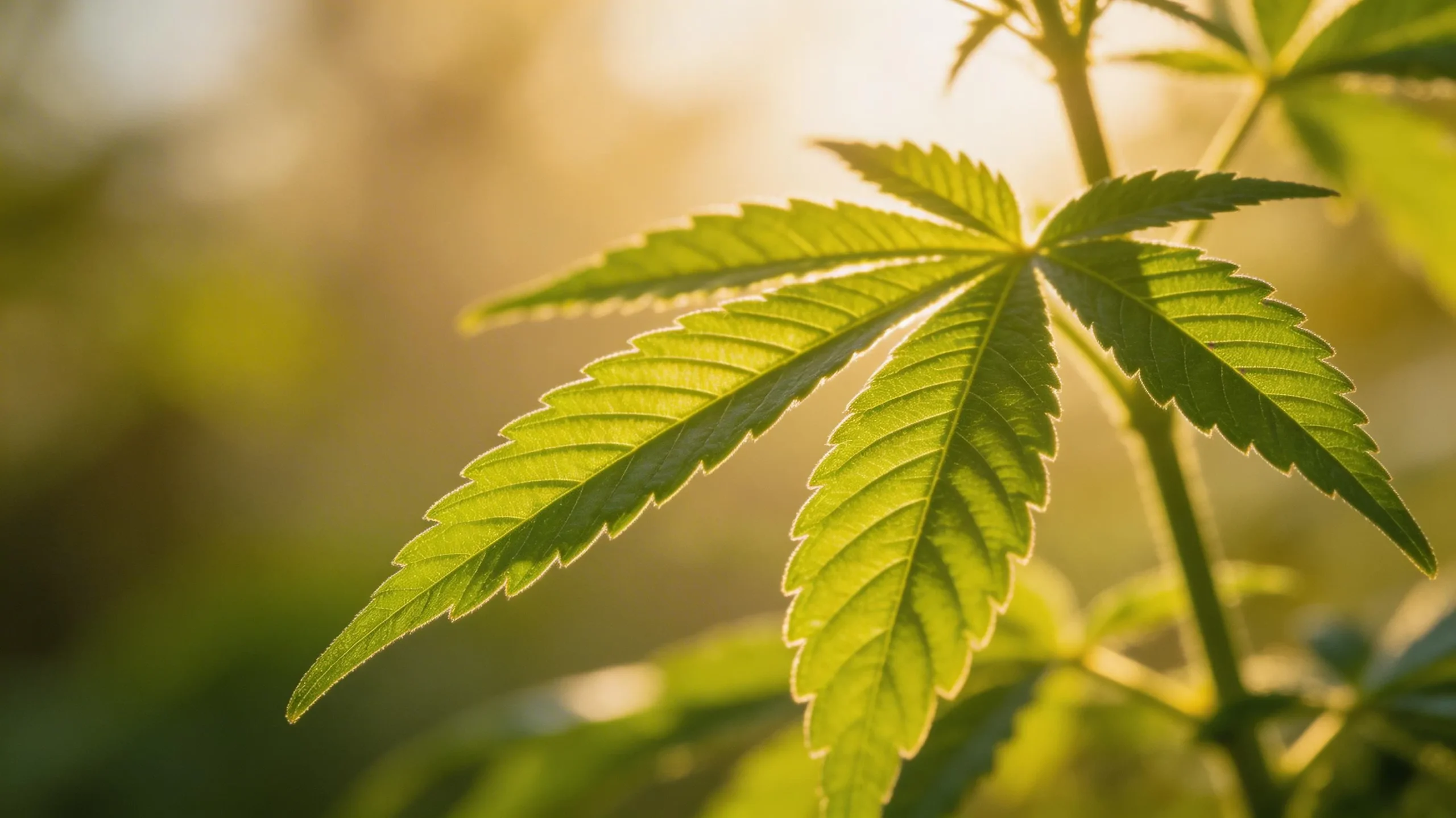
The UAE now has a federal legal framework for industrial and medical uses of hemp. That is an important step because it gives businesses, regulators, and residents a clearer starting point than before.
But one question still comes up often: are hemp regulations Dubai vs Abu Dhabi actually different?
The simple answer is: the core hemp law is the same across Dubai, Abu Dhabi, Sharjah, and every other emirate. What can differ is how local authorities implement that federal framework, how business approvals are handled, and how visible or practical the legal hemp space feels in each emirate.
Are Hemp Regulations Different in Dubai vs Abu Dhabi?
No, Dubai and Abu Dhabi do not have separate hemp laws that override UAE federal law.
Federal Decree-Law No. 24 of 2025 regulates industrial and medical uses of industrial hemp across the UAE. It applies to activities carried out in the country, including free zones. The law covers import, export, cultivation, transport, manufacturing, and circulation of industrial hemp products.That means the big legal rules are the same everywhere:
- The federal industrial hemp definition is based on a 0.3% total THC limit on a dry-weight basis.
- Food products and food supplements made from industrial hemp are restricted, except specific processed non-viable seed exceptions.
- Ordinary consumer CBD products are not treated as freely available wellness products.
- Hemp activities require licensing and approvals.
- Free zone status does not remove federal hemp compliance obligations.
- Each emirate can still restrict certain industrial hemp activities within its own territory.
The UAE government’s own summary of the law also confirms that the decree applies to hemp-related activities across the UAE, including free zones, and that each emirate may restrict or prohibit activities within its jurisdiction.
So the better question is not, “Is hemp legal in Dubai but illegal in Abu Dhabi?”
The better question is: how will Dubai, Abu Dhabi, and Sharjah each implement the same federal hemp framework in practice?
What is the same across all the UAE Emirates?
For residents, travellers, and consumers, the most important point is uniformity.
Dubai cannot allow a product that federal law prohibits. Abu Dhabi cannot create a separate consumer CBD market. Sharjah cannot create a looser hemp rule for products that are restricted nationally.
Under the federal decree, industrial hemp is defined as Cannabis Sativa, or any part, derivative, or extract of it, where total THC in the flowering heads and leaves does not exceed 0.3% on a dry-weight basis. The calculation must also account for the potential conversion of THCa into Delta-9 THC.
The decree also lists several restricted product categories. It prohibits the import or manufacture of industrial hemp food products, food supplements, veterinary products, smoking products, and certain cosmetic products, subject to stated exceptions and Cabinet decisions.
In practical terms, the following points apply across Dubai, Abu Dhabi, Sharjah, and the other emirates:
| Area | UAE-Wide Position |
|---|---|
| Federal hemp law | Same across all emirates |
| THC threshold | 0.3% total THC on dry-weight basis |
| Consumer CBD | Not permitted as an ordinary consumer wellness product |
| Hemp food supplements | Prohibited under the federal framework |
| Hemp seed/stem oil cosmetics | Possible only within the permitted cosmetic exceptions |
| Business licensing | Required for regulated hemp activities |
| Free zones | Still subject to federal hemp law |
| Local restrictions | Each emirate may restrict or prohibit certain activities |
This is the key legal foundation behind hemp regulations Dubai vs Abu Dhabi: the law is federal first, local second.
What Can Differ by Emirate?
The differences between Dubai, Abu Dhabi, and Sharjah are mostly practical, not fundamental.
They can include:
- Local authority approvals
Hemp businesses may need approvals from the relevant local authority in the emirate where they operate. - Designated cultivation zones
The federal law gives the concerned local authority a role in determining designated cultivation areas, which must be fenced, monitored, protected, and kept away from residential and other agricultural areas. - Transport approvals
Transporting industrial hemp seeds and seedlings requires approval from the concerned local authority. If transport crosses more than one emirate, approval is required from each concerned local authority. - Manufacturing and import/export processes
Manufacturing requires local authority licensing after approval from the Ministry of Industry and Advanced Technology. Importing industrial hemp products also requires federal-level permit requirements and local authority approvals. - Business environment
Dubai, Abu Dhabi, and Sharjah have different free zones, customs infrastructure, healthcare systems, and commercial cultures. - Public-facing sensitivity
Sharjah’s more conservative social environment may affect how hemp-related businesses communicate, market, and position themselves, even though the law itself remains federal.
Dubai vs Abu Dhabi vs Sharjah: Quick Comparison
| Emirate | What Stays the Same | What May Differ in Practice |
|---|---|---|
| Dubai | Federal hemp law, THC limit, product restrictions, licensing rules | Strong retail, customs, logistics, free zone, and compliance infrastructure |
| Abu Dhabi | Same federal hemp law and restrictions | Strong institutional, healthcare, policy, and investment environment |
| Sharjah | Same federal hemp law and restrictions | More conservative public-facing environment and potentially more cautious local implementation |
Dubai: Commercial Infrastructure and Early Hemp Seed Oil Clarity
Dubai has played an important role in the UAE’s public understanding of hemp-derived ingredients, especially hemp seed oil in cosmetics.
In January 2019, Dubai Municipality clarified that hemp seed oil used in cosmetics and care products did not have narcotic properties when extracted by pressing hemp seeds, similar to olive oil or coconut oil. Khaleej Times reported the Municipality’s clarification at the time. Gulf News also reported that Dubai Municipality confirmed the sale and purchase of hemp seed oil in some cosmetics and healthcare products, while distinguishing hemp seed oil from CBD oil.
This matters because Dubai helped normalize a distinction that is still important today: hemp seed oil is not the same as CBD oil or cannabis extract.
For businesses, Dubai also has clear practical advantages:
- Jebel Ali and Dubai’s logistics network
- Dubai Customs infrastructure
- Free zones such as JAFZA and DMCC
- A developed legal, compliance, and advisory ecosystem
- Strong beauty, wellness, and retail markets
- International business connectivity
However, Dubai’s business strength does not change the legal limits. Dubai cannot independently legalize consumer CBD, hemp supplements, or products prohibited under federal law.
For hemp businesses, Dubai may be attractive because of infrastructure and commercial depth, not because the law is looser.
Abu Dhabi: Institutional Strength and Federal Proximity
Abu Dhabi’s hemp environment is different from Dubai’s. It is less about early retail visibility and more about institutional structure.
As the UAE capital, Abu Dhabi is closely connected to federal decision-making. Many federal ministries and national authorities are based there, which matters for any heavily regulated sector.
For hemp businesses, Abu Dhabi may be especially relevant for:
- Medical and pharmaceutical pathways
- Healthcare-related hemp regulation
- Investment structures
- Industrial development
- Government-facing regulatory engagement
- ADGM-based legal and investment structures
The federal decree states that medical products containing industrial hemp compounds or raw materials extracted from industrial hemp are regulated under the UAE’s medical products and pharmaceutical establishments framework. This makes Abu Dhabi’s healthcare and institutional environment important, especially for businesses looking at legally authorized medical hemp products rather than consumer wellness products.
Still, the same warning applies: Abu Dhabi does not create a separate consumer CBD market. The federal restrictions apply in the capital just as they apply in Dubai.
Sharjah: Same Law, More Conservative Context
Sharjah follows the same federal hemp law as Dubai and Abu Dhabi. There is no separate Sharjah rule that makes prohibited hemp products legal, and there is no exemption from the federal framework.
That said, Sharjah’s public-facing environment is different.
Sharjah is generally known for a more conservative social and regulatory culture than Dubai. For hemp, this matters less as a legal difference and more as a practical business and communication issue.
A hemp business operating in Sharjah would need to be especially careful with:
- Product descriptions
- Advertising language
- Use of the word “cannabis”
- Public-facing wellness claims
- Consumer education
- Local authority engagement
The federal law also restricts advertising and promotion of industrial hemp products unless approval is obtained from the licensing authority and the relevant media-regulation authorities. That makes careful marketing important across the UAE, but especially in more conservative environments.
For residents in Sharjah, the legal message is simple: permitted hemp seed or stem oil cosmetics may be treated under the national framework, but consumer CBD, hemp supplements, hemp smoking products, and unlicensed hemp items remain restricted in the same way they are elsewhere in the UAE.
What About Ras Al Khaimah, Ajman, Fujairah, and Umm Al Quwain?
The northern emirates follow the same federal hemp law.
The difference is practical infrastructure. Some emirates may offer lower business setup costs, specific free zone advantages, or industrial facilities. But no emirate can bypass the federal law.
For example, a business considering Ras Al Khaimah or Fujairah would still need to check:
- Whether the activity is federally permitted
- Whether the product category is allowed
- Whether local authority approvals are available
- Whether the free zone can license the activity
- Whether customs, storage, testing, and tracking obligations can be met
- Whether transport approvals are needed between emirates
At this stage, claims about which emirate is “best” for hemp cultivation should be treated carefully unless supported by specific agronomy studies, local regulations, and official cultivation-zone designations.
Business Implications: Choosing an Emirate for Hemp Operations
For businesses, hemp regulations Dubai vs Abu Dhabi is not really a question of which emirate is more legally permissive. It is a question of which emirate is more suitable for the business model.
Dubai may suit businesses focused on:
- Trading and distribution
- Cosmetics and permitted consumer products
- Logistics-heavy operations
- International supply chains
- Compliance-heavy import/export structures
- Retail-facing brand activity
Abu Dhabi may suit businesses focused on:
- Medical or pharmaceutical pathways
- Healthcare partnerships
- Investment holding structures
- Industrial policy alignment
- Federal regulatory engagement
- Institutional partnerships
Sharjah may suit businesses that:
- Need industrial or free zone infrastructure
- Can operate with a careful, low-risk communication style
- Are not dependent on aggressive consumer-facing hemp marketing
- Have strong legal and compliance support
The right choice depends on the activity. A permitted cosmetics distributor, an industrial materials manufacturer, and a medical product company may all choose different emirates for valid reasons.
Consumer Implications: What Residents Should Know
For everyday residents, the emirate-by-emirate differences are much smaller.
Whether you live in Dubai, Abu Dhabi, Sharjah, or another emirate, the same basic rules apply.
Hemp seed oil cosmetics may be available in the UAE when they fall within the permitted category. But CBD oils, hemp supplements, hemp gummies, smoking products, and cannabis-derived wellness products should not be treated as legal simply because they are sold legally in another country.
This is especially important for travellers. A product that is legal in the UK, Europe, Canada, Thailand, or parts of the United States may still create legal risk in the UAE.
The safest rule is simple: do not bring hemp, CBD, THC, cannabis extract, hemp supplement, or hemp food products into the UAE unless you have verified their legal status through official UAE channels and qualified legal advice.
Are Free Zones Different?
No. Free zones do not create a separate hemp legal system.
The federal decree applies to industrial hemp activities practiced in the UAE, including free zones. This means a business in JAFZA, DMCC, ADGM, RAKEZ, Sharjah Airport International Free Zone, or another free zone still needs to comply with the federal framework and any relevant local approvals.
Free zones can affect business setup, cost, facilities, and commercial convenience. They do not legalize prohibited products.
Conclusion
Hemp rules in Dubai, Abu Dhabi, and Sharjah start from the same federal law.
The differences are not about one emirate allowing CBD while another bans it. The differences are about local approvals, business infrastructure, licensing pathways, commercial culture, and implementation speed.
For consumers, the message is straightforward: the legal position is essentially the same across the UAE.
For businesses, the emirate matters a lot, not because the federal law changes, but because the local operating environment does.
Legal Disclaimer
This article is for general informational purposes only and does not constitute legal advice. UAE hemp regulation involves federal law, local authority approvals, executive regulations, Cabinet decisions, customs rules, medical product laws, and enforcement practices that may change over time.
Before importing, selling, manufacturing, transporting, marketing, prescribing, or using any hemp-related product in the UAE, seek advice from a qualified UAE lawyer or the relevant UAE authority.
Are hemp regulations different in Dubai vs Abu Dhabi?
The core law is the same. Dubai and Abu Dhabi both follow UAE federal hemp law. The differences are mainly in local authority approvals, business infrastructure, healthcare systems, free zones, and practical implementation.
Is CBD legal in Dubai but not Abu Dhabi?
No. Ordinary consumer CBD products are not freely legal in either Dubai or Abu Dhabi. CBD and cannabis-derived products remain tightly controlled under UAE law.
Is hemp seed oil legal in Dubai?
Hemp seed oil used in cosmetics has been publicly clarified by Dubai Municipality as different from narcotic cannabis products when extracted from hemp seeds. UAE federal law also creates limited exceptions for certain seed or stem oil cosmetic products, subject to strict conditions.
Is hemp seed oil legal in Sharjah?
Sharjah follows the same UAE federal framework. Hemp seed or stem oil cosmetics may be permitted if they fall within the allowed category, but CBD, hemp supplements, smoking products, and prohibited hemp-derived items are not made legal by being in Sharjah.
Can a hemp business operate in a UAE free zone?
Potentially, but only if the activity and product category are permitted and the business obtains all required federal, local, and free zone approvals. Free zone status does not exempt a company from UAE hemp law.
Can hemp seeds or seedlings be transported between emirates?
Only with the required approvals. The federal law states that if industrial hemp seeds or seedlings are transported across more than one emirate, approval must be obtained from each concerned local authority.
Which emirate is best for a hemp business?
Dubai may be strongest for trade, logistics, and retail infrastructure. Abu Dhabi may be stronger for medical, institutional, and investment-related structures. Sharjah may require more careful positioning because of its more conservative public-facing environment. The right emirate depends on the licensed activity and product type.
External Source
https://uaelegislation.gov.ae/en/legislations/3886/download
https://uaelegislation.gov.ae/en
https://www.khaleejtimes.com/uae/is-using-this-oil-prohibited-in-dubai-municipality-clarifies
https://dha.gov.ae/en/MedicalEducationandResearch/DubaiResidencyTrainingProgram
Leave a Reply