
Short Answer
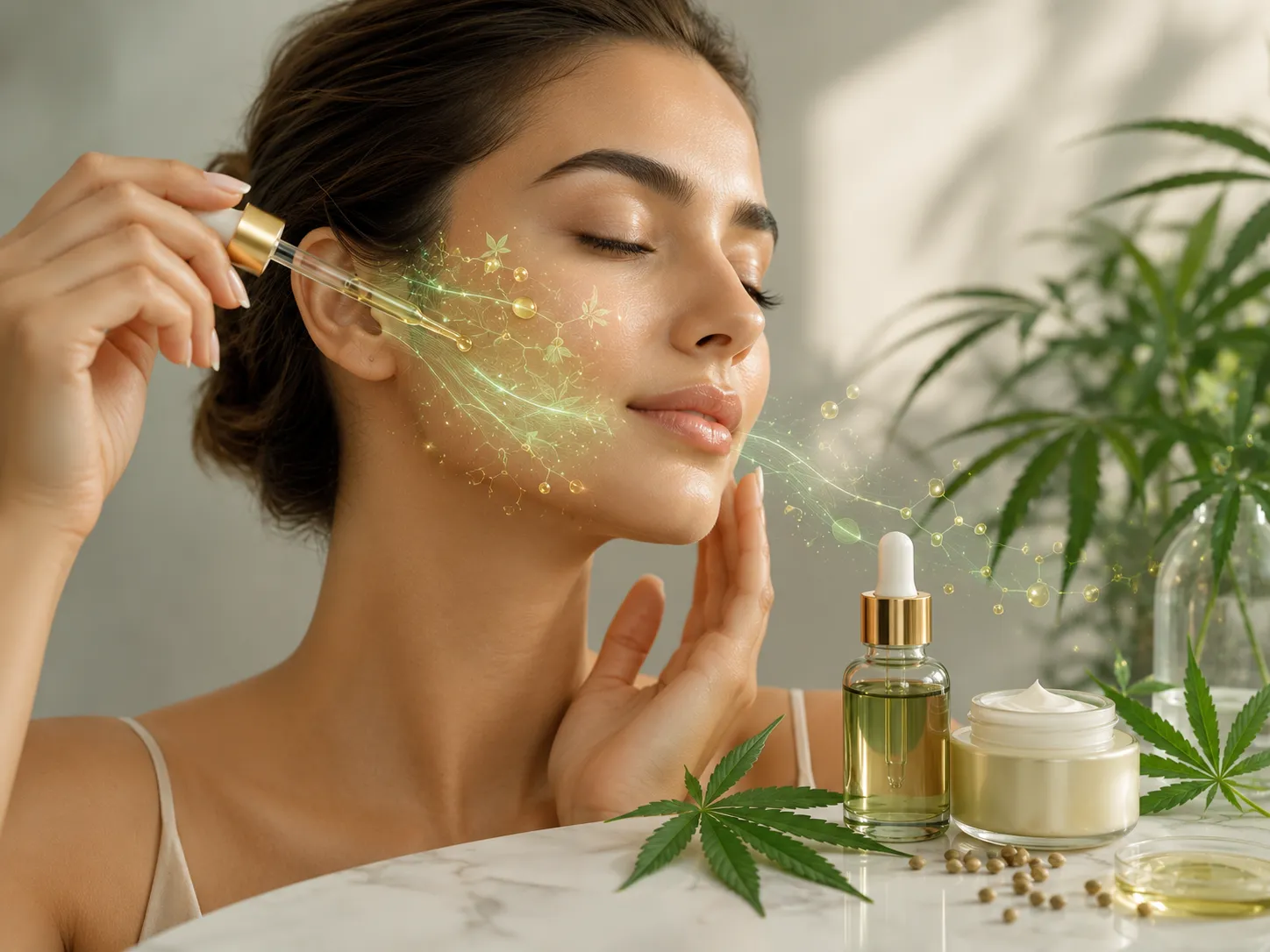
Hemp skincare UAE benefits mostly relate to hemp seed oil, not CBD oil. Hemp seed oil is rich in fatty acids that may support the skin barrier, hydration, and comfort in hot climates. CBD skincare evidence is still developing and UAE legality must be checked carefully. This is not medical advice or guaranteed treatment.
Hemp skincare has become popular with people looking for lightweight, plant-based support for dry, stressed, or heat-exposed skin. In the UAE, interest is especially strong because the climate can be tough on the skin: intense sun exposure, humidity, air-conditioning, sweat, and frequent cleansing can all leave skin feeling dry, oily, irritated, or unbalanced.
But there is one important point to understand first: hemp seed oil and CBD oil are not the same thing.
For most UAE skincare shoppers, the more relevant and legally safer ingredient to understand is usually hemp seed oil, which is pressed from hemp seeds and is valued for its fatty-acid profile. CBD oil, on the other hand, contains cannabidiol extracted from the plant and is subject to much stricter legal and regulatory concerns in the UAE.
This guide explains the real hemp skincare UAE benefits, what the science suggests, what remains unproven, and how to choose products carefully.
What Is Hemp Skincare?
Hemp skincare usually refers to creams, lotions, facial oils, balms, cleansers, or body products that contain ingredients derived from the hemp plant.
However, “hemp” on a label can mean different things:
Hemp Seed Oil
Hemp seed oil is pressed from the seeds of Cannabis sativa. It does not naturally contain meaningful CBD or THC when properly produced from seeds alone. In skincare, it is mainly used as a moisturizing botanical oil rich in polyunsaturated fatty acids.
CBD Oil
CBD oil contains cannabidiol, a cannabinoid usually extracted from hemp flowers, leaves, or aerial plant parts. CBD is being studied for skin-related uses, but the evidence is still developing and product legality varies widely by country. Reviews describe topical CBD as promising in dermatology, but also note challenges such as skin penetration, formulation quality, and the need for stronger human clinical trials.
Hemp Extract
“Hemp extract” is a broad term. It may contain cannabinoids, terpenes, and other plant compounds depending on how it is made. In the UAE, this term should be treated carefully because it may indicate cannabinoid-containing ingredients rather than simple hemp seed oil.
Hemp Seed Oil vs CBD Oil for Skin
| Feature | Hemp Seed Oil | CBD Oil |
|---|---|---|
| Source | Hemp seeds | Usually hemp leaves, flowers, or aerial parts |
| Main skincare role | Moisturizing, barrier support, fatty-acid nourishment | Studied for inflammation, irritation, sebum, itch, and skin conditions |
| Contains CBD? | Usually no meaningful CBD if seed-derived | Yes |
| Causes a high? | No | CBD is non-intoxicating, but legality depends on jurisdiction |
| UAE concern | Seed/stalk oil cosmetics may be treated differently under law | CBD cosmetics and personal CBD use require strict caution |
| Evidence level | Good ingredient logic for barrier support; limited condition-specific claims | Early and developing dermatology evidence |
For UAE readers, this distinction matters. The UAE’s industrial hemp framework states that cosmetics containing industrial hemp are prohibited except for those containing oils extracted from industrial hemp seeds or stalks and other Cabinet-determined exceptions. The same official UAE summary also says personal or recreational use of industrial hemp is prohibited, and that medical hemp products are subject to medical product regulation.
Why UAE Skin May Benefit From Barrier-Supportive Skincare
Dubai and the wider UAE create a unique skincare environment. Your skin may be exposed to strong sunlight outdoors, humidity near the coast, sweat, dust, and then dry indoor air-conditioning for long hours. This combination can make the skin feel oily and dehydrated at the same time.
A healthy skin barrier helps reduce water loss and supports comfort. Transepidermal water loss, or TEWL, is commonly used in research to measure how much water escapes through the outer skin layer; higher TEWL can indicate a weaker barrier.
Hemp seed oil is interesting for skincare because it contains fatty acids that may support the lipid structure of the skin barrier. This does not mean it repairs every skin issue or replaces sunscreen, moisturizer, or medical care. It simply means it can be a useful ingredient in a balanced skincare routine.
Hemp Skincare UAE Benefits: What May Actually Help?
1. Hemp Seed Oil May Support the Skin Barrier
The strongest everyday argument for hemp seed oil in skincare is its fatty-acid content. Hemp seed oil contains omega-6 and omega-3 fatty acids, including linoleic acid and smaller amounts of gamma-linolenic acid, often called GLA.
Linoleic acid is important because it is involved in skin-barrier lipid structure. Reviews on plant oils and skin-barrier repair note that certain oils rich in linoleic acid may help support barrier function, depending on the oil, formulation, and skin condition.
A 2024 review in Nutrients discussed linoleic acid’s role in skin and hair health, including its relevance to barrier integrity and skin physiology. The review supports the biological importance of linoleic acid, but it does not mean every hemp skincare product will produce the same result. Formulation quality still matters.
2. GLA May Be Relevant for Dry or Barrier-Stressed Skin
Gamma-linolenic acid, or GLA, is an omega-6 fatty acid found in some plant oils, including hemp seed oil in smaller amounts. A 2011 study by Kawamura and colleagues looked at GLA-rich oil supplementation in adults with dry skin or mild atopic dermatitis and evaluated skin parameters such as TEWL. The study supports interest in GLA for dry-skin research, but it involved oral supplementation, not simply applying hemp oil to the face.
A 2021 review on diet and the skin barrier also noted mixed results for GLA supplementation, including some negative placebo-controlled trials. That means GLA is interesting, but not a guaranteed solution for dry or irritated skin.
3. Hemp Seed Oil May Help With Dryness and Itch in Some Contexts
One often-cited human study is Callaway et al., 2005, published in the Journal of Dermatological Treatment. It compared dietary hempseed oil with olive oil in people with atopic dermatitis and found changes in plasma fatty acids and improvements in reported dryness and itch. The limitation is important: this was a small dietary study, not a large topical skincare trial, so it should not be used to claim that hemp skincare treats eczema.
A 2024 review on cutaneous hemp applications also discusses hempseed oil’s potential in skin-related contexts, while showing that the research landscape still needs more controlled topical studies.
4. Hemp Seed Oil Is Lightweight and Often Marketed as Non-Comedogenic
Many beauty sources describe hemp seed oil as non-comedogenic, meaning it is less likely to clog pores than heavier oils. This is one reason people with combination or oily skin often explore it. However, the comedogenic scale is not a perfect scientific predictor for every person, and breakouts can depend on the full product formula, fragrance, preservatives, occlusive ingredients, and individual skin sensitivity.
A practical way to phrase it is: hemp seed oil is generally considered lightweight and less pore-clogging than many heavier oils, but acne-prone users should patch test first.
5. It May Be Useful in Hot, Humid Weather
For UAE weather, heavy creams can feel greasy, especially during the day. Hemp seed oil is often used in lighter lotions, gel-creams, facial oils, and body moisturizers because it can soften the skin without always feeling overly occlusive.
That said, people with oily skin may prefer hemp seed oil in a well-formulated moisturizer rather than applying pure oil directly in the morning.
What Hemp Skincare Does Not Prove Yet
Hemp skincare is promising, but it is not magic. Here is what the evidence does not prove clearly:
- Hemp seed oil does not replace sunscreen.
- Hemp seed oil does not reverse sun damage.
- Hemp skincare is not a medical treatment for eczema, psoriasis, acne, rosacea, or dermatitis.
- CBD skincare is not proven as a universal solution for inflammation, acne, or aging.
- “Natural” does not automatically mean safe for every skin type.
- A product containing hemp branding is not automatically legal in the UAE.
For CBD specifically, a 2025 dermatology review described CBD as promising for several skin-related research areas but also highlighted formulation challenges, especially because CBD’s lipophilic nature can make skin-barrier penetration difficult.
A 2025 systematic review in Frontiers in Pharmacology found cannabinoids showed a modest statistically significant reduction in pruritus, or itch, but did not show significant benefits for other dermatologic outcomes and called for larger standardized randomized trials.
Hemp Seed Oil for UAE Skin Concerns
For Dry Skin
Hemp seed oil may be useful as part of a moisturizer because fatty acids can help soften the skin and support the barrier. For dry UAE skin, especially from air-conditioning, it may work best layered over a hydrating ingredient such as glycerin, hyaluronic acid, or aloe-based formulas.
For Oily or Combination Skin
Because hemp seed oil is lightweight, some oily-skin users prefer it over heavier oils. Still, oily skin in humid weather can react differently. Start with a small amount or choose a hemp seed oil moisturizer rather than pure oil.
For Sensitive Skin
A fragrance-free hemp seed oil cream may be more suitable than a heavily scented “natural” product. Essential oils, perfume, and botanical extracts can irritate sensitive skin even if the base oil is gentle.
For Sun-Exposed Skin
Hemp seed oil may support comfort and moisture after sun exposure, but it does not protect against UV damage. Sunscreen remains essential. Sun exposure can contribute to oxidative stress and skin-barrier disruption, and skincare oils should not be positioned as a replacement for SPF. [Peer-reviewed source needed]
For Humidity and Sweat
In humid conditions, lightweight textures matter. Look for non-greasy lotions, gel-creams, or body moisturizers that combine hemp seed oil with humectants. Avoid heavy balms during the day unless the skin is very dry or used on small areas such as elbows, heels, or hands.
Products Available in UAE: What to Look For
In the UAE, shoppers may see hemp-related skincare in several forms:
1. Hemp Seed Oil Moisturizers
These are usually the most practical hemp skincare products for everyday use. Look for labels that clearly say Cannabis sativa seed oil or hemp seed oil.
2. Hemp Seed Oil Body Lotions
Good for dry arms, legs, elbows, or areas exposed to air-conditioning. Choose fragrance-free options if your skin is reactive.
3. Hemp Seed Oil Balms
Balms can be useful for dry patches, cracked heels, cuticles, or rough areas. In UAE summer, they may feel too heavy for full-face use.
4. Hemp Cleansers
Some cleansers include hemp seed oil for a softer feel. However, because cleansers are washed off, they may provide less barrier support than leave-on products.
5. CBD Creams or CBD Skincare
CBD skincare should be approached very carefully in the UAE. Do not assume that a product sold abroad, seen on social media, or available during travel is legal to bring into Dubai or the UAE. The UAE’s official summary of Federal Decree-Law No. 24 of 2025 says cosmetics containing industrial hemp are prohibited except for seed or stalk oil products and other exceptions determined by Cabinet decision.
Dubai / UAE Reader Context: Legal Awareness Comes First
This is especially important for UAE readers.
The UAE’s Federal Decree-Law No. 24 of 2025 on industrial and medical uses of industrial hemp is listed as active, with an effective date of January 1, 2026.
The official UAE summary states that the law prohibits personal or recreational use of industrial hemp, including certain food products, dietary supplements, veterinary products, smoking products, and other products specified by Cabinet decision. It also says cosmetics containing industrial hemp are prohibited except for cosmetics containing oils extracted from industrial hemp seeds or stalks and other Cabinet-determined exceptions.
This means UAE consumers should not treat all “hemp” products equally.
In simple terms:
- Hemp seed oil skincare may be treated differently from CBD skincare.
- CBD oil is not the same as hemp seed oil.
- Hemp supplements are not the same as hemp cosmetics.
- Medical hemp products require regulated medical pathways.
- Imported CBD skincare may create legal risk.
- Dubai and other emirates may apply additional local restrictions.
Wellness interest does not automatically mean a product is legal to buy, import, carry, or use.
How to Read a Hemp Skincare Label
Look for these ingredient names:
More likely to mean hemp seed oil
- Cannabis sativa seed oil
- Hemp seed oil
- Hemp seed glycerides
- Cannabis sativa seed extract, depending on context
Needs extra caution
- Cannabidiol
- CBD
- Hemp extract
- Full-spectrum hemp extract
- Broad-spectrum hemp extract
- Cannabis extract
- Phytocannabinoids
For UAE readers, products with CBD, cannabinoids, hemp extract, or “full-spectrum” language should be checked very carefully before purchase or travel.
Safety Considerations and Possible Side Effects
Hemp seed oil is generally used as a cosmetic oil, but any skincare ingredient can cause irritation for some people.
Possible reactions may include:
- Redness
- Itching
- Burning
- Breakouts
- Contact dermatitis
- Worsening irritation if the product contains fragrance or essential oils
Patch testing is sensible: apply a small amount to the inner arm or behind the ear for 24–48 hours before using it widely.
People with diagnosed skin conditions, persistent rashes, infection, severe acne, eczema flares, psoriasis, rosacea, or unexplained irritation should speak with a dermatologist instead of self-treating.
Medication and Medical Concerns
Hemp seed oil used topically is unlikely to create the same medication-interaction concerns as oral CBD. However, CBD products are different. CBD can interact with some medicines when taken orally or used in ways that increase systemic exposure, and people taking prescription medicines should speak with a doctor before using CBD products. [Peer-reviewed source needed]
Pregnant or breastfeeding people, people with liver conditions, and anyone using prescription medication should get medical guidance before using CBD or cannabinoid-containing products.
Product Quality: What Makes a Good Hemp Skincare Product?
Choose hemp skincare with the same caution you would use for any active or botanical product.
Look for:
- Clear ingredient list
- “Cannabis sativa seed oil” rather than vague hemp claims
- Fragrance-free or low-fragrance formula for sensitive skin
- Batch testing where relevant
- No medical claims
- No promise to cure acne, eczema, pigmentation, or sun damage
- Packaging that protects oils from heat, air, and light
- UAE-compliant product documentation where applicable
Avoid products that say things like “cures eczema,” “removes pigmentation permanently,” “heals acne overnight,” or “medical-grade CBD without prescription.” These are red flags.
Practical Non-Medical Skincare Tips for UAE Weather
Hemp seed oil can be one part of a routine, but UAE skin usually needs a full climate-aware approach.
Morning
Use a gentle cleanser or rinse, lightweight moisturizer, and broad-spectrum sunscreen. Hemp seed oil moisturizers may work better than pure oils in the morning because they feel lighter under SPF.
Afternoon
If sweat, dust, and humidity build up, rinse gently rather than over-cleansing. Over-washing can weaken the skin barrier.
Evening
Use a gentle cleanser, then apply a hydrating serum or moisturizer. A hemp seed oil cream or facial oil can be used at night if your skin feels dry or tight.
After Sun Exposure
Use cooling, fragrance-free hydration. Hemp seed oil can support softness, but it should not be treated as a sunburn treatment.
How to Speak to a Dermatologist About Hemp Skincare
Ask clear, practical questions:
- Is hemp seed oil suitable for my skin type?
- Could this product trigger acne or irritation?
- Is it safe with my current skincare actives?
- Should I avoid fragrance or essential oils?
- Is this product appropriate if I have eczema, rosacea, psoriasis, or acne?
- Does this product contain CBD, cannabinoids, or only hemp seed oil?
- Is this product legal and compliant for UAE use?
This is especially important if you are already using retinoids, exfoliating acids, acne prescriptions, steroid creams, or medicated skincare.
Final Balanced Takeaway
Hemp skincare can be useful, but the strongest everyday case is for hemp seed oil, not CBD oil. Hemp seed oil may support skin comfort, hydration, and barrier care because of its fatty-acid profile, especially in UAE conditions where heat, humidity, sun, and air-conditioning can stress the skin.
CBD skincare is a separate category. The science is still developing, and UAE legality requires serious caution. For most readers, the safest starting point is a simple, well-formulated hemp seed oil moisturizer with clear ingredients, no medical claims, and no CBD or cannabinoid language unless properly verified.
Key Points at a Glance
- Hemp skincare UAE benefits mainly relate to hemp seed oil’s fatty-acid content and barrier-supportive properties.
- Hemp seed oil and CBD oil are different ingredients with different legal and skincare implications.
- Linoleic acid and GLA are relevant to skin-barrier research, but results vary and claims should stay cautious.
- Hemp seed oil may suit dry, combination, or barrier-stressed skin, but patch testing is still important.
- CBD skincare evidence is developing and does not prove guaranteed results for acne, eczema, aging, or pigmentation.
- UAE readers should verify current rules before buying, importing, carrying, or using CBD or hemp-derived products.
- Hemp skincare should not replace sunscreen, dermatology care, or prescribed treatment.
Is hemp skincare legal in the UAE?
It depends on the ingredient and product type. Hemp seed or stalk oil cosmetics may be treated differently from CBD or cannabinoid-containing products. UAE readers should verify current rules before buying, importing, or using any hemp product.
Is hemp seed oil the same as CBD oil?
No. Hemp seed oil is pressed from seeds and is mainly used for fatty-acid-based moisturising. CBD oil contains cannabidiol and is usually extracted from other parts of the plant.
What are the main hemp skincare UAE benefits?
The main potential benefits are lightweight moisturising, skin-barrier support, and comfort for dry or stressed skin. These benefits are mostly linked to hemp seed oil, not guaranteed CBD effects.
Can hemp seed oil clog pores?
Hemp seed oil is commonly considered lightweight and non-comedogenic, but no oil works perfectly for everyone. Acne-prone users should patch test and choose well-formulated products.
Does hemp skincare help with sun damage?
Hemp seed oil may support skin comfort and moisture, but it does not reverse sun damage or replace sunscreen. Daily SPF remains essential in the UAE.
Can CBD skincare treat acne or eczema?
Current evidence is still developing. CBD is being studied in dermatology, but it should not be presented as a proven treatment or cure for acne, eczema, or any skin disease.
What should I look for on the label?
For hemp seed oil skincare, look for “Cannabis sativa seed oil” or “hemp seed oil.” Be cautious with terms like CBD, cannabidiol, hemp extract, full-spectrum, or cannabinoids.
Should I ask a doctor before using hemp skincare?
For simple hemp seed oil cosmetics, many people use them like other moisturizers. However, speak with a dermatologist if you have chronic skin concerns, active irritation, allergies, pregnancy, breastfeeding, or if the product contains CBD.
Medical Disclaimer
This article is for educational purposes only and does not provide medical advice. CBD, hemp seed oil, or hemp-derived products should not be used to diagnose, treat, cure, or prevent any disease. Speak with a qualified healthcare professional before using CBD or hemp-derived skincare, especially if you are pregnant, breastfeeding, taking prescription medicines, have liver conditions, have allergies, or have chronic skin concerns.
UAE readers should also check current local laws before buying, carrying, importing, or using CBD or hemp-derived products. UAE rules can differ between hemp seed oil cosmetics, CBD oil, medical cannabis products, food supplements, and industrial hemp products.
External Source
https://www.frontiersin.org/journals/pharmacology/articles/10.3389/fphar.2025.1609667/full
Leave a Reply