
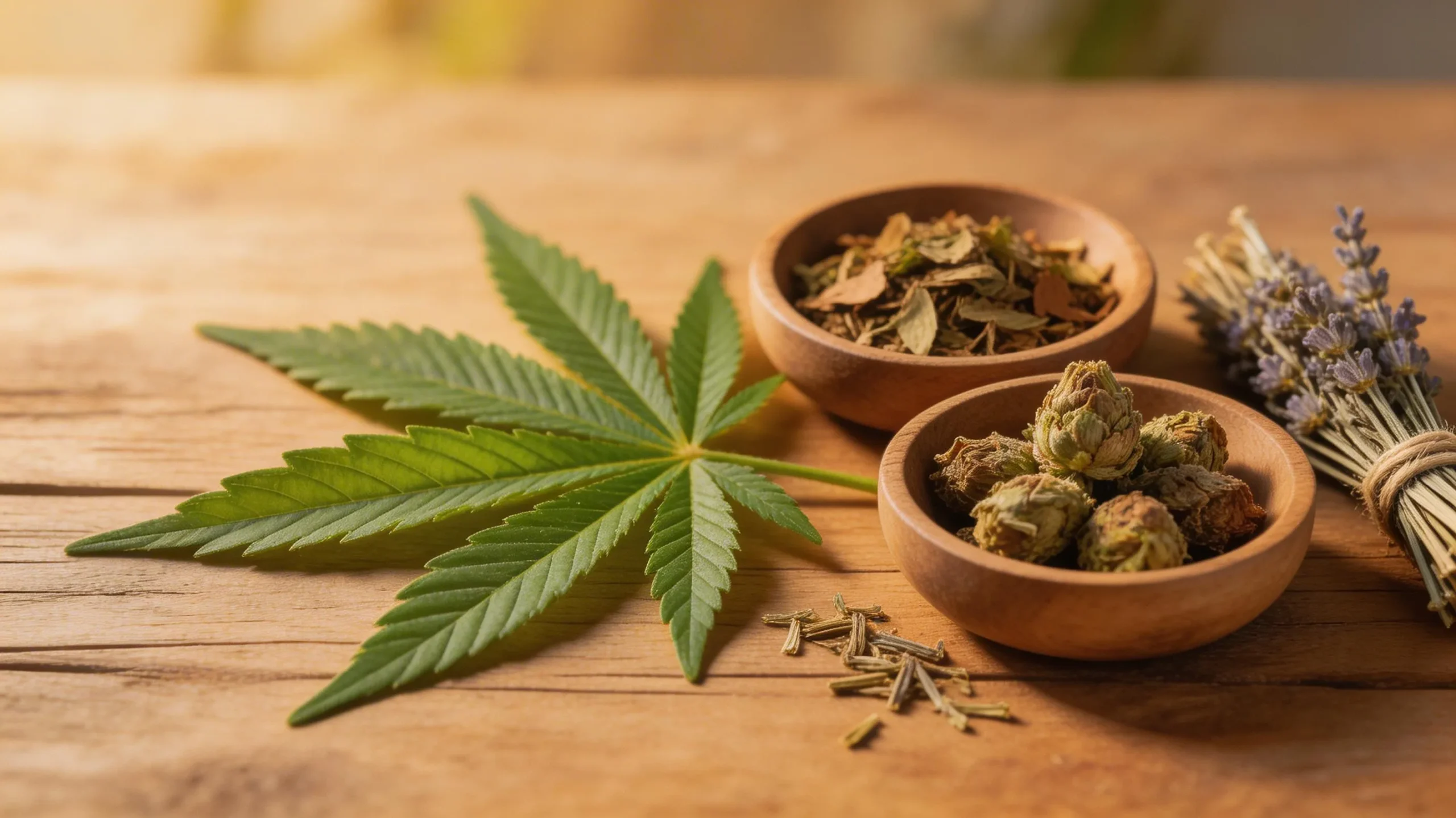
As the global hemp industry continues to grow, many entrepreneurs and buyers are exploring opportunities in the Middle East. One of the most common questions people ask is: What hemp products are allowed in the UAE?
The UAE Industrial Hemp Law (Federal Decree-Law No. 24 of 2025) introduced a legal framework for certain industrial and medical uses of hemp. However, the law remains strict, and only specific hemp products may be permitted under regulatory supervision.
Understanding which hemp products are allowed in the UAE is essential for businesses looking to import, manufacture, or sell hemp-based goods in the region.
Industrial Hemp Products That May Be Allowed
Under the UAE Industrial Hemp Law, hemp products that are primarily used for industrial purposes and contain very low THC levels (less than 0.3%) may be permitted in regulated sectors.
Some of the most common industrial hemp products include:
Hemp Textiles and Fabrics
Hemp fibers are widely used to produce sustainable textiles. Hemp clothing, fabrics, and eco-friendly fashion materials are considered industrial products and may be allowed under proper regulatory approvals.
Hemp Fiber and Raw Materials
Hemp fiber is used in rope, insulation materials, industrial composites, and automotive materials. These products contain no psychoactive compounds and are generally classified as industrial materials.
Hemp Paper and Packaging
Hemp pulp can be used to produce paper products, biodegradable packaging, and eco-friendly packaging materials. As sustainability becomes a global priority, hemp-based packaging is gaining attention worldwide.
Hemp Construction Materials
Hemp is increasingly used in sustainable construction materials such as hempcrete, insulation panels, and fiberboards. These materials are valued for their durability and environmental benefits.
Hemp Seed Oil for Industrial Use
Hemp seed oil extracted from hemp seeds does not contain cannabinoids and may be used in certain industrial or cosmetic applications.
Hemp Cosmetic Ingredients
Some cosmetic products containing hemp seed oil may be permitted, provided they meet UAE safety and regulatory requirements.
It is important to note that hemp seed oil is different from CBD oil. Hemp seed oil is derived from the seeds of the plant and does not contain cannabinoids.
Cosmetic products must still comply with UAE cosmetic regulations and safety approvals.
Regulated Medical Hemp Applications
The UAE Industrial Hemp Law also opens the door for regulated medical applications derived from hemp compounds.
However, these products are strictly controlled and typically require pharmaceutical approvals and government licensing. Medical use of hemp is expected to be limited to approved research and regulated medical manufacturing.
Hemp Products That Businesses Should Be Careful With
Even though some industrial hemp products may be permitted, many hemp consumer products remain restricted in the UAE.
Businesses should exercise caution when dealing with products such as:
- CBD oils and extracts
- hemp supplements or food products
- hemp smoking products
- recreational cannabis products
These products are often regulated under strict narcotics laws and may not be allowed for general commercial sale.
Opportunities for Hemp Businesses
For entrepreneurs exploring the hemp sector in the UAE, the safest opportunities currently exist in industrial applications of hemp.
Potential business sectors include:
- sustainable textile production
- eco-friendly packaging materials
- hemp-based construction materials
- industrial hemp fiber supply chains
These industries align closely with the UAE’s focus on sustainability, innovation, and green materials.
Final Thoughts
The UAE Industrial Hemp Law has begun to define how hemp can be used within the country, but the market remains highly regulated.
Industrial hemp products used in textiles, construction, and manufacturing may present opportunities for businesses, while many consumer hemp products remain restricted.
For companies and buyers interested in hemp products in the UAE, staying informed about regulations and compliance requirements is essential as the market continues to evolve.
Leave a Reply