
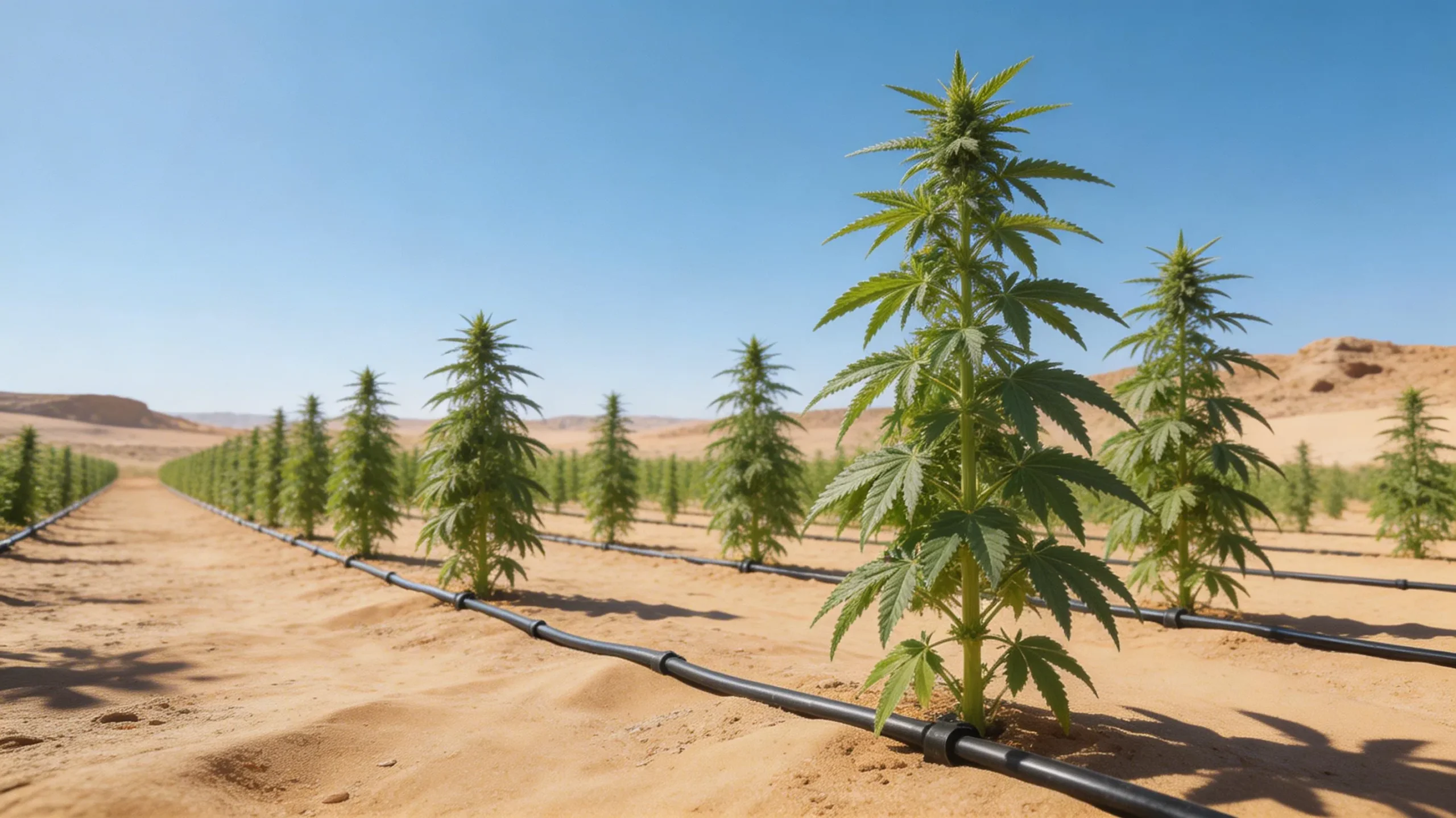
A Carefully Controlled Approach
When people talk about hemp in the Middle East, the UAE is often part of the conversation. The country is known for adopting new industries, but it also maintains very strict drug laws. Because hemp comes from the cannabis plant, the government regulates it very carefully.
The UAE hemp policy reflects this balance. Instead of allowing open cannabis markets, the country has introduced a structured policy that permits certain industrial and medical uses of hemp while maintaining strict control over recreational cannabis.
This approach allows innovation while keeping the country’s narcotics laws firmly in place.
Why Governments Regulate Hemp
Hemp and cannabis come from the same plant family, but they are used very differently. Hemp varieties contain extremely low levels of THC, the compound responsible for the intoxicating effects of marijuana.
Because of this difference, many countries allow hemp for industrial or medical purposes while still banning recreational cannabis.
The UAE follows a similar principle. Hemp is treated as a regulated industrial and pharmaceutical resource, not a consumer product.
The Legal Foundation of UAE Hemp Policy
The current framework surrounding hemp in the country comes from Federal Decree-Law No. 24 of 2025, which regulates industrial and medical uses of hemp.
This law introduced a licensing system that allows certain hemp-related activities under government supervision. Companies or institutions that wish to work with hemp must receive approval from relevant authorities.
The policy focuses mainly on industrial manufacturing, pharmaceutical development, and research activities rather than consumer markets.
THC Restrictions
A key part of the UAE hemp policy is controlling THC levels.
THC is the psychoactive compound found in cannabis. Hemp used in regulated activities must contain very low levels of THC, generally below the internationally recognized limit of 0.3 percent.
Strict monitoring ensures that hemp used in industrial or research contexts cannot be diverted for recreational use.
This distinction helps authorities separate industrial hemp from cannabis intended for intoxicating purposes.
No Recreational Cannabis Market
One of the most important aspects of the UAE’s hemp policy is that recreational cannabis remains illegal.
Products such as cannabis flower, THC gummies, THC oils, vape cartridges, cannabis beverages, and THC edibles cannot be sold or possessed in the country.
The UAE does not allow retail cannabis stores or consumer THC markets. The policy is designed to prevent recreational use while allowing controlled industrial and medical activities.
Medical Cannabinoids Within Healthcare Systems
Although recreational cannabis products are prohibited, certain cannabinoid-based medicines may be used within regulated healthcare systems.
These medicines are not over-the-counter products. They must be approved pharmaceutical drugs prescribed by licensed doctors and dispensed through licensed pharmacies.
In some cases, the importation of such medicines may require government approval.
This ensures that cannabinoid compounds used for medical purposes remain strictly within the healthcare framework.
A Policy Focused on Industry and Research
The UAE’s hemp policy reflects a strategic approach. Instead of developing retail cannabis markets, the country prioritizes controlled industrial uses and scientific research.
Hemp fibers can be used in manufacturing materials, textiles, and industrial products. At the same time, pharmaceutical research continues to explore plant-derived compounds for potential medical treatments.
By regulating these activities carefully, the UAE aims to support innovation while maintaining strict compliance with national drug laws.
Final Thoughts
The UAE hemp policy is designed around regulation, control, and limited industrial use. Recreational cannabis products remain illegal, and consumer THC markets are not permitted.
However, through regulated frameworks, the country allows certain hemp-related activities in industrial manufacturing, pharmaceutical development, and research.
This controlled approach reflects how the UAE balances new economic opportunities with its long-standing commitment to strict narcotics regulation.
Leave a Reply