
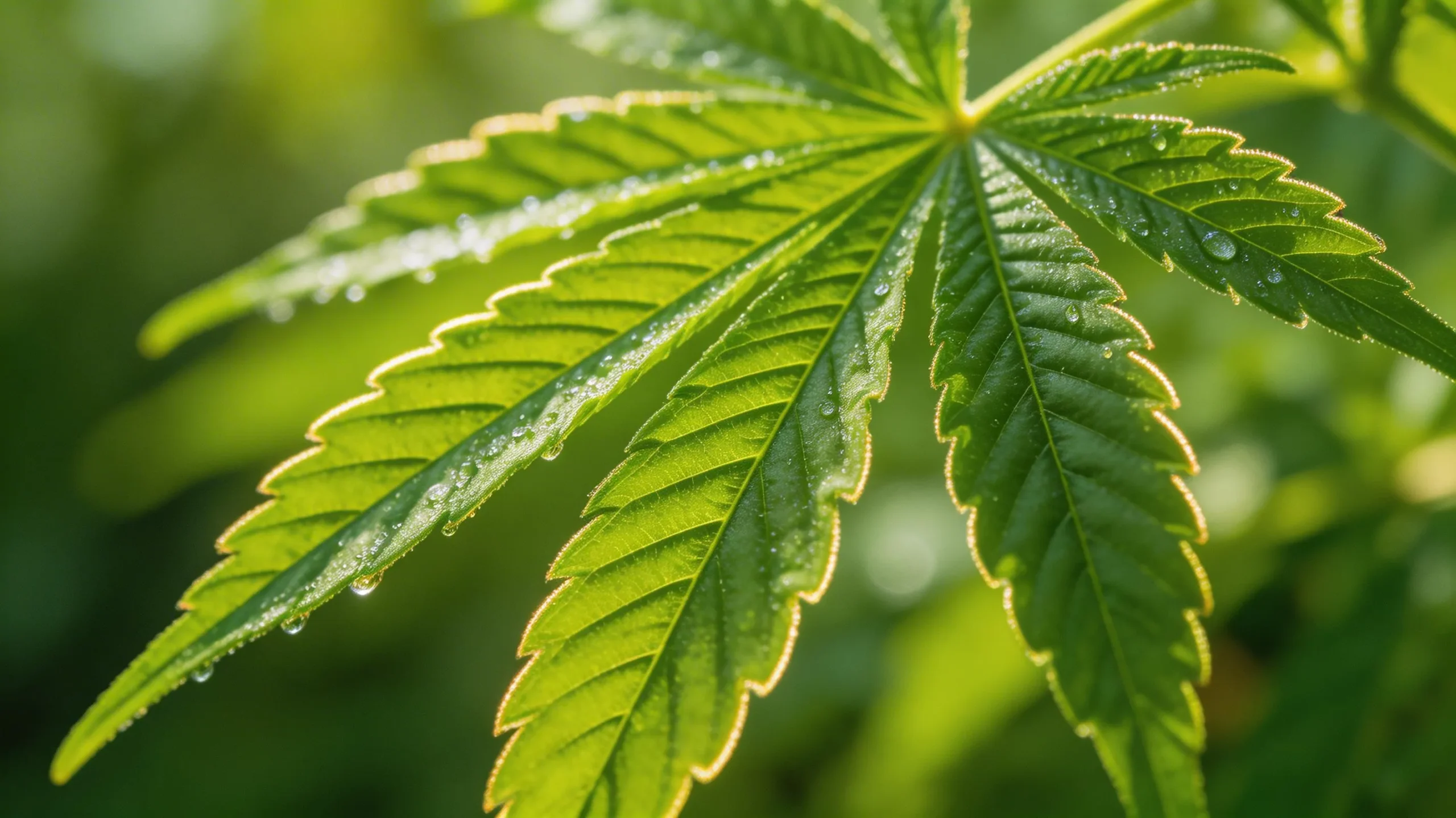
A Quiet Shift That Could Become Significant
If you observe how industries evolve within the UAE, a very clear pattern begins to emerge over time. Some sectors grow loudly, almost instantly becoming part of everyday life, real estate reshaping skylines, tourism bringing in global attention, luxury retail defining consumer culture. These industries are visible, fast-moving, and impossible to ignore.
But then there is another category of industries, those that begin quietly.
They don’t dominate headlines. They don’t appear overnight in malls or advertisements. Instead, they develop slowly in the background, often going unnoticed until they reach a point where their relevance becomes undeniable. The hemp industry in the UAE appears to be following exactly this second path.
At present, hemp is not something you encounter in your daily routine. It is not a topic of casual conversation, nor is it a category that defines consumer behavior. You won’t see it prominently displayed in stores, and you won’t find it integrated into mainstream markets in an obvious way.
And yet, if you look a little deeper, its presence becomes more apparent.
It shows up in conversations around sustainability, where industries are actively searching for alternatives to traditional materials. It appears in research and development discussions, where businesses are exploring innovative ways to build more efficient and environmentally responsible systems. It emerges in niche segments of fashion and design, where materials are being reconsidered for their long-term value rather than just immediate appeal.
Most importantly, it exists in the growing curiosity of businesses and consumers alike, people who are not just hearing about hemp, but actively trying to understand where it fits within the UAE.
This quiet presence is what makes hemp particularly interesting in this context.
It is not driven by hype or rapid consumer demand. There is no sudden surge pushing it into the spotlight. Instead, it is gradually finding its place within a system that prioritizes structure, regulation, and long-term planning. This is a market where industries are not rushed into existence, they are carefully introduced, evaluated, and integrated.
In many ways, this aligns perfectly with how the UAE builds its economic landscape. Growth here is often deliberate rather than reactive. Industries are developed with a clear sense of direction, ensuring that they fit within broader national goals rather than existing as isolated trends.
Hemp, therefore, is not just another emerging category, it is part of a larger shift toward materials, sustainability, and future-focused industries.
What makes this stage particularly significant is that it represents the beginning of that shift. The industry is not yet fully formed, which means its direction is still being shaped. The conversations happening now, around usage, regulation, and opportunity, are laying the foundation for what the hemp industry could eventually become in the UAE.
And if history is any indication, industries that begin quietly in the UAE often evolve into something far more substantial over time.
Understanding Hemp Within the UAE Framework
To fully understand the future of hemp in the UAE economy, it is essential to begin with how hemp is currently defined and positioned within the country. This is where much of the clarity, and often confusion, originates.
On a global level, hemp is widely recognized as a highly versatile plant. It is used across multiple industries, from textiles and construction to food products, wellness items, and even bio-based materials. In many countries, it is treated as a flexible resource that can be adapted to a wide range of consumer and industrial applications.
However, the UAE approaches hemp from a completely different perspective, one that is structured, regulated, and clearly defined.
With the introduction of Federal Decree-Law No. 24 of 2025, hemp has been formally recognized within the legal framework of the country. This is a significant step, as it establishes a foundation for the industry to exist and develop. But this recognition comes with specific conditions.
Hemp is permitted for industrial use, pharmaceutical applications, and research, provided it meets strict regulatory requirements. One of the key conditions is maintaining THC levels below 0.3%, ensuring that the plant remains within a non-psychoactive threshold. Additionally, its handling, processing, and distribution are limited to licensed and authorized entities.
This creates a system where hemp is not freely commercialized in the way it is in many other parts of the world. Instead, it is integrated into a controlled environment where its use is clearly defined and monitored.
This distinction is critical because it shapes the entire direction of the industry.
In markets where hemp is widely commercialized, growth is often driven by consumer products, oils, supplements, wellness items, and lifestyle goods. Businesses focus on direct-to-consumer strategies, building brands around accessibility and mass adoption.
In the UAE, however, the focus shifts away from consumer-driven models and toward industrial applications, material innovation, and regulated systems. Hemp is not positioned as a mainstream retail product, but as a resource that can be used within structured industries.
This does not limit its potential, it simply channels it in a different direction.
By defining how hemp can be used, the UAE framework ensures that its integration into the economy is controlled, compliant, and aligned with broader goals. This includes sustainability, innovation, and long-term economic diversification.
For businesses, this means that opportunities exist, but they must be approached with a clear understanding of these boundaries. For consumers, it means that access is selective and focused on specific categories, primarily material-based products.
More importantly, this framework creates a sense of stability. Instead of an unpredictable market driven by rapid changes, the hemp industry in the UAE is being built on a foundation that emphasizes clarity, consistency, and long-term viability.
In many ways, understanding this framework is the key to understanding everything else. It explains why the market looks the way it does today, why certain products are available while others are not, and how the industry is likely to evolve in the future.
Once this structure is clear, the future of hemp in the UAE economy begins to make much more sense, not as a sudden trend, but as a carefully integrated part of a larger economic vision.
The Role of Sustainability in Shaping Hemp’s Future
One of the most powerful and defining forces shaping the future of hemp in the UAE is sustainability, not as a passing trend, but as a long-term structural priority embedded within the country’s development strategy.
Over the past decade, the UAE has been actively repositioning itself as a leader in sustainable innovation. This shift is visible across multiple sectors. From green building initiatives and energy-efficient infrastructure to sustainable fashion movements and circular economy models, there is a clear and consistent effort to reduce environmental impact while maintaining economic growth.
This broader transition creates a natural entry point for materials that align with these goals, and this is exactly where hemp begins to make sense.
Globally, hemp is recognized not just as a plant, but as a multi-functional material system. It can be used in textiles that reduce dependency on resource-intensive fabrics, in packaging solutions that offer biodegradable alternatives, and in construction materials that support energy efficiency and durability. This ability to operate across industries makes hemp uniquely positioned within the sustainability conversation.
In the UAE context, this versatility becomes even more relevant.
The country is not simply adopting sustainable practices at a surface level. It is integrating sustainability into its long-term planning frameworks, including urban development, industrial innovation, and economic diversification. This means that materials are not evaluated only for their immediate utility, but for how they contribute to broader environmental and economic objectives.
Hemp, in this sense, is not introduced as a standalone category or a niche alternative. Instead, it fits into a larger ecosystem of material innovation, where industries are actively seeking solutions that can balance performance with sustainability.
For example, in fashion, there is a growing interest in materials that are breathable, durable, and environmentally responsible. Hemp fabric aligns with all three of these requirements, making it a strong candidate for future adoption. In construction, the search for materials that can support insulation, durability, and reduced environmental impact opens up space for hemp-based composites and alternatives. Even in packaging, where waste reduction is becoming increasingly important, hemp offers possibilities that align with circular economy goals.
What makes this particularly significant is that the UAE’s approach to sustainability is systematic rather than reactive. Instead of adopting materials based on short-term trends, the focus is on building systems that can sustain long-term growth. This creates an environment where materials like hemp are not rushed into the market, but are gradually integrated as part of a larger transformation.
Another important aspect is how sustainability influences perception. As consumers and businesses become more conscious of environmental impact, the value of materials is no longer defined solely by cost or convenience. It is also shaped by responsibility, longevity, and alignment with future goals. Hemp, with its multi-industry applications, naturally becomes part of this evolving mindset.
At the same time, this transition is not immediate. The integration of new materials into established industries requires testing, adaptation, and alignment with existing systems. This means that hemp’s role in sustainability will likely expand gradually, rather than suddenly.
However, this gradual growth is not a limitation, it is a strength.
It ensures that the material is adopted in a way that is practical, scalable, and aligned with real-world applications, rather than being driven by temporary interest. Over time, as industries continue to evolve and sustainability becomes even more central, hemp is likely to move from being an alternative material to becoming a recognized component of the UAE’s sustainable economy.
Market Trends: How Hemp Is Entering the Economy
The entry of hemp into the UAE economy is not happening through a single, clearly defined pathway. Instead, it is emerging through a combination of subtle, interconnected trends, each contributing to the gradual formation of the industry.
At first glance, this evolution may not seem obvious. There are no large-scale announcements or rapid expansions that signal a sudden shift. But when you look closely, patterns begin to appear, indicating that the industry is slowly but steadily taking shape.
One of the most prominent trends is the shift toward material-based applications. Unlike markets where hemp is often associated with consumable or wellness products, the UAE is focusing more on its role as a material. Businesses are exploring how hemp can be used in textiles, packaging, and industrial processes, rather than positioning it as a consumer-driven category.
This shift is not random, it is directly influenced by the regulatory framework and the country’s broader economic priorities. By focusing on materials, businesses can align with both compliance requirements and sustainability goals, creating a pathway that is both practical and scalable.
Another key trend is the emergence of niche businesses and early adopters. These are not large corporations attempting to dominate the market. Instead, they are smaller, focused entities that are experimenting with specific applications of hemp. Whether it is a design-led fashion brand introducing hemp fabrics, or a supplier working with hemp-based materials, these businesses are exploring the edges of what is possible.
What makes these early adopters important is not just their presence, but their role in testing and validating the market. They are effectively building the first layer of the ecosystem, identifying what works, what does not, and where opportunities exist. Their efforts may seem small in scale, but they contribute significantly to shaping the direction of the industry.
At the same time, there is a noticeable rise in education and awareness-driven initiatives. As curiosity around hemp increases, so does the demand for reliable information. Consumers want to understand what hemp is, how it is used, and how it fits within the UAE context. Businesses want clarity on regulations, sourcing, and positioning.
This has led to the growth of content platforms, research-based discussions, and informational resources that aim to bridge the gap between curiosity and understanding. In many ways, these platforms are laying the groundwork for future demand by ensuring that the market is informed rather than confused.
Another subtle but important trend is the integration of hemp into broader conversations rather than isolating it as a separate category. Instead of being marketed as a standalone product, hemp is increasingly being positioned within themes like sustainability, innovation, and material science. This allows it to enter the economy in a way that feels natural and relevant, rather than forced or experimental.
There is also a growing alignment between global trends and local adaptation. While the UAE does not replicate global hemp markets directly, it is still influenced by international developments. As hemp gains visibility worldwide, it naturally becomes part of local discussions. However, instead of adopting these trends wholesale, the UAE adapts them to fit its own framework, creating a more structured and controlled form of growth.
Together, these trends highlight an important reality, the hemp industry in the UAE is not static. It is evolving, but in a way that is measured, layered, and interconnected.
This kind of evolution may not always be immediately visible, but it is often more sustainable in the long run. Instead of rapid expansion followed by instability, the industry is being built step by step, with each trend contributing to a stronger foundation.
And as these trends continue to develop, they are likely to move from being subtle signals to becoming clear indicators of a growing and increasingly relevant sector within the UAE economy.
Demand: A Market Driven by Curiosity and Potential
One of the most fascinating and distinctive aspects of the hemp industry in the UAE is not just what people are buying, but why they are interested in it in the first place. Unlike traditional markets where demand is driven by availability, pricing, or habit, the UAE hemp market is currently being shaped by something far more subtle and complex: curiosity combined with long-term potential.
In most established industries, demand follows a predictable pattern. Products are widely available, consumers understand what they are buying, and purchasing decisions are driven by familiarity and convenience. People buy because they already know the product, trust it, and see it as part of their routine.
But the situation in the UAE hemp market is fundamentally different.
Here, demand is not yet fully formed. It does not operate on volume or frequency of purchase. Instead, it exists in a pre-consumption phase, where interest is building before actual buying behavior becomes widespread. This makes the nature of demand much more exploratory than transactional.
Consumers are not just purchasing hemp products, they are researching, observing, and evaluating. They are searching online, reading about global trends, and trying to understand how hemp fits into their lifestyle within the UAE context. This behavior reflects a deeper level of engagement. It is not driven by impulse, but by a desire for clarity.
At the same time, businesses are approaching hemp with a similar mindset. Rather than immediately integrating it into their operations, they are studying its applications. They are asking questions about sourcing, compliance, scalability, and market fit. For many companies, hemp is not yet a core material, it is a potential resource under evaluation.
Investors, too, are looking at the industry through a long-term lens. They are less concerned with immediate returns and more interested in understanding how the market might evolve over time. They recognize that hemp is part of a broader global shift toward sustainable materials, and they are assessing how that shift could eventually translate into the UAE economy.
What emerges from all of this is a form of demand that is not always visible in traditional metrics. It may not show up as high sales volumes or widespread adoption, but it is clearly present in behavior. Search patterns, conversations, research activity, and early-stage business exploration all point to a growing level of interest.
This type of demand is particularly important because it often acts as a leading indicator of future growth.
In many industries, widespread adoption does not happen immediately. It is preceded by a phase where awareness builds, understanding develops, and early adopters begin to experiment. This is exactly where the UAE hemp market currently stands.
As awareness continues to grow and more information becomes accessible, this curiosity is likely to evolve into confidence. And as confidence increases, it begins to translate into actual consumption, whether through products, materials, or industrial applications.
Another important dimension to consider is the diversity of this demand. It is not coming from a single group or segment. Instead, it is being driven by multiple layers of the market simultaneously:
- consumers exploring sustainable alternatives
- businesses evaluating material innovation
- designers experimenting with new fabrics
- investors identifying long-term opportunities
This multi-layered demand creates a strong foundation for future expansion because it is not dependent on one specific use case.
In this sense, the UAE hemp market is still in its pre-expansion phase, a stage where the groundwork is being laid through awareness, exploration, and gradual alignment with the local framework.
And while this phase may not always be visible on the surface, it is often the most important stage in the development of any industry. It is where perceptions are shaped, opportunities are identified, and the direction of future growth is quietly defined.
Business Opportunities in the UAE Hemp Economy
The future of hemp in the UAE economy is not defined by a single opportunity or industry, it is shaped by a network of interconnected possibilities, each contributing to the gradual development of the market. What makes this particularly interesting is that these opportunities are not always obvious at first glance. They exist within the structure of the market, waiting to be identified and approached with the right strategy.
One of the most significant and immediately viable areas is B2B supply and distribution. Since large-scale hemp cultivation and processing are not yet established locally, there is a natural reliance on international sourcing. This creates a clear gap in the market, one that can be filled by businesses capable of connecting global suppliers with local demand.
In this model, the value lies not just in the product itself, but in the ability to build reliable supply chains. Businesses that can source high-quality hemp materials, manage logistics efficiently, and provide consistent supply to industries have the potential to become key players in the ecosystem. This includes supplying textiles to fashion brands, raw materials to manufacturers, and specialized inputs to companies exploring sustainable solutions.
Another promising area is the development of sustainable fashion and lifestyle brands. In the UAE, where consumer expectations are strongly influenced by design, quality, and experience, there is an opportunity to introduce hemp-based products in a way that feels natural rather than experimental.
Instead of focusing on hemp as the main narrative, brands can emphasize aesthetics, comfort, and usability, allowing the material to integrate seamlessly into everyday products. Over time, this approach helps build familiarity and acceptance, gradually expanding the role of hemp within the consumer market.
Beyond physical products, there is also a growing opportunity in content and knowledge-based platforms. As demand is currently driven by curiosity and exploration, information becomes a valuable asset. Platforms that provide clear, accurate, and locally relevant insights about hemp can position themselves as authorities within the space.
These platforms can serve multiple purposes, they educate consumers, guide businesses, and create visibility for the industry as a whole. Over time, they can also evolve into hubs for partnerships, collaborations, and lead generation, making them an integral part of the ecosystem.
Looking further ahead, industrial applications and material innovation represent some of the most impactful opportunities. As industries in the UAE continue to explore sustainable alternatives, hemp-based materials may find applications in areas such as construction, packaging, and manufacturing.
While these opportunities require more time, investment, and collaboration, they also have the potential to create significant long-term value. Businesses operating in this space are not just participating in the market, they are helping shape its future direction.
Another important aspect to consider is how these opportunities can be combined. In many cases, the most effective strategies involve hybrid models, for example, a business that combines supply with branding, or content with e-commerce. This allows companies to operate across multiple layers of the market, increasing both resilience and influence.
What ties all of these opportunities together is the idea that the hemp industry in the UAE is not confined to a single vertical. It is a multi-sectoral space, where different industries intersect and contribute to overall growth.
This makes the market both complex and dynamic. It requires businesses to think beyond traditional models and approach the industry with a broader perspective.
For those who understand this complexity, the opportunities are not just real, they are evolving continuously. And in a market that is still taking shape, the ability to identify and act on these opportunities early can create a significant advantage over time.
Challenges That Will Shape the Industry
While the future of hemp in the UAE holds clear promise, it is equally important to understand that this growth is not without its complexities. The industry is not developing in an open, unrestricted environment, it is evolving within a system that is structured, regulated, and still being defined. These conditions introduce a set of challenges that do not necessarily block progress, but actively shape how that progress unfolds.
One of the most influential factors is regulation.
In the UAE, regulation is not simply a guideline, it is the framework within which the entire industry operates. The introduction of Federal Decree-Law No. 24 of 2025 provides clarity by defining what hemp is and where it can be used. However, this clarity also comes with strict boundaries. Businesses cannot experiment freely across all product categories. Instead, they must align their models with what is permitted, primarily industrial use, research, and controlled applications.
This creates a situation where opportunity exists, but only within defined limits. For businesses, this means that success depends not just on innovation, but on compliance-driven innovation. Every decision, from sourcing to product development, must be made with a clear understanding of regulatory alignment. This adds a layer of complexity that requires both strategic thinking and long-term planning.
Another major challenge is awareness.
While curiosity around hemp is increasing, true understanding is still developing. Many consumers are familiar with hemp at a global level but are not fully aware of how it is positioned within the UAE. This creates a gap between interest and confidence. People may want to explore hemp products, but hesitation arises when they are unsure about what is allowed or appropriate.
For businesses, this means that entering the market is not just about offering products, it is also about educating the audience. Time and effort need to be invested in building clarity, addressing misconceptions, and creating trust. This slows down immediate growth, but it also contributes to a more informed and stable market over time.
Supply chain complexity adds another layer of challenge.
Since local hemp cultivation and processing are still limited, most materials need to be sourced internationally. This introduces logistical considerations such as import regulations, quality control, consistency, and cost management. Businesses must build reliable supply chains that can operate smoothly within these constraints.
Unlike markets with established local production, where supply can be scaled quickly, the UAE hemp industry requires a more coordinated and globally connected approach. This makes operations more complex, but also creates opportunities for businesses that can manage these systems effectively.
Perception is another factor that cannot be overlooked.
Despite its industrial applications, hemp is still often associated with cannabis in public perception. This association, even if inaccurate in many contexts, can influence how consumers and businesses view the material. It can create hesitation, slow adoption, and require additional effort to communicate the differences clearly.
Overcoming this challenge is not about aggressive marketing, it is about consistent, clear positioning. As awareness improves and understanding deepens, this perception is likely to shift, but it remains an important factor in the current stage of the market.
There is also the challenge of timing.
The UAE hemp industry is developing gradually, which means that businesses need to balance opportunity with patience. Entering too early without a clear strategy can lead to slow returns, while waiting too long may result in missed opportunities. This makes timing a strategic decision rather than a simple one.
Taken together, these challenges highlight an important reality, the hemp industry in the UAE is not designed for rapid, unstructured growth. Instead, it is being built through a process that prioritizes stability, compliance, and long-term alignment.
And while this may make the journey more complex, it also ensures that the industry develops on a foundation that is sustainable and resilient.
Why the UAE Hemp Industry Is Still in Its Early Stages
When you step back and look at the UAE hemp market as a whole, it becomes clear that it is still in a formative phase. This is not a market that has reached maturity or widespread adoption. Instead, it is one that is gradually building its identity, shaped by a combination of awareness, regulation, and evolving demand.
One of the clearest indicators of this early stage is the level of awareness.
While more people are beginning to hear about hemp and its potential uses, understanding is not yet consistent across the market. Some consumers are familiar with hemp through global exposure, while others are encountering it for the first time. This uneven awareness creates a landscape where interest exists, but clarity is still developing.
Demand, too, reflects this early-stage nature.
As discussed earlier, demand in the UAE hemp market is driven more by curiosity than by established consumption patterns. People are exploring, researching, and evaluating, but widespread purchasing behavior is still limited. This is typical of industries that are in the process of emerging rather than fully developed.
Availability further reinforces this point.
Hemp products are not yet widely distributed across mainstream retail channels. Instead, they are found in niche segments, online platforms, and specialized offerings. This limited availability is not necessarily a sign of weakness, it is a reflection of a market that is still being structured and defined.
Another important factor is the role of regulation.
The UAE has taken a measured approach to integrating hemp into its economy. By defining clear boundaries and controlled applications, it ensures that the industry develops in a stable and compliant manner. However, this also means that expansion happens gradually, rather than rapidly.
For businesses, this early stage represents both a challenge and an opportunity.
On one hand, the market requires patience, education, and careful positioning. On the other hand, it offers the chance to build early, experiment thoughtfully, and establish a presence before the space becomes more competitive.
For consumers, it means that the journey with hemp is still one of discovery. There is still much to learn, explore, and understand, which makes the experience both dynamic and evolving.
From an economic perspective, this stage is critical.
It is during this phase that the foundations of the industry are laid, through policy, business models, supply chains, and awareness. The decisions made at this stage influence how the industry will grow in the future.
In many ways, the UAE hemp market is not just growing, it is defining itself.
The Long-Term Economic Impact of Hemp
Looking ahead, the potential impact of hemp on the UAE economy is significant, but it is important to understand that this impact will likely unfold gradually and strategically, rather than through sudden transformation.
One of the most important areas of impact is sustainability.
As the UAE continues to prioritize environmentally responsible development, materials like hemp have the potential to contribute to reducing environmental impact across multiple industries. In fashion, this could mean a shift toward more durable and breathable fabrics. In construction, it could involve exploring alternative materials that support energy efficiency and sustainability. In manufacturing, it could lead to the adoption of more eco-friendly inputs.
Beyond sustainability, hemp also has the potential to drive innovation.
As industries begin to explore new materials and processes, hemp can serve as a foundation for experimentation and development. This could lead to new products, new business models, and new ways of integrating sustainability into economic activity.
Investment is another area where hemp could play a role.
As the industry evolves and becomes more defined, it is likely to attract interest from investors looking for opportunities in emerging sectors. This could lead to increased funding for research, development, and business expansion, further accelerating growth.
There is also the aspect of economic diversification.
The UAE has been actively working to expand its economy beyond traditional sectors, focusing on innovation, sustainability, and future-oriented industries. Hemp, as a multi-industry material, fits naturally into this strategy. Its applications across textiles, construction, and manufacturing allow it to contribute to multiple sectors simultaneously.
Over time, hemp could also become part of the UAE’s positioning as a global hub for innovation and sustainable development. By integrating new materials into its economic framework, the country strengthens its role in shaping future industries.
However, it is important to recognize that this impact will not happen overnight.
The integration of hemp into the economy requires alignment across regulation, industry adoption, and market awareness. Each of these elements needs time to develop and stabilize.
But once these elements come together, the impact can be far-reaching.
Final Thoughts
The future of hemp in the UAE economy is not defined by speed, it is defined by direction.
This is not a market that will experience rapid, unpredictable growth. Instead, it is one that will evolve steadily, guided by regulation, shaped by sustainability, and supported by long-term planning.
Hemp today is not yet a mainstream industry in the UAE, but it is clearly moving in that direction. It exists in a space where curiosity is turning into awareness, and awareness is gradually shaping real opportunities.
For those who take the time to understand this process, the potential becomes much more visible. The UAE hemp market is not just about what exists today, it is about what is being built for the future.
And in markets like this, where the foundation is still being laid, the opportunity is not just to participate, but to contribute to shaping what comes next.
Because in the end, the future of hemp in the UAE is not something that will simply happen, it is something that will be carefully created, step by step.
Leave a Reply