
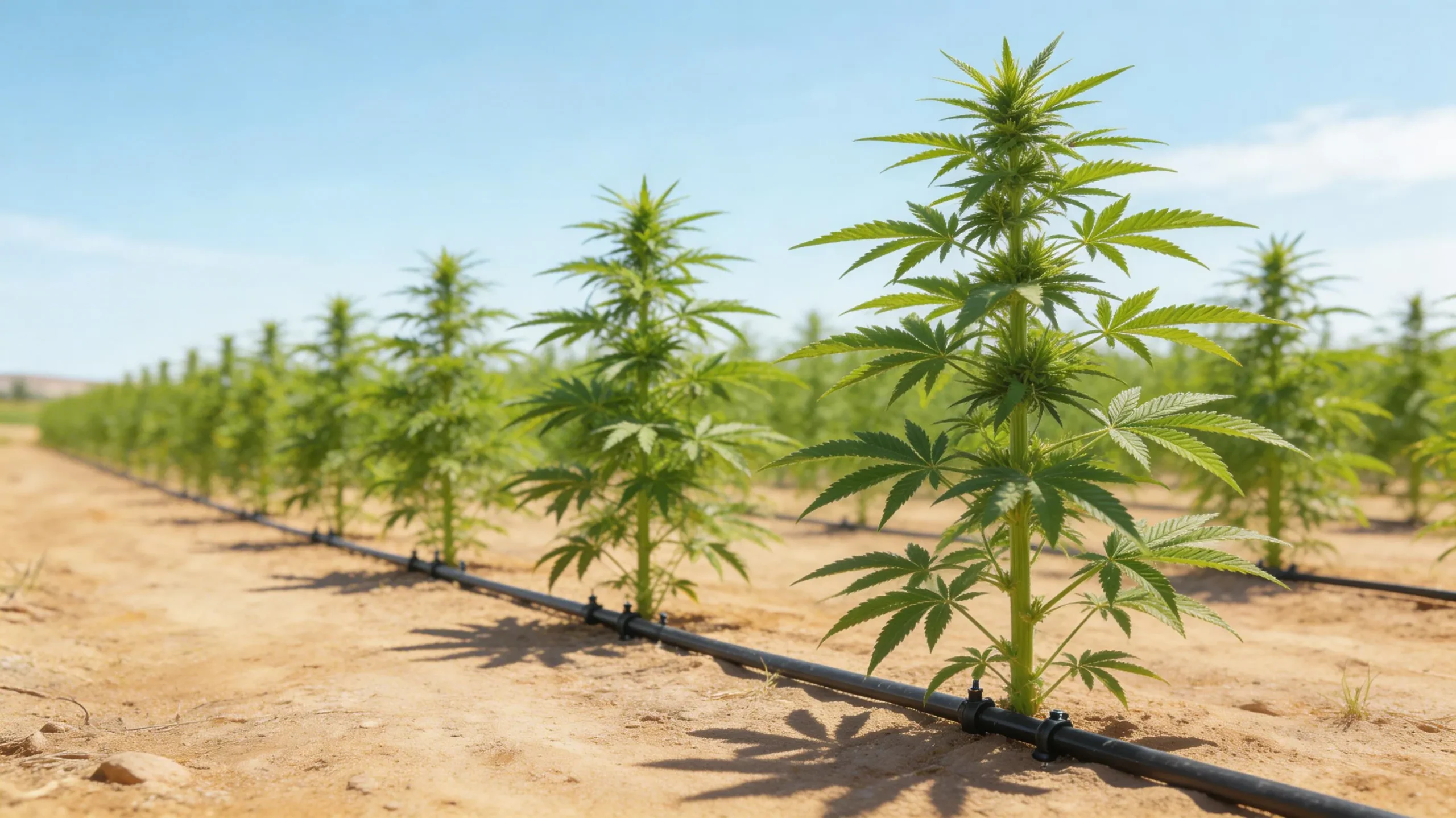
A Market That Everyone Is Curious About
If you’ve been hearing more about hemp lately, you’re definitely not alone. Over the past few years, hemp has quietly moved from being a niche topic into something that’s now part of mainstream global conversations. It shows up in fashion as a sustainable fabric, in construction as an alternative material, and even in discussions around future industries and eco-conscious living. This global shift has naturally started influencing how people in the UAE think about hemp as well, making The Complete Guide to Hemp Products in the UAE Market more relevant than ever for anyone trying to understand this evolving space.
But what makes the UAE particularly interesting is the contrast between awareness and availability. Unlike markets where hemp products are openly sold and widely visible, the UAE presents a more subtle picture. You won’t walk into a shopping mall and see hemp products displayed alongside everyday brands, yet if you look at online behavior, the curiosity is undeniable. People are searching for hemp clothing, hemp materials, hemp laws, and even broader questions about whether hemp is allowed at all. There is clearly interest—but it exists in a space that is still forming.
This creates a unique kind of market dynamic. Hemp in the UAE is not absent—it is simply not fully expressed yet. It exists in conversations, in research, in early-stage businesses, and in growing awareness among consumers and entrepreneurs. At the same time, there is a noticeable gap between what people know and what they understand. Many are familiar with the word “hemp,” but fewer understand how it fits into the UAE’s legal and commercial environment.
That is exactly why understanding hemp products in the UAE market requires more than just a basic definition. It is not just about what hemp is, but about how it operates within a system that is structured, cautious, and evolving at its own pace. The opportunity lies in this gap—between curiosity and clarity. And for anyone looking to explore this space, whether as a consumer or a business, this is where the real story begins.
What Hemp Actually Means in the UAE Context
To truly understand hemp in the UAE, it’s important to first separate global perception from local reality. Around the world, hemp is often grouped under the broader cannabis category, and this is where most of the confusion begins. In many countries, hemp is closely associated with CBD products, wellness trends, and alternative health solutions. This global narrative has shaped how people think about hemp—but it does not directly apply to how hemp is defined and treated in the UAE.
In its simplest form, hemp is a highly versatile plant that can be used for a wide range of purposes, including textiles, industrial materials, and manufacturing inputs. The key difference lies in how the plant is processed and what components are extracted from it. Hemp used for fiber, for example, is fundamentally different from hemp used for extracts, even though they come from the same source. This distinction becomes extremely important in the UAE context.
The UAE has taken a structured and highly regulated approach to hemp. With the introduction of Federal Decree-Law No. 24 of 2025, hemp has been officially recognized within a legal framework, but only under clearly defined conditions. It is permitted for industrial use, pharmaceutical applications, and research purposes. Within these systems, hemp must meet strict requirements, including maintaining THC levels below 0.3%, and it must be handled by licensed and approved entities.
What this means in practical terms is that hemp is not treated as a general consumer product. The law does not open the door for retail hemp markets in the way many people might expect. Instead, it establishes hemp as a regulated material, one that can exist within controlled industries but not as a freely available product category.
This is where clarity becomes essential. Hemp in the UAE is not “illegal,” but it is also not “open.” It exists within a defined structure, and understanding that structure is key to understanding the market itself. For businesses, this means building within clear boundaries. For consumers, it means knowing what is actually accessible and what is not.
Once this distinction is understood, the UAE hemp market starts to make much more sense. It is not a limitation—it is simply a different model. One that prioritizes control, structure, and long-term development over rapid, unregulated growth.
The Difference Between Hemp Products and Cannabis Products
One of the biggest challenges people face when exploring hemp products in the UAE market is understanding the difference between hemp and cannabis-based products. On the surface, both come from the same plant family, which is exactly why confusion is so common. Globally, these terms are often used interchangeably in casual conversations, but in regulated markets like the UAE, the distinction is extremely important and has real implications for what is allowed and what is not.
Hemp, in its industrial and material form, is primarily used to create products such as textiles, fibers, and various types of manufacturing inputs. These applications rely on the structural components of the plant rather than its chemical extracts. As a result, these products do not contain THC in any meaningful or active form, which is why they are not classified as controlled substances. This is the category where hemp operates most safely and clearly within the UAE—focused on materials, not consumption.
On the other hand, once hemp is processed for extracts, the entire classification changes. Products like oils, supplements, tinctures, or edibles are derived from the chemical components of the plant, even if they are labeled as low-THC or non-psychoactive. In the UAE, these fall under strict narcotics and pharmaceutical regulations, regardless of how they are marketed internationally. This means they are not part of the general consumer market and cannot be freely sold, imported, or used without proper authorization.
What makes this distinction so important is that it directly defines the boundaries of the market. It is not just a technical difference—it determines what businesses can build, what products can be sold, and how hemp is perceived overall. Understanding this clearly allows both consumers and entrepreneurs to navigate the space with confidence, rather than relying on assumptions based on other countries. In the UAE, hemp is not about what the plant can do globally—it is about how it is specifically allowed to exist locally.
Types of Hemp Products Relevant to the UAE Market
When discussing hemp products in the UAE market, it becomes clear that only certain categories align with both the legal framework and practical usability. Unlike global markets where hemp appears across a wide range of consumer products, the UAE focuses on applications that are material-based, functional, and non-chemical in nature. This creates a more defined and structured set of product categories that are both relevant and viable.
One of the most prominent categories is hemp textiles. Hemp fabric is known for its durability, breathability, and ability to perform well in warm climates. In a region like the UAE, where temperatures remain high for most of the year, breathable materials are not just a preference—they are a necessity. Hemp naturally fits into this need, offering a fabric that is both strong and comfortable over time. While it may not yet be as widely available as cotton or synthetic fabrics, its relevance in this environment is clear.
Beyond clothing, hemp-based accessories represent another practical category. Items such as bags, backpacks, and everyday lifestyle products made from hemp fiber are functional, easy to integrate into daily routines, and do not raise regulatory concerns. These products are often simpler to introduce into the market because they do not require complex sizing or fitting, making them accessible from both a business and consumer perspective.
There is also a growing conversation around hemp-based materials in industrial and commercial applications. This includes areas like construction materials, packaging solutions, and alternative manufacturing inputs. While this segment is still in its early stages in the UAE, it aligns strongly with the country’s broader focus on sustainability and innovation. As industries continue to explore eco-friendly alternatives, hemp has the potential to become part of larger supply chains in the future.
What ties all these categories together is a common foundation—they are based on hemp as a material, not as a consumable or extract-based product. This distinction is what makes them relevant in the UAE context. It allows hemp to exist within the market in a way that is practical, compliant, and aligned with long-term industry trends. Instead of being positioned as a controversial or misunderstood product, hemp in these forms becomes simply another material—one that happens to offer unique advantages.
Where Medical Use Fits Into the Picture
It is also important to understand that hemp-derived substances do have a place in the UAE—but only within a highly controlled and clearly separated medical framework. This is one of the most misunderstood areas when people explore hemp in the region, because global narratives often blur the line between medical use and general consumer access. In the UAE, however, that line is very clearly defined.
Certain cannabinoid-based medicines may be permitted, but only under strict pharmaceutical regulations. These are not lifestyle or wellness products that can be purchased casually. Instead, they are treated in the same way as any other regulated medical treatment. This means that such medicines must go through official approval processes, meet regulatory standards, and be prescribed by licensed medical professionals within the UAE. Once prescribed, they can only be dispensed through authorized and regulated channels, such as approved pharmacies or healthcare institutions.
What makes this particularly important is the level of control involved. These are not products that individuals can import, order online, or use without supervision. Even if similar products are widely available in other countries, they do not fall into the same category within the UAE. The system is designed to ensure that any use of cannabinoid-based substances is medically justified, monitored, and compliant with national regulations.
For anyone exploring hemp from a business or consumer perspective, this distinction is critical. Medical use exists, but it operates in a completely separate ecosystem—one that does not overlap with e-commerce, retail, or general lifestyle markets. Understanding this separation helps avoid confusion and ensures that expectations are aligned with reality. It also reinforces the broader approach of the UAE, which is to regulate carefully rather than open access widely.
Why Hemp Is Gaining Attention in the UAE
Even with these limitations, hemp continues to gain noticeable attention in the UAE, and this growing interest is not happening in isolation. It is being shaped by a combination of global influence, local priorities, and shifting consumer awareness. While hemp may not yet be a mainstream product category in the region, it has clearly entered the conversation—and that alone signals change.
One of the strongest drivers of this attention is global exposure. The UAE is deeply connected to international markets, both economically and culturally. Trends that gain traction in regions like North America and Europe often make their way into the UAE through media, e-commerce, and expat communities. As hemp becomes more visible worldwide—whether in fashion, sustainable materials, or industrial innovation—it naturally becomes something people in the UAE start to notice, research, and discuss.
At the same time, sustainability is playing an increasingly important role in shaping interest. The UAE has been actively investing in environmentally responsible initiatives, from green construction projects to long-term sustainability goals. In this context, materials like hemp are not just interesting—they are relevant. Hemp’s versatility as a plant-based material makes it suitable for applications in textiles, packaging, and even construction, all of which align with broader environmental objectives.
Another factor that contributes to this growing attention is the presence of a diverse expat population. Many residents in the UAE come from countries where hemp products are more commonly available and widely understood. Their familiarity with hemp brings a level of awareness into the market, even if access remains limited. Conversations around hemp often start from this global exposure and gradually adapt to the local context.
What emerges from all of this is a market that is curious but cautious. People are interested, but they are also trying to understand how hemp fits within the UAE’s legal and cultural framework. This balance between curiosity and structure is what makes the current stage of the market so unique. Hemp is not yet a mainstream category—but it is clearly moving in that direction, shaped by awareness, sustainability, and global influence.
Availability of Hemp Products in the UAE
One of the most defining characteristics of the UAE hemp market today is its limited and selective availability. Unlike markets where hemp products are widely visible across retail stores and shopping centers, the UAE presents a very different landscape. Hemp is not something you casually come across while browsing in malls or mainstream outlets. Instead, it exists in a more subtle and fragmented way, often requiring a bit of effort to find.
Most hemp products in the UAE are currently accessible through niche channels rather than mass retail environments. These include smaller, specialized brands that focus on sustainable or alternative materials, curated online platforms that cater to specific audiences, and imported collections that are not always consistently available. This means that access to hemp products is not only limited but also somewhat scattered, making discovery less straightforward for the average consumer.
This limited presence plays a significant role in shaping how hemp is perceived in the market. On one hand, it creates curiosity. People hear about hemp through global trends, social media, or international exposure, and naturally become interested in exploring it locally. On the other hand, when they try to find these products, the experience is not always immediate or convenient. This gap between awareness and accessibility becomes one of the defining features of the UAE hemp space.
Interestingly, this gap is not necessarily a weakness—it is a reflection of the market’s current stage. The UAE is not a market where hemp has fully matured into a mainstream category. Instead, it is still in an early phase, where interest is growing but distribution is still catching up. For businesses, this represents both a challenge and an opportunity. The challenge lies in building access and visibility, while the opportunity lies in being among the early players who help shape how hemp products become more available over time.
The Role of E-commerce in the Hemp Space
Because physical retail options for hemp products are limited, e-commerce has naturally become the central gateway through which these products are introduced, discovered, and purchased in the UAE. In many ways, online platforms are not just supporting the hemp market—they are actively shaping it.
E-commerce allows brands to operate with a level of flexibility that traditional retail does not offer. It gives them the ability to control how their products are presented, how their messaging is framed, and how their audience understands what they are offering. This is particularly important in a category like hemp, where perception plays such a significant role. Through online platforms, brands can take the time to explain, demonstrate, and position their products in a way that feels clear and approachable.
Another key advantage of e-commerce is its ability to reach niche and targeted audiences. Since hemp is still an emerging category in the UAE, it does not yet rely on mass-market demand. Instead, it grows through specific groups of consumers who are already interested in sustainability, alternative materials, or global trends. Online platforms make it easier to connect with these audiences without needing a large physical presence.
For many businesses, this makes e-commerce the most practical starting point. It allows them to test products, build brand identity, and gather feedback without the high costs associated with physical retail. At the same time, it creates a space where education and storytelling can happen alongside selling, which is essential for a category that is still developing in terms of awareness.
However, e-commerce in the hemp space also requires careful positioning. Products cannot be presented in a way that creates confusion or raises unnecessary questions. Instead, the focus needs to remain on clear, relatable benefits—such as comfort, durability, and design—rather than complex or technical descriptions of hemp itself. When done correctly, this approach makes the product feel familiar, even if the material is new to the customer.
In many ways, e-commerce is not just a sales channel for hemp products in the UAE—it is the foundation on which the market is being built. As awareness continues to grow, online platforms will likely remain at the center of how hemp products evolve and reach a wider audience.
Business Opportunities Around Hemp in the UAE
While the UAE may not yet be a fully developed consumer market for hemp products, it offers a range of strategic business opportunities for those who understand how to work within its structure. The key lies in recognizing that this is not a direct-to-consumer boom market yet—it is a foundational market, where infrastructure, awareness, and supply systems are still being built.
One of the most promising areas is B2B supply and distribution. Since large-scale hemp cultivation and production are not currently widespread within the UAE, there is a clear reliance on international sourcing. This creates opportunities for businesses that can act as intermediaries—connecting global hemp producers with local industries. Whether it is supplying hemp fabrics to designers, raw materials to manufacturers, or specialty fibers to niche businesses, this segment has strong long-term potential. It operates quietly but plays a crucial role in shaping how hemp enters the ecosystem.
Another significant opportunity lies in sustainable fashion and lifestyle brands. Instead of positioning hemp as the central selling point, successful brands in this space focus on design, comfort, and usability. Hemp becomes part of the product’s value, but not its entire identity. This subtle positioning works well in the UAE, where consumers are drawn to quality, aesthetics, and lifestyle alignment. By integrating hemp into products that already meet these expectations, businesses can introduce the material naturally, without creating confusion or resistance.
There is also growing space for content-driven and knowledge-based platforms. As awareness around hemp continues to develop, there is a clear demand for accurate, easy-to-understand information. Platforms that focus on education—whether through blogs, research, or industry insights—can become valuable resources for both consumers and businesses. Over time, these platforms can evolve into authority hubs, influencing how the market understands hemp and guiding future demand.
What ties all these opportunities together is a shift in approach. Instead of focusing on mass consumer sales, the UAE hemp market currently rewards businesses that think in terms of ecosystems, supply chains, and awareness-building. It is less about immediate scale and more about positioning for long-term relevance.
Challenges That Shape the Market
To fully understand hemp products in the UAE market, it is equally important to recognize the challenges that shape its current structure. These challenges are not necessarily barriers, but they do influence how quickly and widely the market can grow.
One of the most significant challenges is the regulatory environment. While hemp is legally recognized under specific conditions, the framework is strict and requires careful navigation. Businesses must ensure that their products, sourcing, and communication all align with regulations. This level of oversight means that there is very little room for error, and compliance becomes an ongoing responsibility rather than a one-time requirement.
Another important factor is the level of awareness. Although interest in hemp is increasing, understanding is still developing. Many consumers are familiar with the term but may not fully grasp what hemp is, how it is used, or how it differs from cannabis. This creates a situation where businesses need to invest not just in selling products, but also in educating their audience. Building this understanding takes time, consistency, and clear communication.
Supply chain complexity is another layer that cannot be overlooked. Since most hemp materials are sourced internationally, businesses must deal with logistics, import processes, quality control, and cost management. Unlike local supply systems, international sourcing introduces variables that can affect timelines and consistency, requiring careful planning and reliable partnerships.
Then there is the challenge of perception. Despite global progress, hemp is still associated with cannabis in many people’s minds. This perception does not always reflect the reality of hemp as a material, but it does influence how people react to it. Businesses must navigate this carefully, presenting their products in a way that feels familiar, safe, and relevant to everyday use.
Together, these factors create a market that grows more slowly than others—but also more deliberately. The structure may limit rapid expansion, but it also ensures that growth is stable and aligned with long-term goals.
Why This Market Is Still Early
If you take a step back and look at the bigger picture, it becomes clear that the UAE hemp market is still in its early stages of development. This is not a market that has already reached maturity—it is one that is actively forming its identity.
Awareness is increasing, but it is not yet fully established. People are beginning to recognize hemp, but many are still in the process of understanding what it means and how it fits into their lives. Availability exists, but it is not yet widespread or consistent. Products can be found, but they are not part of everyday retail experiences.
At the same time, regulations have been defined, but they continue to evolve as the industry develops. This creates a dynamic environment where the framework is in place, but the details are still being shaped over time. It is a balance between structure and flexibility, allowing the market to grow in a controlled manner.
This combination of factors creates a unique kind of opportunity. Because the market is still early, there is space to experiment, learn, and build. Businesses are not entering a crowded landscape—they are entering a developing one. Consumers are not overwhelmed with choices—they are still discovering what is available.
For both businesses and consumers, this means there is still a lot to explore. The rules are clearer than before, but the possibilities are still expanding. The market is not yet defined by scale—it is defined by potential.
And that is what makes it interesting.
The Future of Hemp Products in the UAE
Looking ahead, the future of hemp products in the UAE market appears promising—but it is unlikely to follow the fast, consumer-driven expansion seen in other parts of the world. Instead, growth in the UAE will continue to be measured, structured, and aligned with long-term national priorities. This is a market that does not move impulsively; it builds systems carefully, tests frameworks, and expands only when there is clarity and control.
As sustainability becomes a stronger focus across industries, materials like hemp are expected to gain more relevance. The UAE has already been investing in environmentally responsible initiatives, from green construction to sustainable urban development. In this context, hemp naturally fits as a material that can contribute to these goals. Its versatility allows it to be explored across different sectors, including textiles, packaging, and industrial applications, all of which are areas that align with the country’s broader vision for the future.
Over time, this could lead to a gradual expansion in how hemp is used and understood within the market. Industrial applications may become more prominent as businesses explore alternative materials. Awareness among consumers is likely to grow as exposure increases through global trends and local initiatives. At the same time, niche product categories—particularly those based on hemp fiber—may begin to find a more defined place within lifestyle and design-focused segments.
However, it is important to recognize that this growth will remain closely tied to regulation. The UAE’s approach is not about rapid adoption, but about controlled integration. Any expansion of hemp-related activities will likely happen within clearly defined boundaries, ensuring that the market develops in a stable and compliant manner.
This creates a unique trajectory for hemp in the UAE. It may not become a mass-market phenomenon overnight, but it has the potential to evolve into a meaningful part of the country’s sustainable and industrial landscape over time.
Final Thoughts
The idea of hemp products in the UAE market is more complex than it may initially appear. It is not simply about introducing a global trend into a new region—it is about understanding how that trend adapts within a system that is defined by regulation, structure, and long-term planning.
For consumers, this means developing a clear understanding of what is actually available and how hemp products fit into everyday life. It involves moving beyond assumptions and recognizing the difference between global narratives and local realities. For businesses, it requires a thoughtful approach that balances opportunity with responsibility. Building in this space is not about quick expansion—it is about aligning with a framework that demands precision, clarity, and compliance.
At a broader level, the UAE hemp market represents a stage of gradual evolution. Awareness is growing, but not fully formed. Availability exists, but not at scale. Opportunities are present, but they require careful navigation. This combination creates a market that is not yet defined by volume, but by direction.
Hemp may not currently be a mainstream category in the UAE, but it is clearly a space that is gaining attention and relevance. As industries continue to evolve and sustainability becomes more central to future development, hemp has the potential to become part of that conversation in a meaningful way. This is exactly why The Complete Guide to Hemp Products in the UAE Market becomes increasingly important—helping both consumers and businesses understand where the market stands today and where it is headed in the future.
For now, it remains a market worth observing, understanding, and building within—one step at a time.
Leave a Reply