
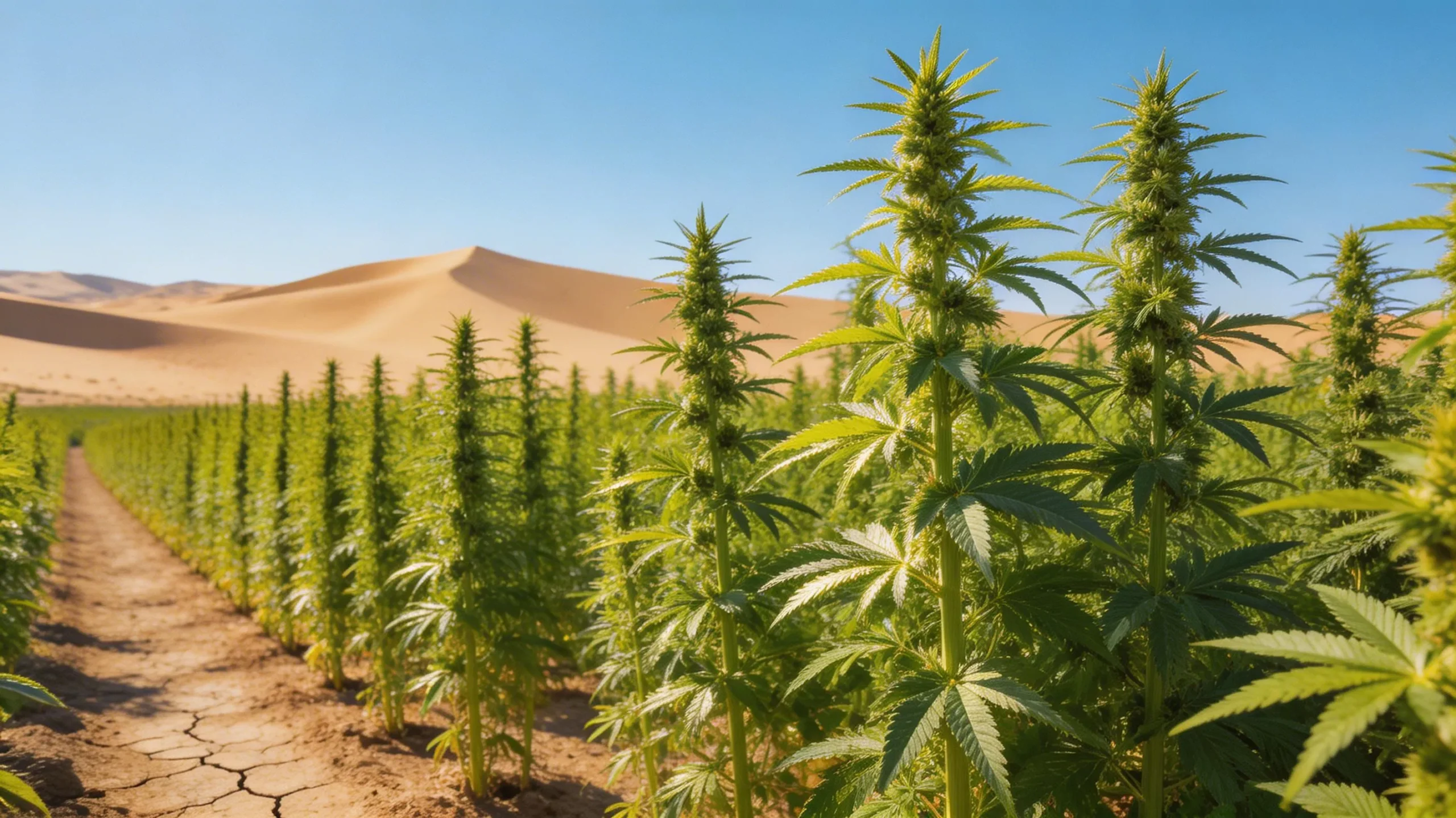
The Growing Demand for Sustainable Materials
Across the world, industries are searching for materials that are more environmentally responsible. Businesses, governments, and manufacturers are increasingly focusing on reducing waste and using renewable resources.
This global shift has led to growing interest in sustainable hemp materials UAE. Hemp is widely recognized for producing strong natural fibers and plant-based raw materials that can support eco-friendly manufacturing.
Because of its versatility and sustainability, hemp is often discussed as part of the future of green industries.
Hemp Fiber as a Sustainable Resource
One of the most widely used hemp materials is fiber.
Hemp fibers come from the outer part of the plant stalk and are known for their durability and strength. These fibers can be used to produce textiles, ropes, upholstery materials, and industrial fabrics.
Compared to some traditional fibers, hemp requires fewer chemical inputs during cultivation and produces strong, long-lasting materials. This is one reason hemp fibers are frequently associated with sustainable manufacturing.
Hemp-Based Construction Materials
Another example of sustainable hemp materials is in construction.
Hemp plant materials can be processed into building products such as hempcrete and natural insulation. Hempcrete is created by mixing hemp hurds with lime to form a lightweight construction material.
These materials are often used in eco-friendly building projects because they rely on renewable plant resources rather than energy-intensive industrial materials.
With the global construction industry focusing more on sustainability, plant-based building materials are becoming more widely studied.
Hemp Packaging and Biodegradable Materials
Hemp fibers can also be used to produce biodegradable packaging materials.
Hemp paper and molded fiber packaging are examples of plant-based alternatives to certain plastic packaging products. These materials can decompose more easily in the environment compared to conventional plastics.
Because of the global effort to reduce plastic waste, sustainable packaging materials made from hemp are gaining attention from manufacturers and environmental researchers.
Plant-Based Oils and Industrial Ingredients
Hemp seeds produce oils that can be used in cosmetics, skincare products, and industrial manufacturing processes.
These plant-based oils are often used in formulations where natural ingredients are preferred. The versatility of hemp seed oil is another reason hemp is considered a valuable plant resource.
From cosmetics to manufacturing, hemp-derived oils continue to appear in many plant-based product formulations worldwide.
Hemp Materials and UAE Regulations
In the UAE, hemp-related materials are regulated under Federal Decree-Law No. 24 of 2025, which governs industrial and medical uses of hemp.
Industrial hemp used in regulated activities must contain extremely low levels of THC, generally below 0.3 percent.
The framework focuses on industrial applications and research activities rather than consumer cannabis markets. Recreational cannabis products remain illegal in the UAE.
Any use of hemp materials must comply with regulatory requirements and government supervision.
A Step Toward Sustainable Industries
The interest in sustainable hemp materials UAE reflects a wider global movement toward renewable and environmentally responsible resources.
Hemp fibers, plant oils, and plant-based materials can support industries such as textiles, construction, packaging, and manufacturing.
As companies continue searching for greener materials, hemp remains one of the plant resources often discussed in connection with sustainable industrial innovation.
Leave a Reply