
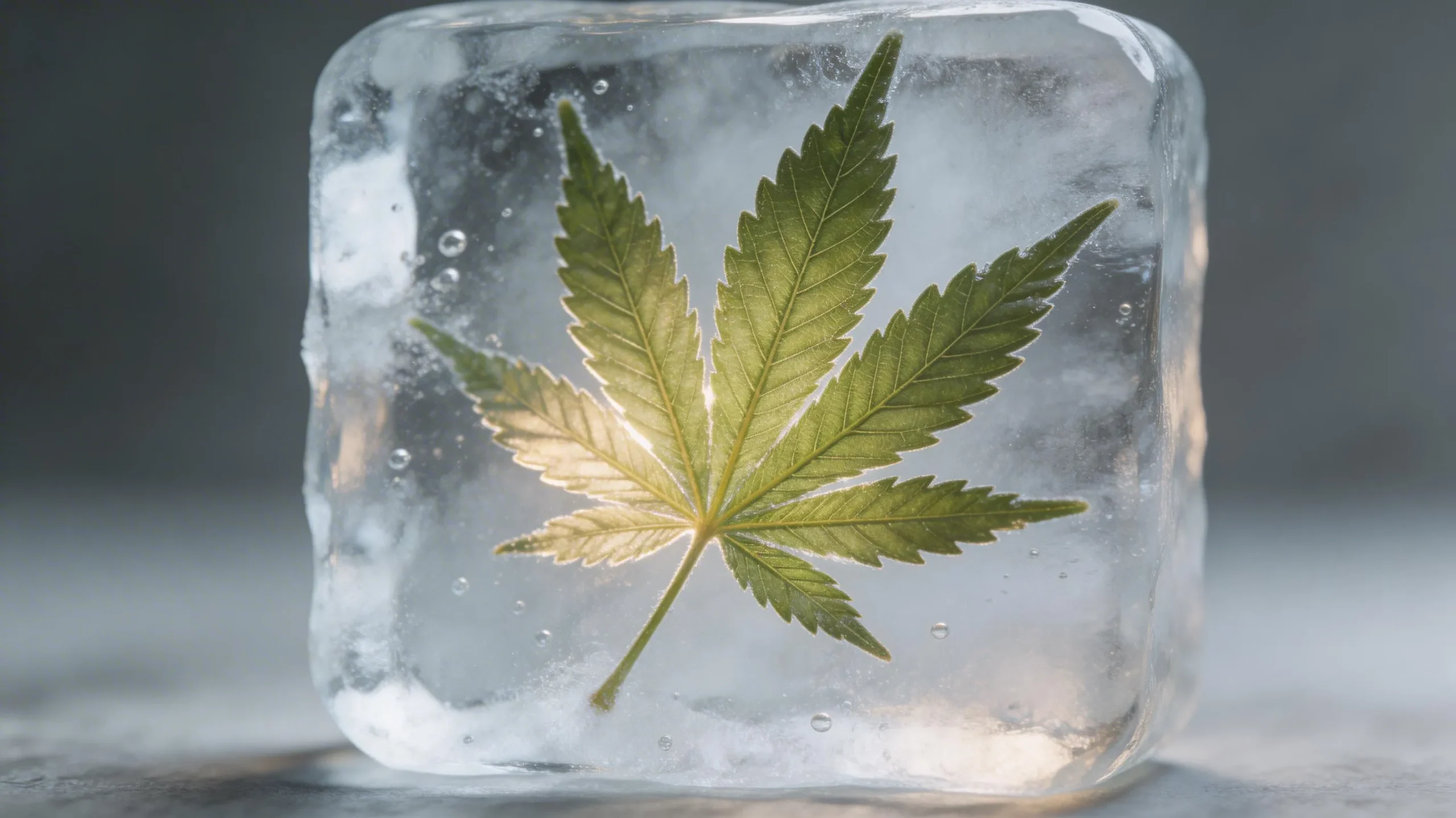
As the global hemp industry continues to grow, many people are asking an important question: Is hemp legal in the UAE?
Hemp is widely used around the world in industries such as textiles, construction materials, cosmetics, and manufacturing. Because of its versatility and environmental benefits, hemp has gained significant attention in recent years.
However, the legal status of hemp varies across countries. Understanding Is hemp legal in the UAE requires looking at the country’s strict drug laws and the regulatory framework introduced through Federal Decree-Law No. 24 of 2025.
What Is Hemp?
Hemp is a variety of the cannabis plant that contains very low levels of THC, the compound responsible for the psychoactive effects associated with marijuana.
Unlike recreational cannabis, hemp is primarily cultivated for industrial purposes. Around the world, hemp is used to produce products such as:
- hemp textiles and fabrics
- biodegradable packaging
- construction materials
- hemp seed oil used in cosmetics
- industrial fibers used in manufacturing
Because hemp contains very low THC levels, it is often regulated differently from marijuana.
Is Hemp Legal in the UAE?
When asking Is hemp legal in the UAE, the answer depends on the type of hemp product and how it is used.
The UAE introduced Federal Decree-Law No. 24 of 2025, which created a regulatory framework for certain industrial and medical uses of hemp-derived compounds.
Under this framework, hemp materials that comply with strict regulatory standards may be used in specific industries and regulated medical applications.
However, hemp products that contain controlled cannabis compounds such as THC remain strictly regulated.
Industrial Hemp vs Cannabis
One of the most important factors when discussing Is hemp legal in the UAE is the difference between industrial hemp and cannabis.
Industrial hemp typically contains 0.3 percent THC or less, which allows it to be used for industrial applications such as textiles, construction materials, and manufacturing.
Cannabis products containing higher levels of THC are classified as controlled substances and are regulated under strict narcotics laws.
This distinction helps authorities regulate hemp-based materials differently from recreational cannabis products.
Medical Hemp-Derived Compounds
The UAE’s updated legal framework also introduced a pathway for certain hemp-derived compounds to be used in regulated medical products.
These medical products must be approved by UAE health authorities and prescribed by licensed medical professionals.
They are distributed through regulated pharmaceutical channels rather than retail markets.
Hemp in Global Industries
Hemp has become an important resource for sustainable industries worldwide. Many companies use hemp as a renewable raw material in sectors such as fashion, construction, packaging, and manufacturing.
The increasing global demand for environmentally friendly materials is one reason why the question Is hemp legal in the UAE is receiving more attention.
Businesses and entrepreneurs are exploring how hemp-based materials may fit into emerging sustainable industries.
What Businesses and Consumers Should Know
Anyone researching Is hemp legal in the UAE should understand that the country maintains strict regulations regarding cannabis-derived substances.
Businesses interested in hemp products must ensure that their products comply with UAE regulations, particularly regarding THC content and product classification.
Consumers should also be aware that not all hemp products available internationally may be permitted under UAE law.
Final Thoughts
The question Is hemp legal in the UAE reflects the growing global interest in hemp as a sustainable and versatile resource.
While the UAE maintains strict control over cannabis-related substances, recent regulatory developments have created limited pathways for certain industrial and medical hemp applications.
Understanding the legal framework surrounding hemp is essential for businesses, researchers, and consumers interested in the evolving hemp industry in the UAE.
Leave a Reply