
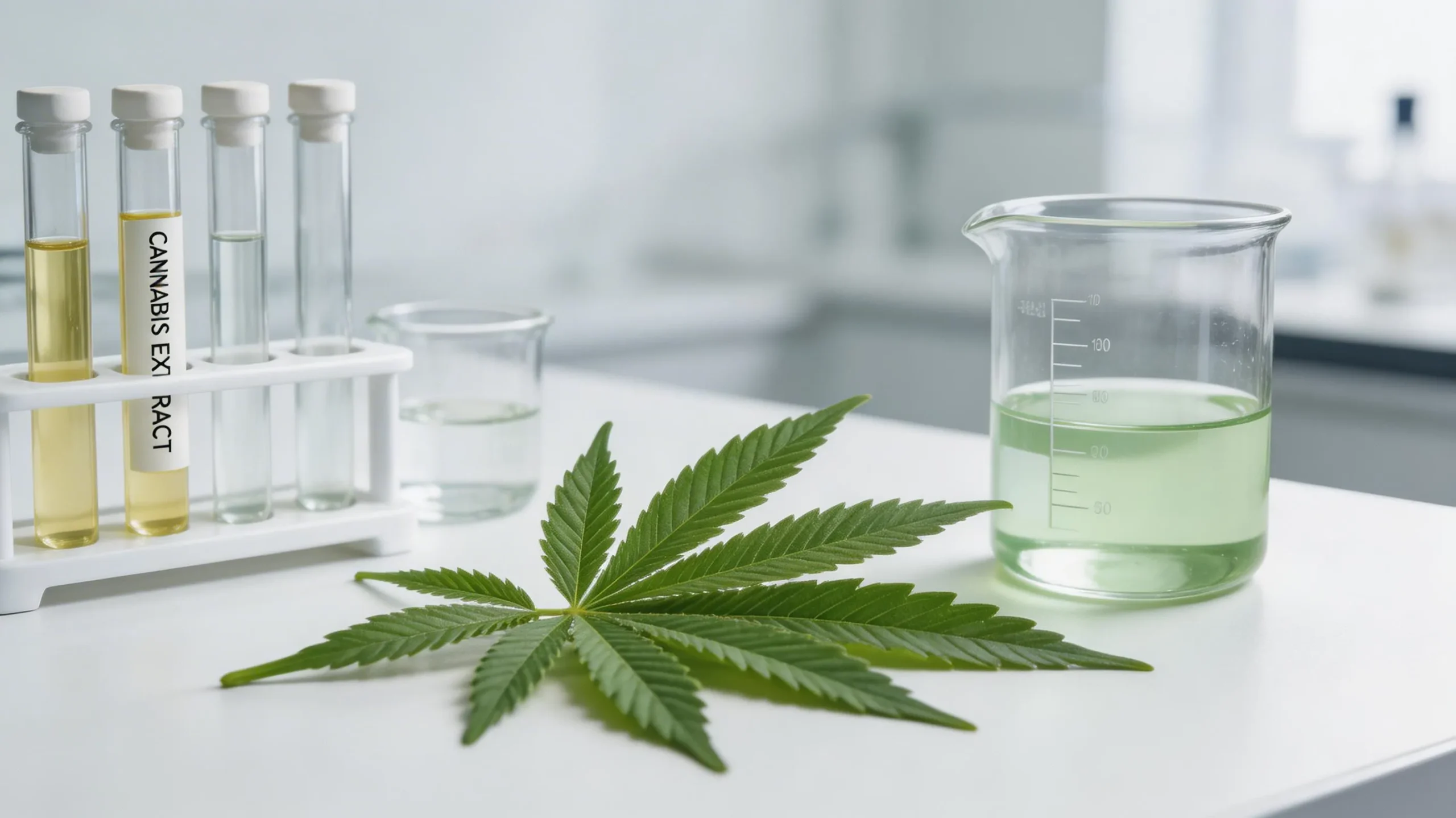
One of the most common questions people ask about cannabis-derived products is “Is CBD legal in the UAE?” With the growing popularity of CBD products worldwide, consumers, patients, and businesses are increasingly curious about the legal status of CBD in the region.
CBD, also known as cannabidiol, is a compound derived from cannabis plants that does not produce the psychoactive effects associated with THC. Because of this, many countries have introduced regulations allowing CBD-based products under certain conditions.
However, understanding whether CBD is legal in the UAE requires a clear understanding of the country’s strict drug laws and the recent regulatory developments introduced through Federal Decree-Law No. 24 of 2025.
What Is CBD?
CBD (cannabidiol) is a naturally occurring compound found in cannabis plants, including hemp. Unlike THC, CBD does not cause intoxication or a “high,” which is why it has gained attention for potential medical and wellness applications.
Globally, CBD is used in several regulated products such as:
- prescription medicines
- skincare products
- health supplements
- wellness formulations
Because of its non-psychoactive properties, CBD has become one of the most widely researched compounds in cannabis science.
Is CBD Legal in the UAE?
When asking “Is CBD legal in the UAE?”, the answer depends on the type of product and its intended use.
Under Federal Decree-Law No. 24 of 2025, the UAE introduced a framework allowing hemp-derived compounds to be used in legally authorized medical products.
This means that certain CBD-based medicines may be permitted under strict pharmaceutical regulation. These products must be approved by UAE health authorities and prescribed by licensed medical professionals.
However, CBD products are not freely available in consumer retail markets.
Medical CBD Access in the UAE
CBD-based medical treatments may be available under controlled healthcare systems.
Access to CBD medicines typically requires:
- prescription from a licensed physician
- approval under regulated medical programs
- dispensing through licensed pharmacies
CBD medicines are also monitored through national healthcare systems to ensure safe and regulated use.
CBD Products in Retail Markets
While medical CBD may be regulated within the healthcare system, CBD wellness products are not widely available through retail channels in the UAE.
Products such as CBD oils, supplements, and edible CBD products are subject to strict regulations. Importing or selling CBD products without proper authorization may violate UAE narcotics laws.
Because of this, businesses and consumers must be extremely careful when dealing with CBD products.
Difference Between CBD and THC
Understanding the difference between CBD and THC is essential when discussing whether CBD is legal in the UAE.
CBD is non-psychoactive and is mainly used in medical or wellness contexts. THC, on the other hand, is the compound responsible for the intoxicating effects of cannabis.
Products containing higher levels of THC remain strictly controlled substances under UAE law.
What This Means for Businesses
Companies interested in cannabis-derived products must carefully study the regulatory framework before entering the UAE market.
Businesses should focus on areas that align with existing regulations, such as:
- industrial hemp materials
- hemp-based cosmetics using hemp seed oil
- pharmaceutical research related to hemp-derived compounds
Understanding the answer to “Is CBD legal in the UAE?” is essential for businesses planning to operate in this sector.
Conclusion
The question “Is CBD legal in the UAE?” does not have a simple yes-or-no answer. While certain CBD-based medical products may be permitted under regulated pharmaceutical systems, CBD products are not widely available through retail markets.
The UAE continues to maintain strict drug control policies while allowing limited pathways for regulated medical use of hemp-derived compounds.
Anyone interested in CBD products in the UAE should carefully review the country’s laws and ensure compliance with local regulations.
Leave a Reply