
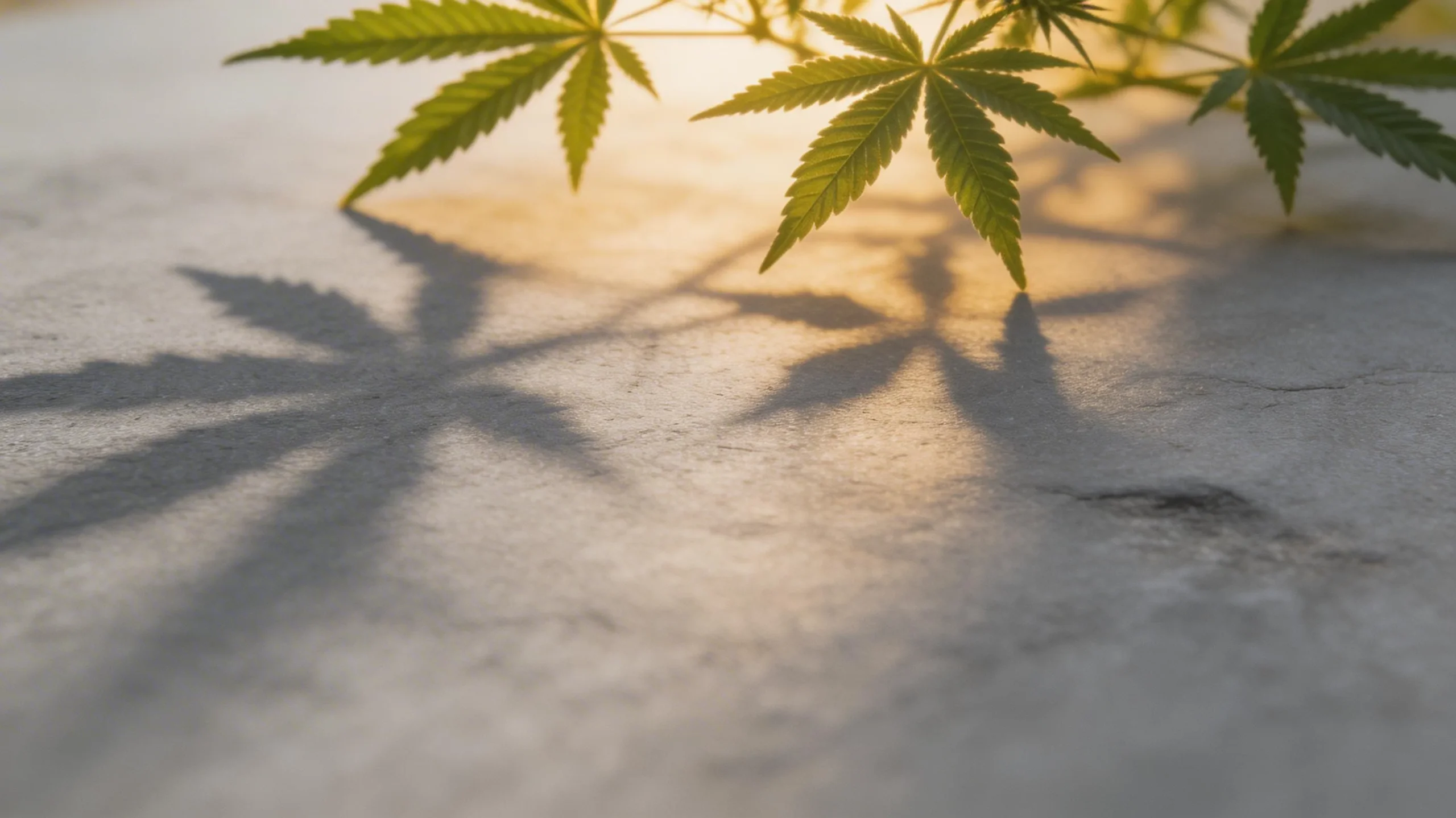
When people hear the word “hemp,” the first thought is rarely about construction, textiles, or industrial use. It’s often associated with wellness or misunderstood because of its connection to cannabis.
But step away from that perception for a moment, and a very different picture emerges.
Hemp is not just a plant, it’s a material. One that has been used for centuries and is now re-entering modern industries with renewed relevance. From eco-friendly fabrics to sustainable building materials, hemp is being explored as a solution to some of today’s biggest challenges.
And in a place like the UAE, where sustainability, innovation, and infrastructure development are key priorities, this conversation becomes even more interesting.
This is where industrial hemp applications UAE come into focus.
Because while the market is still developing, the potential is already visible.
What Is Industrial Hemp? Understanding Its Role
Industrial hemp refers to varieties of the hemp plant that are cultivated specifically for non-psychoactive uses such as fiber, seeds, and raw materials.
Unlike other forms of cannabis, industrial hemp contains very low levels of THC, typically no more than 0.3%. At this level, it has no intoxicating effects and is used purely for functional purposes.
This distinction is important, especially in the UAE, where regulation plays a central role in how hemp is understood and applied.
Industrial hemp is not about wellness trends or lifestyle products, it is about materials, manufacturing, and practical applications.
And this is what makes industrial hemp applications UAE relevant to industries beyond just consumer goods.
Why Industrial Hemp Matters in the UAE Context?
The UAE has positioned itself as a leader in innovation, sustainability, and forward-thinking development. From green building initiatives to eco-friendly infrastructure, the country is actively exploring materials that align with long-term environmental goals.
This is where hemp fits naturally.
Hemp requires fewer resources compared to traditional crops. It grows efficiently, uses less water, and contributes to soil health. Its versatility allows it to be used in multiple industries without creating excessive environmental impact.
In the context of industrial hemp applications UAE, this makes hemp more than just an alternative, it makes it a potential solution.
Hemp in Textiles: A Sustainable Alternative to Conventional Fabrics
One of the most established uses of industrial hemp is in textiles.
Hemp fabric is known for its durability, breathability, and natural resistance to wear. Unlike synthetic materials, it is biodegradable and has a lower environmental footprint.
In the UAE, where the fashion and retail sectors are evolving toward sustainability, hemp textiles present an opportunity to introduce eco-friendly alternatives without compromising on quality.
Hemp clothing is not just about sustainability, it is also about functionality. The fabric adapts well to different climates, making it suitable for regions with varying temperatures.
This makes textiles one of the most accessible areas within industrial hemp applications UAE, especially as awareness around sustainable fashion continues to grow.
Hemp in Construction: Building with Sustainability in Mind
One of the most innovative uses of hemp is in construction.
Hemp-based materials, such as hempcrete, are gaining attention globally as sustainable building solutions. Hempcrete is a lightweight, breathable material made from hemp fibers and lime. It offers insulation, durability, and reduced environmental impact compared to traditional construction materials.
In the UAE, where large-scale infrastructure projects are common, integrating sustainable materials is becoming increasingly important.
While the use of hemp in construction is still emerging in the region, the concept aligns strongly with national sustainability goals. As the focus on green buildings continues to grow, hemp-based materials could become part of future developments.
This highlights the long-term potential of industrial hemp applications UAE beyond traditional industries.
Hemp in Packaging: Moving Toward Eco-Friendly Solutions
Packaging is another area where hemp is making an impact.
With increasing concerns about plastic waste and environmental sustainability, businesses are looking for alternatives that are both functional and eco-friendly.
Hemp can be used to create biodegradable packaging materials that reduce environmental impact while maintaining durability.
In the UAE, where sustainability initiatives are gaining momentum, this application becomes particularly relevant. Businesses that adopt hemp-based packaging can align with both environmental goals and consumer expectations.
This makes packaging a growing segment within industrial hemp applications UAE.
Hemp in Paper and Industrial Materials
Hemp has also been used historically in paper production.
Compared to traditional wood-based paper, hemp paper requires fewer chemicals and has a longer lifespan. It is also more sustainable, as hemp grows faster than trees.
In industrial applications, hemp fibers can be used in composite materials, automotive components, and other manufacturing processes.
While these applications are still developing in the UAE, they represent an area of potential growth as industries explore alternative materials.
This further expands the scope of industrial hemp applications UAE, showing that hemp is not limited to a single use, it is a multi-industry resource.
Regulatory Considerations in the UAE
While the potential of industrial hemp is clear, it is important to understand the regulatory environment in the UAE.
Hemp products are not evaluated as a single category. Instead, they are assessed based on their composition and intended use.
Products derived from hemp that do not contain cannabinoids, such as fiber and industrial materials, are generally more straightforward in terms of regulation.
However, any product involving cannabinoids is subject to stricter evaluation.
This means that the growth of industrial hemp applications UAE is shaped not just by demand, but by compliance.
Understanding this framework is essential for businesses looking to explore opportunities in this space.
Challenges in Expanding Industrial Hemp Applications
Despite its potential, the expansion of industrial hemp applications in the UAE comes with challenges.
One of the main challenges is awareness. Many people still associate hemp with cannabis, which can create hesitation.
Another challenge is the regulatory process. Businesses must ensure that their products meet all local requirements, which can involve detailed approvals.
Supply chain considerations also play a role. Since hemp is not widely cultivated in the region, sourcing materials requires international coordination.
These challenges do not limit the potential of industrial hemp applications UAE, but they do shape how quickly the industry can grow.
The Future of Industrial Hemp in the UAE
Looking ahead, the future of industrial hemp in the UAE appears promising.
As sustainability becomes a central focus, materials like hemp are likely to gain more attention. The combination of environmental benefits, versatility, and global momentum creates a strong foundation for growth.
At the same time, regulatory frameworks may continue to evolve, allowing for more structured integration of hemp into various industries.
The key factor will be awareness.
As people begin to understand what hemp is and how it can be used, the conversation will shift from uncertainty to opportunity.
And this shift will define the future of industrial hemp applications UAE.
Conclusion: A Material with More Potential Than Perception
So, what do industrial hemp applications UAE really represent?
They represent a shift in how materials are viewed. A move toward sustainability, efficiency, and long-term thinking.
Hemp is not just an alternative, it is a resource with the potential to support multiple industries in meaningful ways.
In the UAE, this potential is still unfolding. But the direction is clear.
Because sometimes, the most impactful materials are not the ones that dominate headlines, they are the ones that quietly fit into the future.
Leave a Reply