
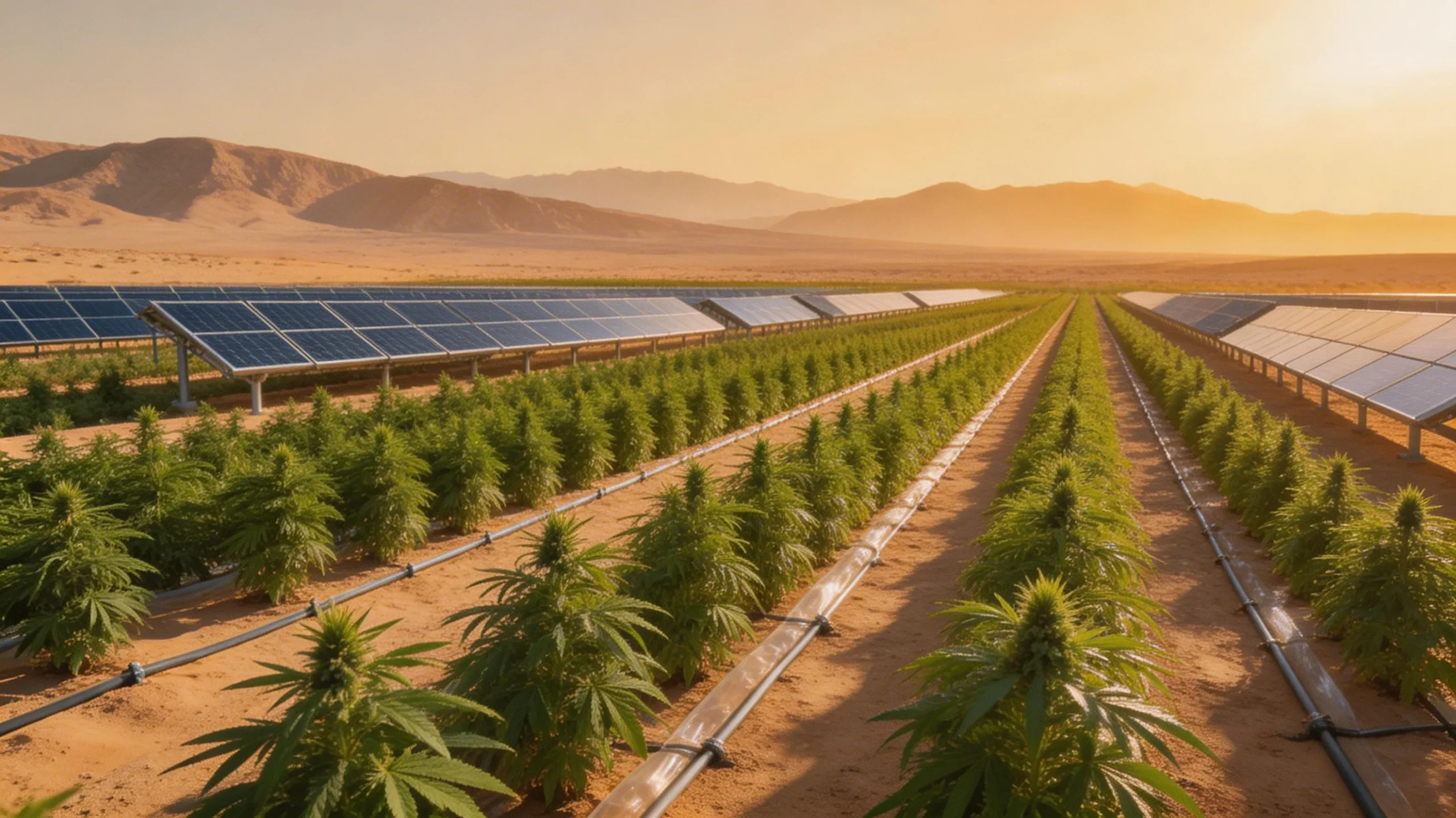
Hemp is quietly becoming a part of everyday life.
You might not realize it at first, but it’s already around you, hidden in ingredient lists, woven into fabrics, and present in conversations about sustainability and wellness. Globally, hemp is no longer seen as something niche or misunderstood. It is being repositioned as a functional, versatile, and environmentally conscious material.
But in the UAE, the conversation is slightly different.
Here, awareness is growing, but it is still developing. And that’s why understanding hemp uses in the UAE becomes important. Because, unlike global markets where hemp is widely accepted, in the UAE, its use is shaped by structure, regulation, and clarity.
So instead of assumptions, let’s break it down properly.
Where is hemp actually used in the UAE?
How does it fit into everyday life?
And why is it gaining attention now?
Understanding Hemp Before Its Uses
Before exploring applications, it’s important to understand what hemp really is.
Hemp is a variety of the cannabis plant that contains very low levels of THC, typically 0.3% or less. At this level, it is considered non-psychoactive, meaning it does not produce a “high” or alter mental state.
This distinction is critical, especially in the UAE, where substances are evaluated carefully.
Hemp is not used for intoxication.
It is used for functionality and versatility.
And that is exactly why it appears across multiple industries, from food to textiles to wellness.
Hemp in Food: One of the Most Common Hemp Uses in the UAE
One of the most practical and widely accepted hemp uses in the UAE is in food.
Hemp seeds, in particular, are gaining recognition for their nutritional value. They are rich in protein, essential fatty acids, vitamins, and minerals, making them a strong addition to modern, health-focused diets.
What makes hemp seeds especially relevant is what they don’t contain.
They contain negligible to zero THC, meaning they have no connection to psychoactive effects. They are simply a food ingredient, nothing more, nothing less.
In the UAE, where consumers are increasingly focused on clean eating and plant-based nutrition, hemp-based food products are slowly finding their place. They align with global wellness trends while still fitting within regulatory frameworks when properly approved.
This makes hemp food products one of the most straightforward and accepted applications in the region.
Hemp in Clothing: Sustainable Fashion Enters the UAE
Another important area among hemp uses in the UAE is clothing and textiles.
Globally, hemp is known as one of the most sustainable fabrics available. It requires less water than cotton, grows faster, and produces strong, durable fibers.
These qualities make hemp fabric:
- Breathable
- Long-lasting
- Environmentally friendly
In the UAE, sustainability is becoming a growing focus, especially in fashion and lifestyle industries. As a result, hemp clothing is gradually gaining visibility.
What makes this category even more significant is that hemp textiles are derived from the plant’s stalk, which does not contain cannabinoids like THC or CBD.
This means hemp clothing is treated as a material, not a controlled substance.
In simple terms:
Hemp clothing is one of the clearest, safest, and least complicated hemp applications in the UAE.
Hemp in Wellness: A More Regulated Space
When it comes to wellness, hemp enters a more nuanced and carefully regulated space.
Globally, hemp-derived ingredients are widely used in skincare, supplements, and wellness products. These are often associated with relaxation, balance, and overall well-being.
However, in the UAE, not all wellness products are treated the same.
Some hemp-based skincare products, especially those using hemp seed oil, are more straightforward, as they do not involve cannabinoids.
But products involving compounds like CBD are subject to stricter control.
CBD is non-psychoactive, but it is still derived from cannabis. This means its use is typically limited to approved medical contexts in the UAE.
So while wellness is one of the growing hemp uses in the UAE, it is also the category that requires the most awareness and understanding.
The Role of THC in Defining Hemp Uses
Across all categories, food, clothing, and wellness, one factor plays a central role:
THC.
THC is the compound responsible for psychoactive effects, and it is also the primary reason cannabis-related substances are regulated.
Even though hemp contains ≤ 0.3% THC, its presence still matters in how products are classified.
In the UAE, products are evaluated based on:
- THC content
- Product composition
- Intended use
- Regulatory compliance
This means that hemp uses are not defined by the plant alone, but by what the product contains and how it is used.
Why Hemp Uses in the UAE Are Different from Global Markets?
Globally, hemp is widely accepted across industries.
In many countries, it is freely used in food, wellness, and even supplements.
But the UAE follows a more structured approach.
Here, the focus is on:
- Safety
- Compliance
- Clear classification
This creates a system where hemp is not rejected, but it is carefully evaluated.
And this is what makes hemp use in the UAE different.
They are not driven by trends alone.
They are shaped by regulation and awareness.
The Growing Awareness Around Hemp
One of the most important shifts happening in the UAE is awareness.
Consumers are becoming more curious. They are asking questions, reading labels, and trying to understand what they are using.
This shift is important.
Because hemp is not something that can be understood through assumptions.
It requires clarity.
And as awareness grows, so does the understanding of:
- What hemp is
- What it contains
- Where it fits
This is what will ultimately define how hemp evolves in the UAE.
Future Potential: Where Hemp Uses in the UAE Are Headed
Looking ahead, hemp uses in the UAE are expected to grow, but in a measured and structured way.
Not rapidly.
Not loosely.
But steadily.
As sustainability becomes more important, hemp-based textiles and materials may gain more visibility.
As wellness evolves, there may be more structured discussions around hemp-derived ingredients.
And as awareness improves, consumers will be better equipped to make informed choices.
The future of hemp in the UAE will not be driven by hype.
It will be driven by clarity and compliance.
Conclusion: A Material That Makes Sense When You Understand It
So, what are the real hemp uses in the UAE?
They exist across three main areas:
Food, where hemp seeds provide nutritional value
Clothing, where hemp offers sustainable textile solutions
Wellness, where hemp plays a role within regulated boundaries
Each of these uses reflects a different aspect of hemp’s versatility.
But more importantly, they reflect how hemp fits into the UAE’s system.
Not as a trend.
Not as a controversy.
But as a material that, when understood properly, simply makes sense.
And once that understanding is in place, everything becomes clearer.
Leave a Reply