
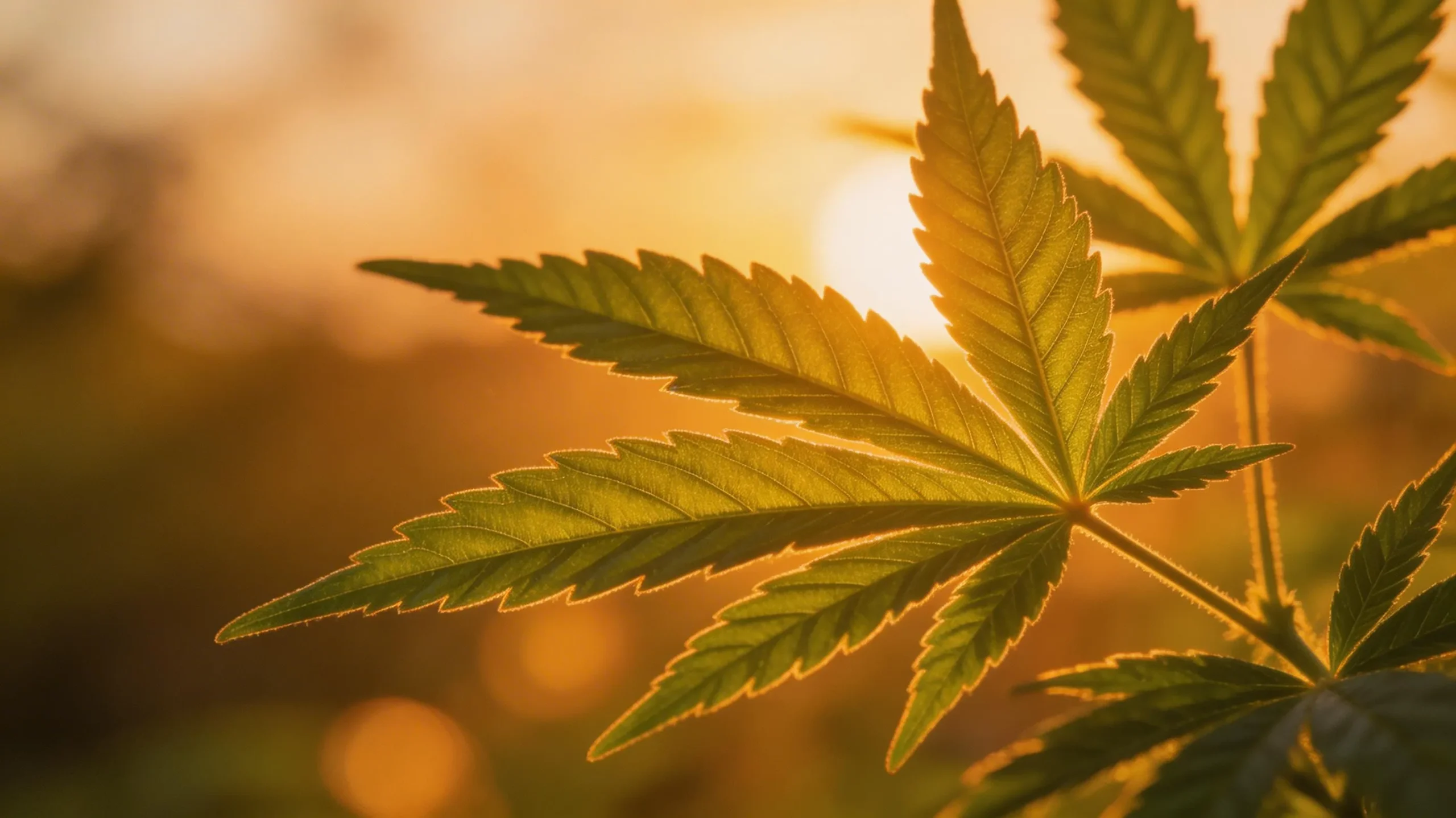
Not every material has the ability to influence an economy.
Some remain limited to specific uses, confined to one industry or one purpose. But others, those that are versatile, adaptable, and capable of connecting multiple sectors, have the potential to become part of something much larger.
Hemp is one of those materials.
Globally, it is no longer viewed as just a plant. It is being seen as a resource that can contribute to industries ranging from textiles to construction to wellness. As economies begin to shift toward sustainability and innovation, materials like hemp naturally enter the conversation.
In the UAE, where economic growth is closely tied to diversification and forward-thinking strategies, this question becomes particularly relevant:
How can hemp support the economy?
Understanding hemp UAE economy is not about positioning hemp as a dominant force. It is about exploring how it can contribute to an already dynamic and evolving economic system.
The UAE Economy: Built on Diversification and Innovation
The UAE economy is not dependent on a single sector.
Over time, it has evolved into a diversified system that includes trade, tourism, technology, construction, and emerging industries. This diversification is intentional.
It reflects a long-term vision of creating an economy that is resilient, adaptable, and capable of evolving with global trends.
Within this framework, new materials and industries are constantly being explored.
Hemp fits into this environment as a potential contributor.
Not as a replacement for existing industries, but as an addition.
Industrial Versatility: One Material, Multiple Sectors
One of the key reasons hemp is relevant to the economy is its versatility.
It can be used across multiple industries, including:
Textiles and fashion
Skincare and personal care
Food products
Construction materials
This multi-sector presence means that hemp is not limited to a single economic category.
It can contribute to different parts of the economy simultaneously.
This interconnected potential aligns with the UAE’s approach to building industries that support each other.
Textile and Fashion Industry Contributions
Fashion is a significant part of the UAE’s consumer market.
With a strong retail presence and global brand influence, the industry continues to evolve.
Hemp textiles offer an alternative material within this space.
They introduce a different kind of fabric, one that is durable, breathable, and adaptable to climate conditions.
As brands explore new materials, hemp can become part of product lines that cater to changing consumer preferences.
This contributes to the economy by expanding product diversity and supporting innovation in design.
Skincare and Wellness Market Growth
The UAE has a growing market for skincare and wellness products.
Consumers are becoming more aware of ingredients and formulations, leading to increased interest in plant-based options.
Hemp seed oil is already present in some skincare products, offering a familiar entry point into the market.
As awareness grows, this segment may expand further.
This contributes to the economy by supporting product development, retail growth, and consumer engagement.
Food Industry and Lifestyle Products
Hemp also appears in the food sector, particularly in the form of seeds and oils.
These products are integrated into existing categories rather than forming a separate market.
This integration allows hemp to contribute to the food industry without requiring structural changes.
It becomes part of everyday consumption patterns.
This subtle presence supports economic activity by adding variety and expanding product offerings.
Construction and Material Innovation
Beyond consumer products, hemp has potential in construction and material innovation.
Globally, it is being explored as part of alternative building materials.
In the UAE, where construction is a major economic driver, introducing new materials requires careful evaluation.
Hemp-based materials, if aligned with building standards, could contribute to innovation in this sector.
This would expand its economic role beyond consumer markets.
Trade and Import Opportunities
The UAE is a global trade hub.
Materials and products move in and out of the country as part of a complex supply chain system.
Hemp-based products can become part of this system.
Imports of hemp-derived goods, such as textiles and skincare products, contribute to trade activity.
Over time, as the market develops, there may also be opportunities for export.
This trade activity supports economic growth by connecting local markets with global industries.
Entrepreneurship and New Business Opportunities
Emerging industries create opportunities for entrepreneurs.
As hemp becomes more visible in the UAE, businesses may explore new ways to engage with it.
This could include:
Developing hemp-based product lines
Creating niche brands
Exploring material innovation
Building distribution networks
Entrepreneurs who understand the market and align with regulatory frameworks can play a role in shaping this space.
This contributes to the economy by encouraging innovation and business growth.
Consumer Awareness as an Economic Driver
Economic growth is not driven by products alone.
It is driven by demand.
And demand is shaped by awareness.
As consumers learn more about hemp and its applications, their interest grows.
They begin to notice products, explore options, and integrate them into their routines.
This awareness creates demand, which in turn supports economic activity.
The Role of Sustainability in Economic Growth
Sustainability is becoming a key factor in economic development.
In the UAE, this is reflected in initiatives that focus on efficient resource use and long-term growth.
Hemp aligns with this direction.
It offers a material that can be integrated into industries that are evolving toward sustainability.
This alignment strengthens its economic relevance.
Challenges That Shape Economic Contribution
While hemp has potential, its role in the economy is shaped by challenges.
Regulatory alignment is one of the most important factors.
Businesses need to operate within defined frameworks, which requires clarity and planning.
Supply chains also need to be established.
Awareness needs to continue growing.
These challenges do not limit economic contribution.
They define how it develops.
The Bigger Picture: A Supporting Role in a Larger System
When looking at the UAE economy as a whole, it becomes clear that no single material defines it.
It is a system made up of multiple industries, each contributing in different ways.
Hemp fits into this system as a supporting element.
It adds value.
It expands possibilities.
It contributes without dominating.
Conclusion: A Material That Supports, Not Defines
So, how does hemp support the UAE economy?
By contributing across industries.
By enabling innovation.
By expanding product diversity.
This is what defines hemp UAE economy.
Not as a central force, but as a meaningful addition to a dynamic system.
Because in the UAE, economic growth is not about one idea.
It is about how multiple ideas come together to create something bigger.
Leave a Reply