
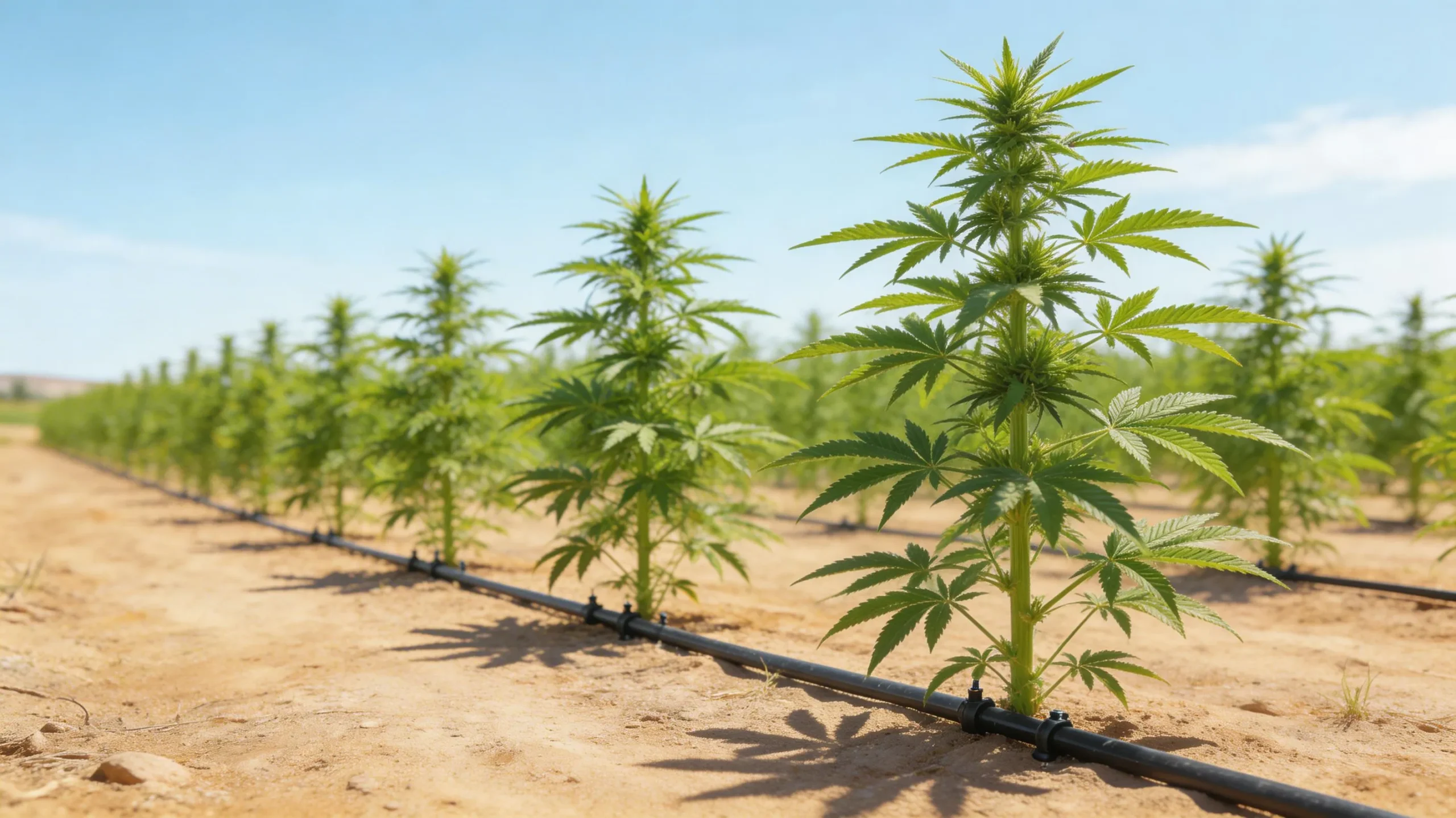
A Fabric With a Long History
Hemp is one of the oldest textile fibers used by humans. Thousands of years ago, hemp fibers were spun into ropes, fabrics, and sails because of their strength and durability.
Today, hemp textiles are making a strong comeback. As fashion brands search for sustainable materials, hemp fabric is becoming an attractive alternative to traditional textiles.
This global shift toward eco-friendly fabrics has also sparked conversations about hemp textiles UAE, especially in industries interested in sustainable materials and manufacturing.
Why Hemp Fabric Is Different
Hemp fabric is produced from fibers extracted from the stalk of the hemp plant. These fibers are known for their strength, breathability, and long lifespan.
Unlike some traditional textile crops, hemp can grow with relatively low water usage and fewer pesticides. Because of this, it is often considered a more environmentally responsible material.
Hemp textiles also become softer over time while maintaining durability, which makes them suitable for clothing and everyday fabrics.
Hemp in the Global Fashion Industry
Many international fashion brands are experimenting with hemp fabrics as part of sustainable clothing collections.
Hemp can be blended with materials such as cotton or other natural fibers to create comfortable fabrics for shirts, pants, jackets, and accessories.
Beyond clothing, hemp textiles are also used in home furnishings such as upholstery, curtains, and decorative fabrics.
Because of their durability and natural appearance, hemp fabrics are gaining popularity among brands that focus on eco-friendly production.
Industrial Uses of Hemp Textiles
Hemp textiles are not limited to fashion. The fibers can also be used in industrial materials.
Some manufacturers use hemp fabrics in upholstery, bags, and technical textiles. Hemp fibers are also used in certain composite materials where natural fibers are combined with modern manufacturing techniques.
These applications show how hemp textiles can support both fashion and industrial production.
Hemp Textile Regulations in the UAE
In the UAE, hemp-related materials fall under Federal Decree-Law No. 24 of 2025, which regulates industrial and medical uses of hemp.
Industrial hemp used in regulated activities must contain extremely low levels of THC, generally below 0.3 percent.
The framework focuses on industrial and research activities rather than consumer cannabis markets. Recreational cannabis products remain illegal in the UAE.
Because of this regulatory environment, hemp textiles would be treated primarily as industrial materials within regulated systems.
The Sustainability Factor
One of the main reasons hemp textiles are receiving attention globally is sustainability.
The hemp plant grows quickly, produces strong fibers, and can support multiple industrial applications. As environmental concerns continue to shape manufacturing and fashion industries, hemp textiles are increasingly seen as part of the shift toward greener materials.
Countries exploring sustainable manufacturing often consider hemp fibers an interesting resource.
Final Thoughts
The discussion around hemp textiles UAE reflects a broader global trend toward sustainable fabrics and plant-based materials.
Hemp fibers have been used for centuries and continue to offer strength, durability, and environmental advantages in textile production.
While hemp-related activities in the UAE operate within a regulated framework, the global demand for hemp fabrics shows how this natural material remains relevant in modern industries.
Leave a Reply