
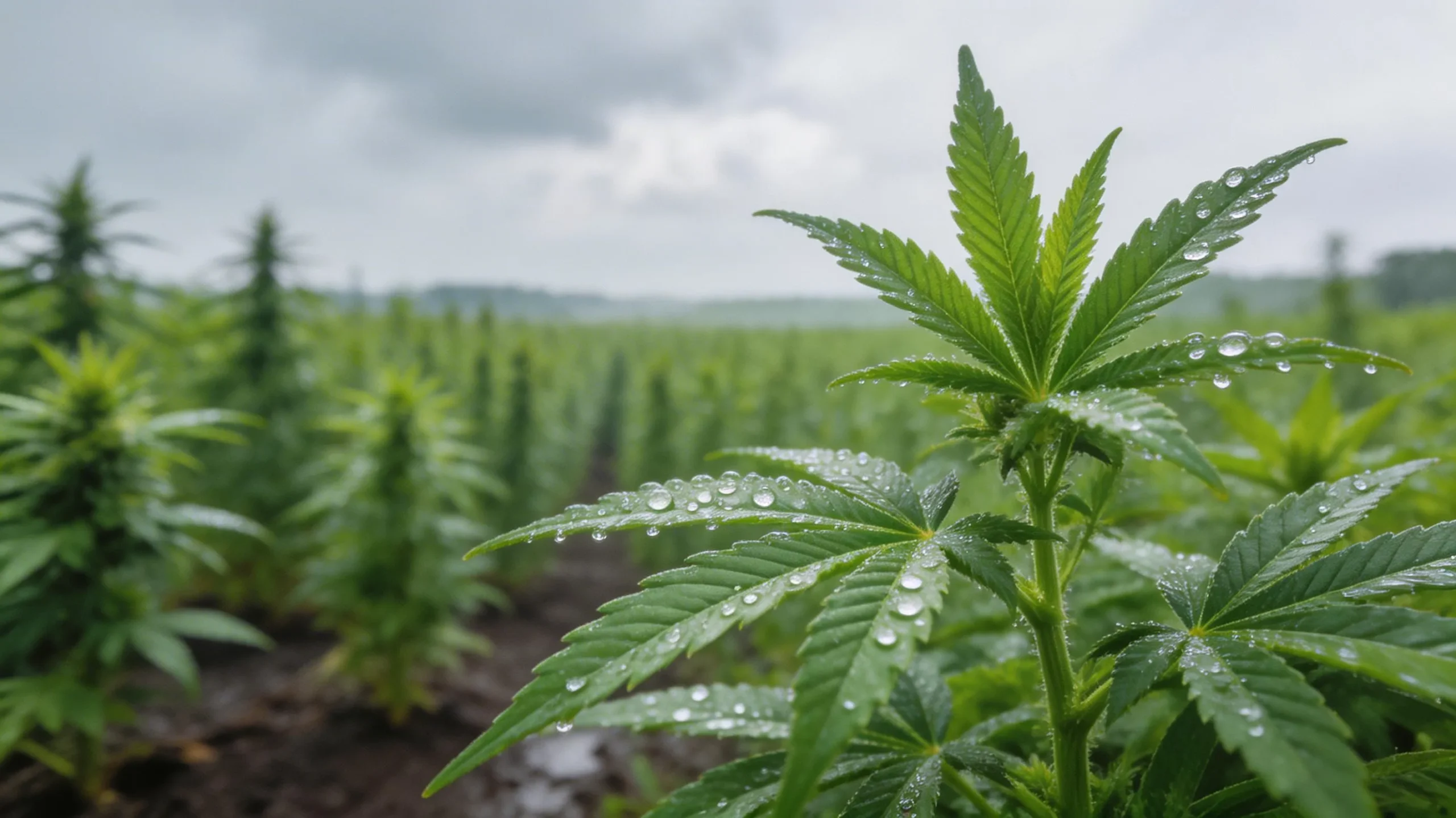
The textile industry is one of the oldest sectors where hemp has been used as a raw material. For centuries, hemp fibers were widely used to produce clothing, ropes, and durable fabrics. Today, modern technology has brought renewed interest to the Hemp Textile Industry as companies search for sustainable alternatives to conventional fabrics.
Many global fashion brands are exploring hemp fabrics because of their durability, breathability, and environmental benefits. As sustainability becomes a major focus in the fashion industry, the Hemp Textile Industry is gaining attention from designers, manufacturers, and researchers.
Understanding how hemp fibers are used in textile production helps explain why hemp is considered one of the most promising materials in sustainable fashion.
What Are Hemp Textiles?
Hemp textiles are fabrics made from fibers extracted from the stalk of the hemp plant. These fibers are processed into yarn and woven into cloth, much like cotton or linen.
In the Hemp Textile Industry, hemp fibers are valued because they are naturally strong and resistant to wear. Historically, hemp fabrics were used for sails, ropes, and durable clothing due to their strength.
Today, hemp textiles are used to produce a variety of products, including clothing, home fabrics, and accessories.
Environmental Benefits of Hemp Fabrics
One of the main reasons the Hemp Textile Industry is expanding is the environmental benefits of hemp cultivation.
Hemp plants grow quickly and generally require fewer agricultural inputs compared to many traditional fiber crops. The plant also produces strong fibers that can be used in multiple textile applications.
Because of these characteristics, hemp fabrics are often considered a more sustainable option in the fashion industry.
Hemp vs Cotton in Textile Production
A common discussion within the Hemp Textile Industry compares hemp fibers with cotton fibers.
Cotton has long been the dominant textile crop worldwide, but it often requires large amounts of water and agricultural resources.
Hemp fibers, on the other hand, are known for their durability and natural strength. Some textile manufacturers explore hemp as an alternative fiber that can complement or replace traditional fabrics.
Blended fabrics combining hemp and cotton are also becoming more common in modern clothing production.
Modern Applications of Hemp Textiles
The Hemp Textile Industry today includes a wide range of applications beyond traditional clothing.
Some modern uses of hemp textiles include:
- eco-friendly clothing and fashion apparel
- sustainable footwear materials
- bags and accessories
- upholstery fabrics
- home textiles such as curtains and bedding
These applications demonstrate the versatility of hemp fibers in textile manufacturing.
Growing Interest in Sustainable Fashion
The global movement toward sustainable fashion has contributed significantly to the growth of the Hemp Textile Industry.
Consumers are becoming more aware of environmental issues and are increasingly interested in clothing made from natural and renewable materials.
Because hemp fibers are durable and biodegradable, many sustainable fashion brands are incorporating hemp fabrics into their collections.
Conclusion
The Hemp Textile Industry is experiencing renewed attention as the fashion sector explores environmentally responsible materials. Hemp fibers offer durability, versatility, and sustainability, making them attractive for modern textile production.
As the global focus on sustainable materials continues to grow, hemp textiles may play an increasingly important role in the future of the fashion industry.
Leave a Reply