
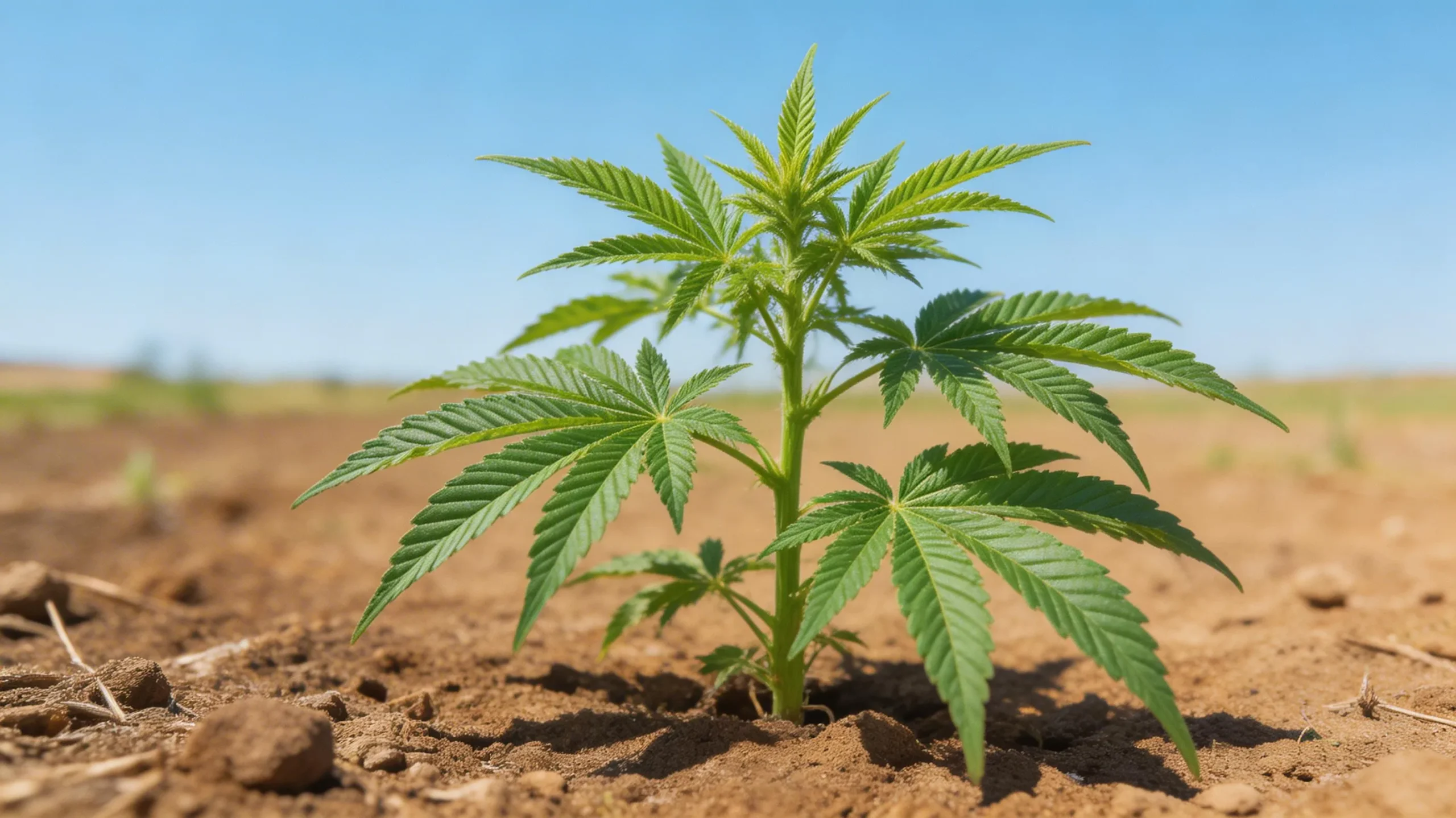
Desert climates don’t forgive easily.
They don’t adapt to what you use, you adapt to them.
From intense sunlight and high daytime temperatures to dry air and sudden drops in temperature at night, deserts create one of the most demanding environments for any material. Whether it’s clothing, construction, or everyday products, everything is tested against extremes.
And this is where a new question is beginning to emerge:
Can natural materials like hemp actually perform in such conditions?
It’s an interesting shift in thinking. Instead of just asking whether something is sustainable or durable, people are asking whether it can truly adapt.
This is where the conversation around hemp materials desert climate begins.
Because in a place like the UAE and other desert regions, materials are not just used, they are relied upon.
Understanding Desert Climates: More Than Just Heat
When people think of deserts, they often think of heat.
But desert climates are more complex than that.
They involve:
High daytime temperatures
Low humidity
Intense solar radiation
Cooler nights
Dust and dry air
This combination creates a unique set of challenges.
Materials must be able to handle both extremes, heat during the day and cooling at night. They must resist degradation from sunlight while maintaining comfort and functionality.
This is why not every material works well in desert environments.
What Makes Hemp a Versatile Material?
Hemp has been used for centuries across different regions and climates.
It is known for its strength, adaptability, and natural composition. Derived from the fibers of the hemp plant, it is used in textiles, construction materials, packaging, and more.
What makes hemp interesting is not just its sustainability, it’s its versatility.
It doesn’t behave like a single-purpose material. It adapts depending on how it is processed and used.
This flexibility is what makes it worth exploring in desert conditions.
Temperature Regulation: A Natural Advantage
One of the most important qualities of any material in a desert climate is how it handles temperature.
Hemp has natural insulating properties.
In textiles, it helps regulate body temperature by allowing heat to escape while still providing a layer of protection from direct sunlight.
In construction, hemp-based materials such as hempcrete offer thermal insulation. They help maintain stable indoor temperatures by reducing heat transfer.
This ability to balance heat is a key reason why hemp materials desert climate is becoming a topic of interest.
Because in extreme conditions, balance matters more than anything else.
Breathability in Dry and Hot Conditions
Breathability is often associated with humid climates, but it is just as important in dry heat.
In desert environments, the air may be dry, but the heat is intense. Materials that trap heat can quickly become uncomfortable or inefficient.
Hemp allows air to move through it naturally.
In clothing, this creates a cooling effect by preventing heat buildup. In other applications, it helps maintain airflow and reduces the feeling of heaviness.
This makes hemp suitable for environments where airflow is essential.
Resistance to Sun Exposure
Desert climates come with prolonged exposure to sunlight.
UV radiation can degrade many materials over time, causing them to weaken, fade, or lose their structure.
Hemp is naturally resistant to wear and tear, including the effects of sunlight.
While no material is completely immune to long-term exposure, hemp’s durability allows it to maintain its integrity longer than many alternatives.
This makes it a practical choice for applications where exposure is unavoidable.
Moisture Management in Low-Humidity Environments
Desert climates are known for their low humidity.
At first, this might seem like an advantage, but it creates its own challenges.
Materials need to be managed efficiently, not just from the environment, but from human use.
Hemp has the ability to absorb and release moisture without becoming damaged or uncomfortable.
In textiles, this helps maintain comfort. In construction, it contributes to a balanced indoor environment.
This adaptability adds another layer to how hemp materials desert climate can function effectively.
Durability in Harsh Conditions
Desert environments are not gentle.
Dust, dryness, and constant exposure to elements can wear down materials quickly.
Hemp’s natural strength makes it resistant to these conditions.
It does not degrade easily, and it maintains its structure over time. This durability reduces the need for frequent replacement, making it both practical and sustainable.
Hemp in Construction: A Desert Perspective
One of the most interesting applications of hemp in desert climates is in construction.
Hempcrete, a material made from hemp fibers and lime, is gaining attention for its insulating properties.
In hot climates, it helps keep interiors cooler by reducing heat transfer. At night, it retains some warmth, creating a more balanced indoor temperature.
This dual functionality makes it suitable for environments with temperature fluctuations.
While still emerging in many regions, this application highlights the broader potential of hemp.
Hemp in Textiles: Comfort in Everyday Life
In clothing, hemp offers a different kind of comfort.
It does not rely on artificial cooling or synthetic treatments. Instead, it works with the body and the environment.
It allows air to circulate, manages heat, and provides a structured fit that prevents cling.
In desert climates, where comfort is closely tied to airflow and temperature regulation, this becomes highly relevant.
Comparing Hemp with Other Materials
To fully understand hemp’s role, it helps to compare it with other commonly used materials.
Synthetic fabrics often trap heat and do not allow sufficient airflow.
Cotton is breathable but can wear out more quickly and may not offer the same level of durability.
Linen is lightweight and breathable, but can be delicate and less long-lasting.
Hemp combines several advantages:
Breathability
Durability
Moisture management
Thermal balance
This combination makes it well-suited for challenging environments.
The Role of Sustainability in Desert Regions
Desert regions often face resource limitations, particularly when it comes to water and sustainable materials.
Hemp requires less water to grow compared to many traditional crops. It also contributes to soil health and can be used in multiple industries.
This makes it not just a functional material, but a sustainable one.
In regions like the UAE, where sustainability is becoming a priority, this adds to its relevance.
The Bigger Picture: Materials That Adapt, Not Resist
When you step back, it becomes clear that the future of materials is not about resistance; it is about adaptation.
The best materials are not those that fight the environment, but those that work with it.
Hemp fits into this category.
It adapts to heat, manages airflow, and maintains durability under pressure.
Conclusion: A Natural Fit for Extreme Conditions
So, can hemp materials adapt to desert climates?
Yes, when you look at how they perform, they align naturally with the demands of such environments.
They regulate temperature, allow airflow, resist wear, and maintain balance across changing conditions.
They are not a perfect solution for every use case, but they offer a strong, adaptable option for many.
And in a climate where every material is tested, that adaptability becomes its greatest strength.
Leave a Reply