
Not every market announces itself loudly.
Some grow in the background, slowly, steadily, and with a sense of direction that only becomes visible when you step back and look at the bigger picture. The hemp market in the Middle East is exactly that kind of story.
It’s not yet a fully mature industry. You won’t see it dominating shelves or becoming a part of everyday conversations across the region. But something is happening. Interest is rising. Awareness is spreading. And a new category is beginning to take shape.
This is what makes the hemp market Middle East so fascinating.
Because it’s not about what the market is today, it’s about what it is becoming.
Understanding Hemp in the Middle Eastern Context
To understand how the market is evolving, it’s important to first understand how hemp is perceived in the region.
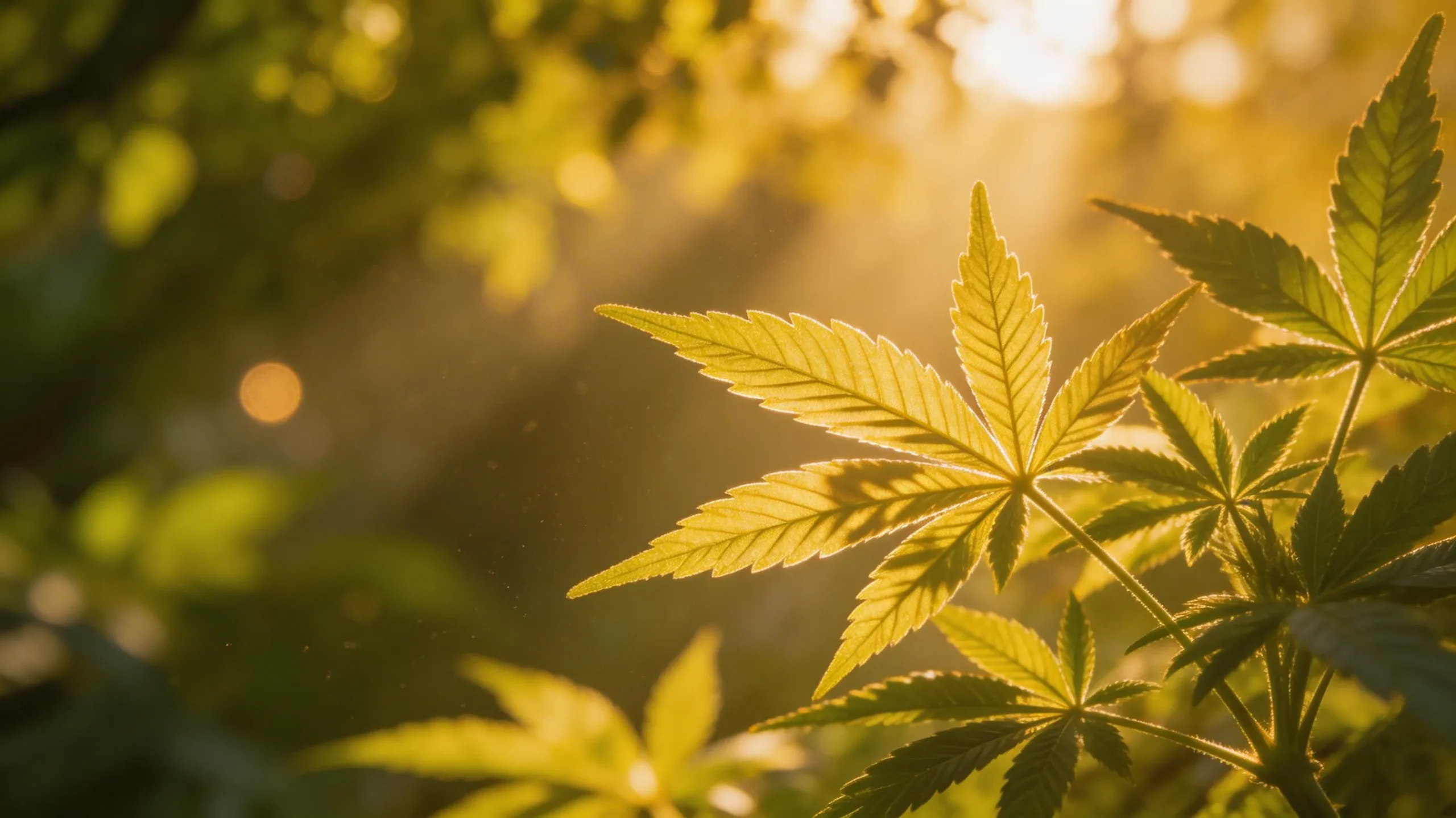
Hemp is a variety of the cannabis plant that contains very low levels of THC, typically no more than 0.3%. At this level, it does not produce psychoactive effects and is widely used across industries such as textiles, food, wellness, and sustainable materials.
Globally, this distinction is well understood. But in the Middle East, the conversation is more nuanced.
Many countries in the region have strict regulations around cannabis-related substances. This means that hemp is not always viewed independently, it is often associated with cannabis as a whole.
As a result, the hemp market Middle East is shaped not just by opportunity, but by perception, regulation, and awareness.
Early Stage Growth: Awareness Before Expansion
One of the defining characteristics of the hemp market in the Middle East is that it is still in its early stages.
Unlike Western markets where hemp is widely accepted, the Middle East is still building foundational awareness. Consumers are becoming familiar with the term, but understanding is still developing.
This creates a unique dynamic.
Interest exists, but it is cautious.
Curiosity is present, but it is measured.
This phase is critical because it determines how the market will grow in the future. Instead of rapid expansion driven by trends, the region is experiencing a slower, more structured development.
This is why hemp market Middle East is not about immediate scale, it is about gradual evolution.
Key Drivers Behind Market Growth
Despite regulatory challenges, several factors are contributing to the growth of the hemp market in the Middle East.
One of the strongest drivers is sustainability. Hemp is widely recognized as an eco-friendly material that requires fewer resources to grow compared to traditional crops. It is used in textiles, biodegradable materials, and even construction.
As countries in the Middle East, including the UAE, invest in sustainability initiatives, hemp naturally becomes part of the conversation.
Another driver is the rise of health-conscious lifestyles. Consumers are increasingly looking for natural and plant-based ingredients in their diets and personal care products. Hemp seeds, for example, are gaining attention for their nutritional value.
Global influence also plays a role. With increased access to international content and products, consumers in the Middle East are becoming more aware of how hemp is used worldwide. This exposure fuels curiosity and interest locally.
All of these factors contribute to the steady growth of the hemp market Middle East.
The Role of Regulation Across the Region
Regulation is one of the most important factors shaping the hemp market in the Middle East.
Unlike regions with more open policies, many Middle Eastern countries maintain strict control over cannabis-related substances. This includes THC, which is the compound responsible for psychoactive effects.
Even though hemp contains very low levels of THC, its association with cannabis means that it is still subject to careful evaluation.
This creates a market environment where:
Products are assessed individually
Compliance is essential
Availability is selective
In countries like the UAE, this structured approach ensures that the market develops in a controlled and predictable way.
This regulatory framework is central to understanding the hemp market Middle East, as it influences everything from product availability to consumer perception.
Product Segments Driving the Market
Within the hemp market, certain product categories are more likely to gain traction in the Middle East.
Hemp-based textiles and sustainable materials are among the most promising segments. Since they do not involve cannabinoids, they are easier to integrate into existing markets and align well with sustainability goals.
Hemp seeds and food products are another area of growth. Their nutritional benefits make them appealing to health-conscious consumers, and their composition makes them less complex from a regulatory standpoint.
More complex segments, such as hemp extracts and cannabinoid-based products, face stricter regulations. While they are part of the global hemp industry, their presence in the Middle East is more limited and controlled.
This creates a layered market where different segments grow at different rates, contributing to the overall development of the hemp market Middle East.
Challenges That Shape the Market
Every emerging market comes with its own set of challenges, and the hemp sector in the Middle East is no exception.
One of the biggest challenges is perception. Hemp is often misunderstood due to its association with cannabis, which can create hesitation among consumers.
Another challenge is regulatory complexity. Businesses looking to enter the market must navigate detailed requirements to ensure compliance, which can slow down expansion.
Supply chain considerations also play a role. Since many hemp products are sourced internationally, maintaining consistency and meeting local standards requires careful planning.
These challenges do not prevent growth, but they influence how the hemp market Middle East evolves.
The UAE’s Role in Regional Growth
The UAE plays a significant role in shaping the hemp market in the Middle East.
As a regional hub for trade, innovation, and sustainability, the UAE often sets the tone for how new industries develop in the region.
The country’s structured regulatory approach ensures that any growth in the hemp sector is aligned with safety and compliance. At the same time, its focus on sustainability and innovation creates opportunities for hemp to become part of future initiatives.
This positions the UAE as a key player in the broader hemp market Middle East, influencing both perception and development.
Future Potential: Where the Market Is Heading
Looking ahead, the future of the hemp market in the Middle East appears promising, but measured.
Growth is expected to be driven by:
Increasing awareness
Sustainability initiatives
Global market influence
Regulatory evolution
As consumers become more informed, the conversation around hemp will shift from uncertainty to understanding.
At the same time, regulatory frameworks may continue to evolve, creating new opportunities within controlled environments.
This means that the hemp market Middle East is not static, it is dynamic, shaped by both local and global factors.
The Bigger Picture: A Market Built on Understanding
When you step back and look at the bigger picture, it becomes clear that the hemp market in the Middle East is not just about products.
It is about awareness.
It is about understanding the difference between hemp and cannabis. It is about recognizing the role of THC in regulation. And it is about navigating a space where global trends meet local frameworks.
This is what makes the market unique.
Conclusion: Growth That Follows Clarity
So, what does the hemp market Middle East really represent?
It represents a market in transition. A space where curiosity is rising, awareness is building, and opportunities are emerging.
But it also represents a market that values structure over speed.
Hemp is not entering the Middle East as a trend, it is being introduced as a concept that requires understanding.
And that is what will define its future.
Because in the end, markets that grow with clarity are the ones that sustain.
Leave a Reply