
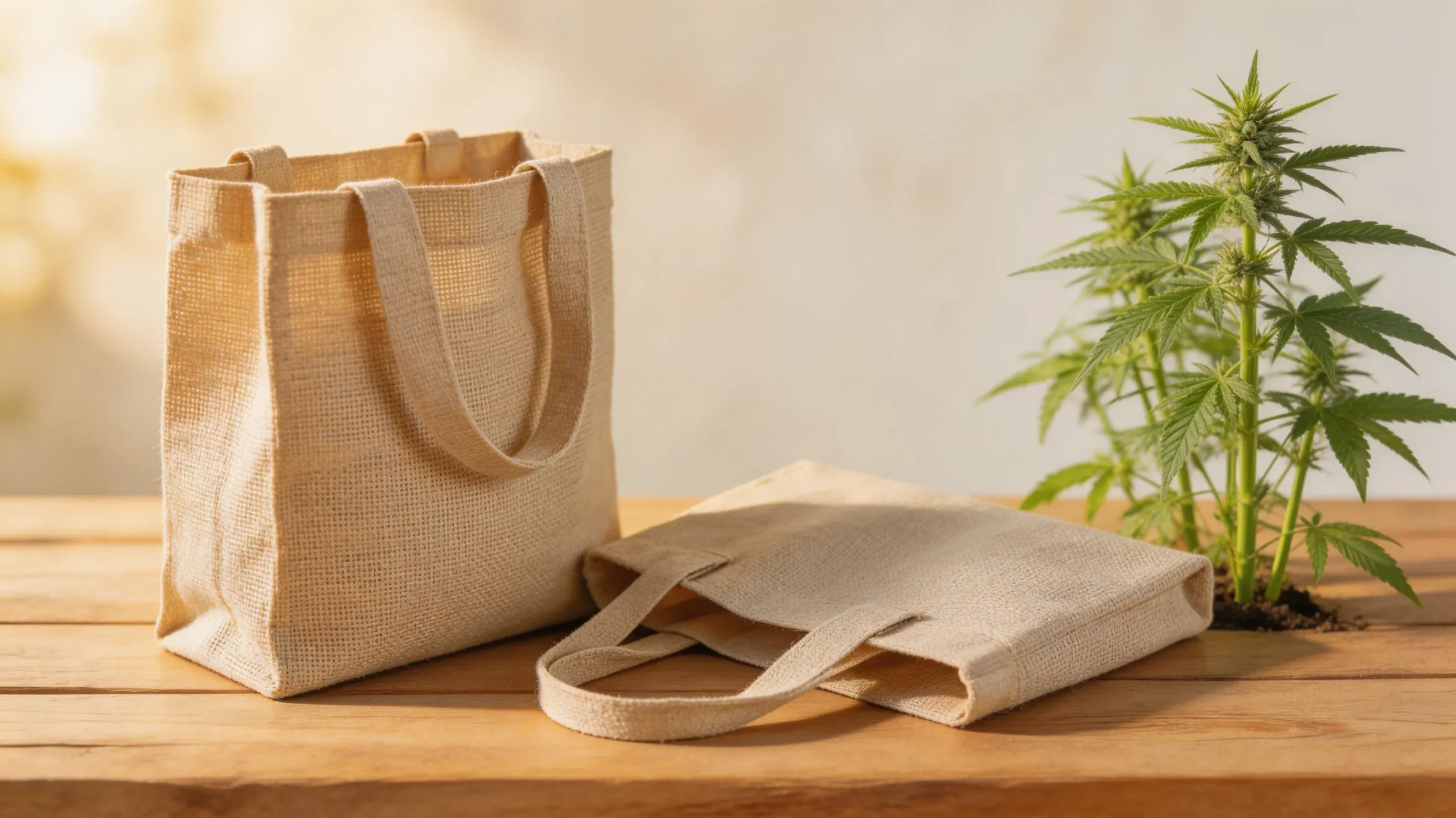
From Plant to Industrial Material
Hemp is often described as one of the most versatile plants in the world. Once harvested, the plant can be processed into a wide range of materials used across different industries. This transformation process is known as hemp manufacturing.
Around the world, hemp manufacturing UAE includes turning raw hemp into fibers, oils, construction materials, and industrial ingredients. As global demand for sustainable materials grows, many countries are exploring how hemp processing could support new industries.
Interest in hemp manufacturing UAE is slowly emerging as regulations begin to recognize industrial and medical uses of hemp.
What Hemp Manufacturing Actually Involves
Manufacturing hemp products usually starts with separating different parts of the hemp plant. The stalk, seeds, and plant compounds can all be used for different purposes.
The stalks are processed to extract strong natural fibers. These fibers can be used to produce textiles, ropes, paper, insulation materials, and industrial composites.
Hemp seeds are processed into oils and food ingredients in many parts of the world. Meanwhile, certain plant compounds are studied for pharmaceutical applications.
Because almost every part of the plant can be used, hemp manufacturing is often considered a zero-waste agricultural industry.
Industrial Materials Made From Hemp
Globally, hemp manufacturing supports several industries that focus on sustainable materials.
One common example is hemp fiber processing for clothing and fabrics. Hemp textiles are known for their durability and breathability, which is why they are used in sustainable fashion.
Another growing area is hemp-based construction materials. Products such as hempcrete and hemp insulation are being used in environmentally friendly building projects.
Hemp can also be used in biodegradable plastics, automotive parts, and packaging materials.
These industries are driving interest in hemp manufacturing worldwide.
The UAE’s Controlled Approach to Hemp
The United Arab Emirates regulates hemp activities through a strict legal framework introduced under Federal Decree-Law No. 24 of 2025.
Under this system, hemp materials must contain very low THC levels, generally below the internationally recognized threshold of 0.3 percent.
However, hemp manufacturing activities are not open consumer markets. Instead, the framework focuses mainly on licensed industrial operations and pharmaceutical research.
This means any hemp processing or manufacturing activities would require government approval and regulatory oversight.
Pharmaceutical Manufacturing Possibilities
Another area where hemp manufacturing may develop is pharmaceutical production.
Certain compounds derived from cannabis plants are being researched internationally for medical treatments. Pharmaceutical companies around the world study these compounds under strict laboratory and regulatory standards.
In the UAE, any cannabinoid-based medicines would fall under the country’s regulated pharmaceutical system. These medicines would need to be approved drugs prescribed by licensed doctors and dispensed through authorized pharmacies.
This approach keeps cannabinoid medicines within the healthcare system rather than consumer markets.
Why Manufacturing Matters for the Hemp Industry
Manufacturing is one of the most important stages of the hemp supply chain. While cultivation produces the raw plant, manufacturing is what transforms hemp into usable products.
Countries that develop strong hemp processing capabilities can support industries such as textiles, construction materials, and pharmaceutical research.
Because the UAE is already a major global hub for logistics and advanced manufacturing, some observers believe industrial hemp processing could eventually become part of future manufacturing sectors if regulations evolve.
Conclusion
The concept of hemp manufacturing in the UAE is closely tied to the country’s carefully regulated approach to hemp. Rather than opening retail cannabis markets, the UAE framework focuses on controlled industrial and pharmaceutical applications.
Globally, hemp manufacturing supports industries ranging from sustainable textiles to construction materials and pharmaceutical research.
As regulations continue to develop, hemp processing and manufacturing may gradually become part of the broader conversation around sustainable materials and advanced manufacturing in the region.
Leave a Reply