
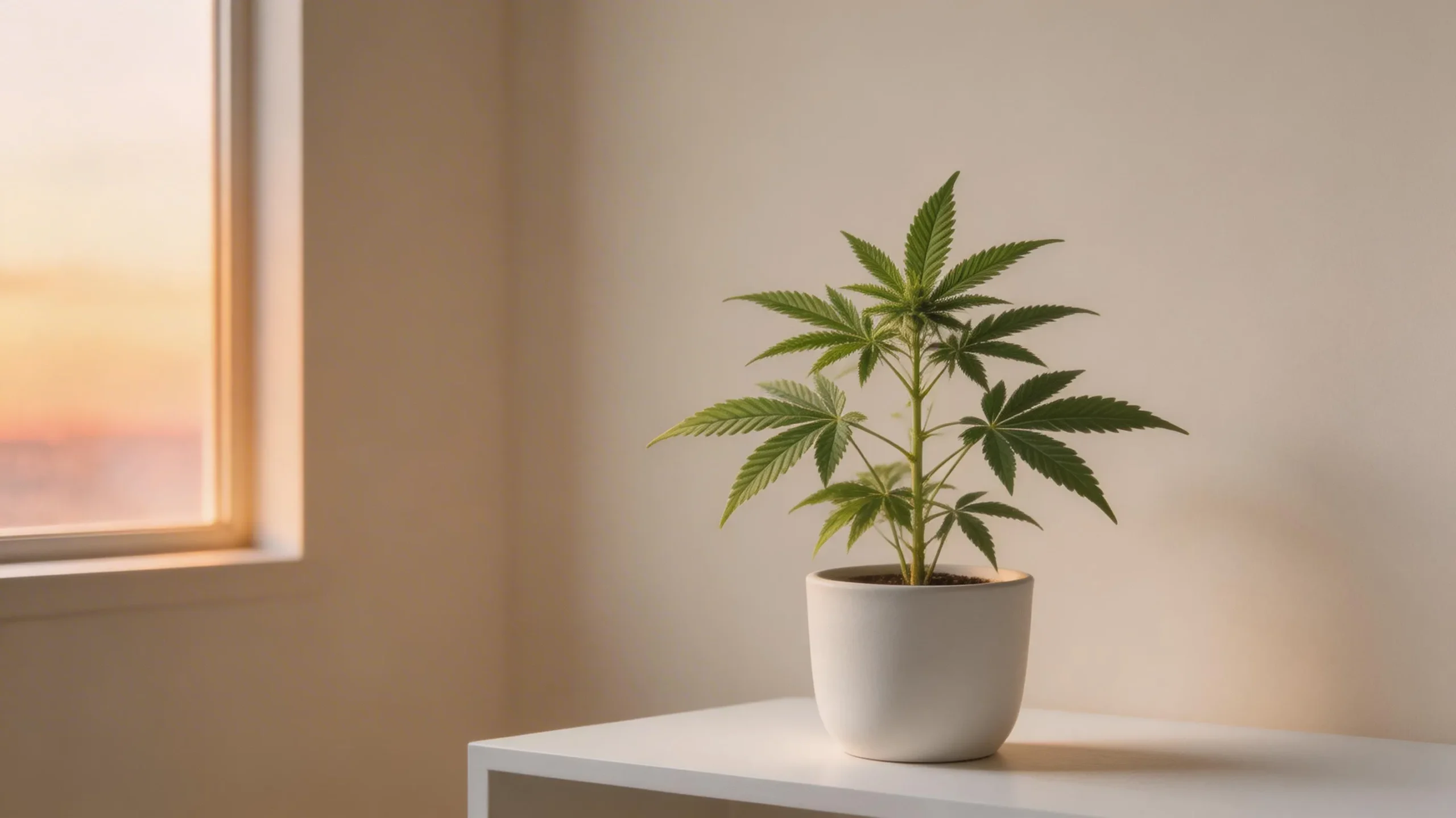
Luxury today is no longer what it used to be. It is no longer defined only by heritage brands, visible logos, or high price points. Instead, it has evolved into something more thoughtful and layered. Modern luxury is increasingly about intention, how a product is made, what it represents, and how it aligns with the values of the person choosing it. In the UAE, where luxury has always been a strong part of the cultural and consumer landscape, this evolution is becoming more visible. People are still drawn to quality and craftsmanship, but they are also becoming more curious about materials, origins, and long-term value.
This is where an unexpected material begins to enter the conversation. Hemp, traditionally associated with practicality and sustainability, is now being reconsidered in a completely different light. The idea of hemp luxury fashion UAE may initially feel unusual, even contradictory. However, when you look closely at how luxury itself is evolving, the connection begins to make sense. Hemp is not replacing luxury; it is redefining what luxury can include.
Understanding Hemp Beyond Its Traditional Image
For a long time, hemp has been viewed through a very specific lens. It has been seen as a functional material, strong, durable, and natural, but not necessarily refined or premium. This perception comes from its historical use in ropes, textiles, and everyday goods, where practicality was the priority. However, this view is beginning to shift as the material itself is being reintroduced through modern design and innovation.
Today, hemp is being processed and finished in ways that elevate its appearance and feel. It is no longer limited to rough textures or basic applications. Instead, it can be softened, blended, and refined to suit more sophisticated uses. This transformation is important because it allows hemp to move beyond its traditional image and enter spaces where aesthetics and experience matter as much as function. In the context of luxury fashion, this shift opens up new possibilities.
The Changing Definition of Luxury in the UAE
The UAE has always had a strong relationship with luxury, but the definition of luxury is expanding. While traditional elements such as exclusivity and craftsmanship still hold value, there is a growing emphasis on meaning. Consumers are beginning to look for products that reflect not just status, but awareness. They are paying attention to the story behind what they wear, the materials used, the process involved, and the impact created.
This shift does not mean that luxury is becoming less desirable. Instead, it is becoming more thoughtful. It is moving away from purely visual appeal toward a more balanced understanding of value. In this evolving landscape, materials like hemp begin to find relevance. They offer a combination of authenticity, functionality, and sustainability that aligns with the direction in which luxury is moving.
Global Influence: How Hemp Entered Premium Fashion
The journey of hemp into luxury fashion did not begin in the UAE. It started in global markets where designers began experimenting with alternative materials. These designers saw potential in hemp, not just as a sustainable option, but as a material that could be shaped into something refined. Through innovation in processing and design, hemp fabrics began to appear in collections that emphasized both aesthetics and responsibility.
As these collections gained visibility, they reached audiences beyond their original markets. Consumers in the UAE, who are highly connected to global fashion trends, began to encounter hemp in this new context. They saw it presented in a way that felt modern and intentional, rather than purely functional. This exposure played a significant role in shifting perception, making hemp feel relevant within the luxury space.
Fabric Performance: Where Comfort Meets Refinement
One of the most important aspects of luxury clothing is how it feels over time. It is not just about how a garment looks when you first wear it, but how it performs throughout the day. In a climate like the UAE’s, this becomes even more important. Clothing needs to adapt to heat, movement, and long hours without losing its comfort or structure.
Hemp fabric offers qualities that align well with these needs. It allows air to circulate naturally, helping to regulate body temperature. It maintains its shape without clinging to the skin, which enhances comfort in warm conditions. Over time, it softens while retaining its strength, creating a balance between durability and ease. These characteristics contribute to an experience that feels consistent and reliable, which is an essential part of luxury.
Texture and Aesthetic: A New Kind of Elegance
Luxury has traditionally been associated with smooth, polished materials. However, modern design is beginning to embrace texture as a form of expression. Materials that feel natural and slightly imperfect are being valued for their authenticity. Hemp fits into this aesthetic in a unique way.
Its texture is distinct. It does not try to imitate other fabrics. Instead, it offers its own character, subtle, grounded, and organic. This creates a different kind of elegance, one that feels understated rather than overt. In a market like the UAE, where minimalism and refinement are increasingly appreciated, this aesthetic has the potential to resonate strongly.
Craftsmanship and Design Possibilities
Luxury fashion is deeply connected to craftsmanship. The value of a garment often lies in the details, the precision of the stitching, the structure of the fabric, and the thought behind the design. Hemp, when handled with care, can support this level of craftsmanship.
Designers have the ability to experiment with hemp in various ways, combining it with other fibers, adjusting its finish, and shaping it into different forms. This flexibility allows it to move beyond basic applications and enter more complex design spaces. As a result, hemp can be used to create garments that feel both innovative and refined, bridging the gap between tradition and modernity.
Sustainability as a Modern Luxury Value
Sustainability is becoming an integral part of luxury, not as an addition, but as a core value. Consumers are increasingly aware of the impact their choices have, and they are looking for products that align with a more responsible approach to consumption.
Hemp naturally fits into this shift. It is often recognized for its efficiency in cultivation and its versatility as a material. In the UAE, where sustainability initiatives are gaining momentum, this adds another layer of relevance. Luxury is no longer just about exclusivity; it is about making choices that reflect awareness and intention.
Consumer Perception: The Key to Adoption
The success of hemp in luxury fashion ultimately depends on how it is perceived. For many people, the idea of hemp is still tied to its traditional image. Changing this perception requires time, exposure, and experience.
As consumers encounter hemp in new contexts, through fashion, design, and storytelling, their understanding begins to shift. They start to see it not as a basic material, but as one with potential. This shift is gradual, but it is essential for the growth of hemp luxury fashion UAE.
Conclusion: A New Layer of Luxury
So, can hemp be used in luxury fashion in the UAE market?
Yes, but not in the way luxury has traditionally been defined. Hemp does not replace existing materials; it adds a new dimension to them. It introduces qualities that align with modern values, offering a balance between performance, sustainability, and design.
As the definition of luxury continues to evolve, materials like hemp will play an increasingly important role. They represent a shift toward a more thoughtful approach to fashion, one that values not just how something looks, but how it fits into a larger story.
And in that story, hemp is no longer an outsider. It is becoming part of the narrative.
Leave a Reply