
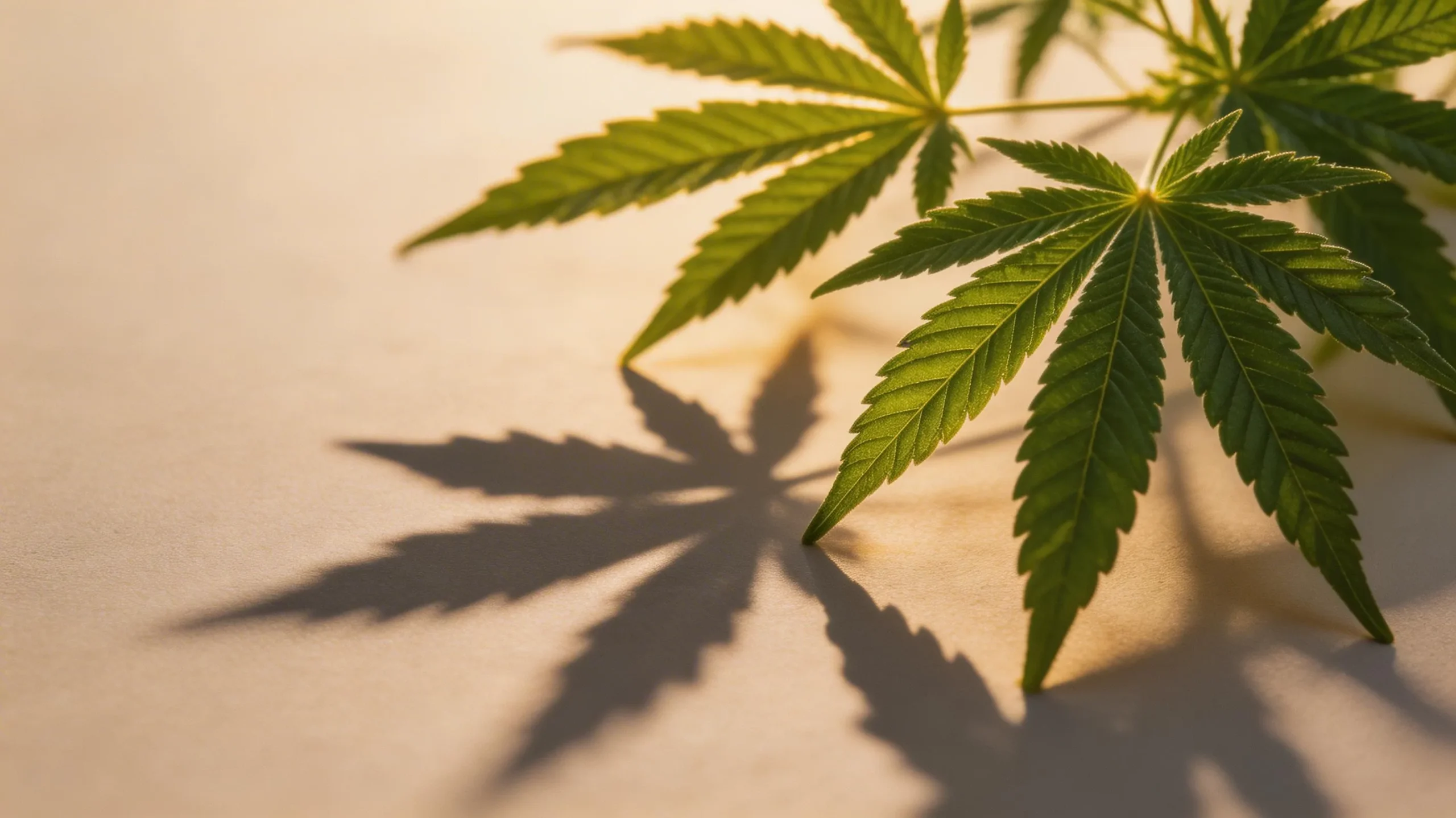
As the global hemp industry continues to expand, many entrepreneurs and importers are exploring opportunities in the Middle East. One of the most important questions businesses ask is about Hemp Import Laws in Dubai.
Dubai is one of the world’s major trade hubs, connecting markets across Asia, Europe, and Africa. Because of its strong logistics infrastructure and international trade environment, many companies are interested in importing hemp-based products into the UAE.
However, Hemp Import Laws in Dubai are governed by strict regulations. Businesses must understand these rules carefully to ensure compliance with UAE laws and avoid legal complications.
Understanding the Legal Framework
Before importing hemp products, businesses must understand the broader regulatory environment that governs Hemp Import Laws in Dubai.
The UAE maintains strict narcotics regulations, and cannabis-derived substances are carefully controlled. The introduction of Federal Decree-Law No. 24 of 2025 created a framework for regulated industrial and medical hemp applications.
However, the law does not open the market for unrestricted cannabis products. Instead, hemp materials must comply with specific regulatory standards before they can be imported.
For businesses planning to operate under Hemp Import Laws in Dubai, ensuring product compliance is essential.
Types of Hemp Products That May Be Imported
Certain industrial hemp products may be imported if they comply with UAE regulations.
Common categories include:
- hemp textiles and fabrics
- hemp fiber used in manufacturing
- hemp-based construction materials
- hemp seed oil used in cosmetic products
- industrial hemp raw materials
These products typically contain minimal cannabinoids and are considered industrial materials rather than controlled substances.
Companies importing these products must still follow the procedures outlined under Hemp Import Laws in Dubai.
Hemp Products That Are Restricted
While some hemp products may be allowed, several categories remain restricted under Hemp Import Laws in Dubai.
Businesses should avoid importing products such as:
- CBD oils and extracts for retail sale
- hemp supplements and ingestible products
- hemp smoking products
- recreational cannabis products
These items may fall under controlled substance regulations and could lead to legal penalties if imported without authorization.
Import Compliance and Documentation
Businesses importing hemp products into the UAE must follow strict documentation and regulatory requirements.
Under Hemp Import Laws in Dubai, companies should ensure they have:
- accurate product ingredient information
- compliance certificates if required
- proper customs documentation
- product labeling that meets UAE standards
Failure to provide correct documentation may result in shipment delays, product confiscation, or regulatory action.
Opportunities for Hemp Importers
Despite regulatory restrictions, Hemp Import Laws in Dubai still allow opportunities in certain industrial sectors.
Companies may explore opportunities such as:
- importing hemp textiles for fashion brands
- supplying hemp fibers to manufacturers
- distributing sustainable packaging materials
- providing hemp-based construction materials
Dubai’s global trade infrastructure makes it an attractive location for companies involved in sustainable industrial materials.
Summary
Understanding Hemp Import Laws in Dubai is essential for businesses planning to enter the hemp market in the UAE. While regulations remain strict, certain industrial hemp products may still present opportunities for importers and distributors.
Companies that carefully study the legal framework and ensure compliance with UAE regulations can explore emerging opportunities within the hemp industry.
As global demand for sustainable materials grows, businesses that understand Hemp Import Laws in Dubai may be well positioned to participate in this evolving sector.
Leave a Reply