
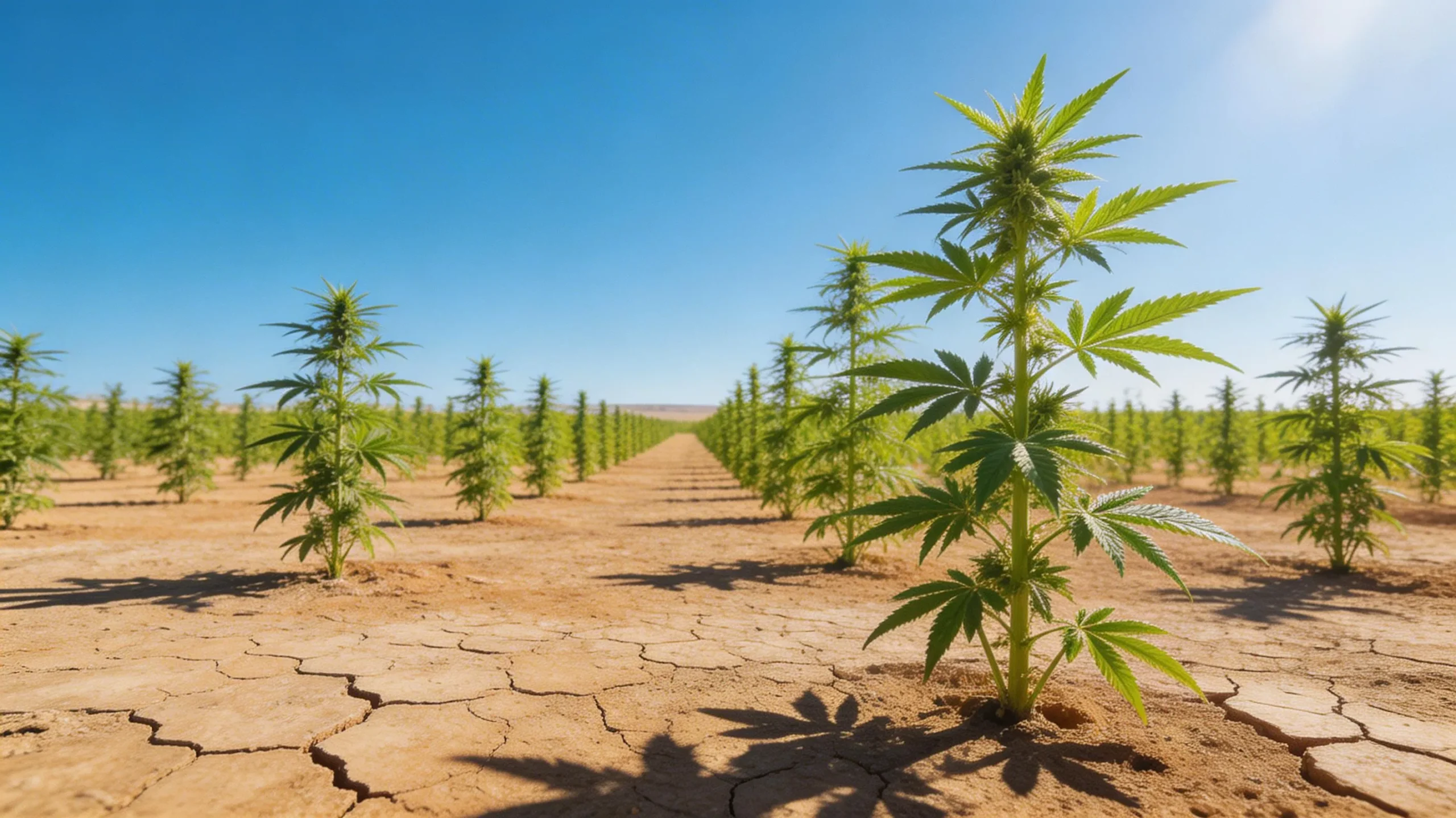
Growing Interest in Hemp Trade
Hemp has become a globally traded material used in industries ranging from textiles and construction to cosmetics and manufacturing. As more countries explore sustainable materials and plant-based products, international trade in hemp materials has also expanded.
Because of this global trend, many entrepreneurs are researching the hemp import business UAE and how hemp materials may enter the country under the current regulatory framework.
The UAE is one of the world’s most important trading hubs, which naturally raises questions about how hemp imports are handled.
Why Businesses Import Hemp Materials
In countries where hemp industries are developing, businesses often import raw hemp materials or hemp-based products to support manufacturing and research.
For example, hemp fibers may be imported for textile production, while hemp seeds or plant oils may be used in certain manufacturing processes.
Globally, companies import hemp materials for use in industries such as sustainable construction, biodegradable packaging, cosmetics, and industrial manufacturing.
These applications are part of the reason hemp trade continues to grow internationally.
Understanding UAE Regulations
When discussing a hemp import business in the UAE, the most important factor is compliance with the country’s legal framework.
Hemp-related activities are governed by Federal Decree-Law No. 24 of 2025, which regulates industrial and medical uses of hemp.
Under this framework, hemp used in regulated activities must contain extremely low levels of THC, generally below 0.3 percent.
However, this does not mean hemp products can be freely imported or sold in consumer markets. Import activities involving hemp would require proper licensing and regulatory approvals from relevant authorities.
Recreational Cannabis Products Are Prohibited
The UAE maintains strict laws regarding cannabis products.
Recreational cannabis items such as cannabis flower, THC oils, THC gummies, cannabis edibles, THC vape cartridges, and cannabis beverages cannot be imported into the country.
These products are illegal under UAE narcotics laws and are not permitted in the country’s retail markets.
Businesses must ensure that any hemp-related materials comply with national regulations before considering import activities.
Industrial and Research Applications
In regulated environments, hemp materials may be used for industrial manufacturing, scientific research, or pharmaceutical development.
Licensed companies or research institutions may work with hemp materials under government supervision. These activities usually require regulatory approvals, documentation, and compliance with safety standards.
The system ensures that hemp materials remain within controlled industrial and research frameworks.
The UAE as a Global Trade Hub
The UAE’s role as a global logistics and trade center makes it a key location for international commerce.
With advanced ports, free zones, and strong international trade connections, the country facilitates the movement of goods across many industries.
For businesses studying hemp-related opportunities, understanding both international hemp trade and UAE regulatory systems is essential before entering the market.
Conclusion
The concept of a hemp import business UAE must be understood within the country’s strict regulatory framework.
While recreational cannabis products are prohibited, industrial hemp materials may be handled within regulated systems that focus on licensed manufacturing, research, and pharmaceutical development.
For entrepreneurs and businesses exploring hemp imports, compliance with UAE laws and regulatory approvals remains the most important step before engaging in this sector.
Leave a Reply