
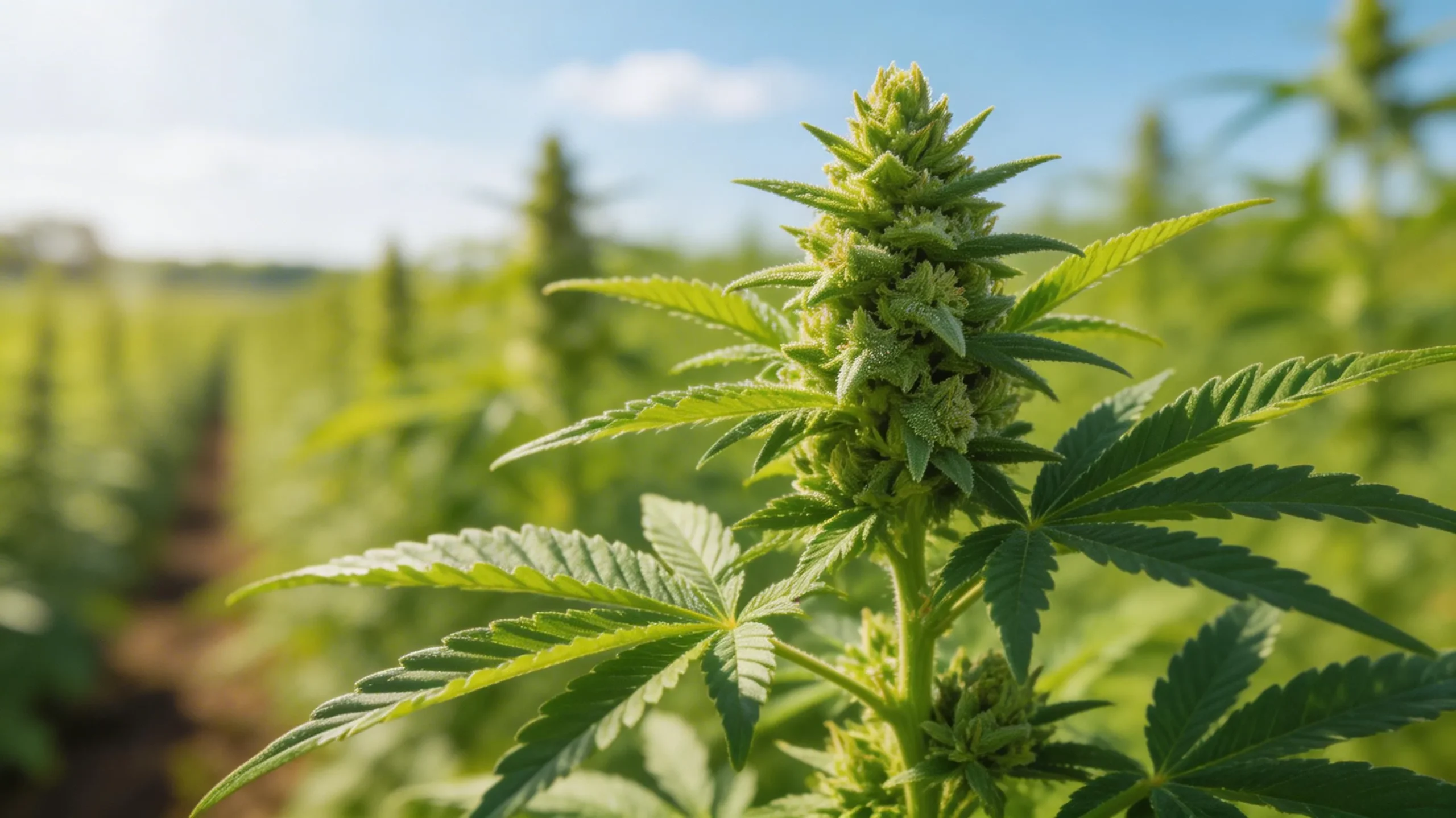
A Strong Natural Fiber With Global Demand
Hemp fiber is one of the oldest natural materials used by humans. For thousands of years, people have used hemp fibers to make ropes, fabrics, and other durable materials.
Today, hemp fiber is gaining global attention again as industries search for sustainable and environmentally friendly raw materials. From clothing to construction, hemp fiber is now used in several modern industries.
As the world explores new plant-based materials, discussions around hemp fiber UAE have also started to appear, especially in the context of industrial hemp and sustainable manufacturing.
What Makes Hemp Fiber Unique
Hemp fiber comes from the outer part of the hemp plant stalk. These fibers are naturally strong, durable, and resistant to wear.
Compared to many traditional fibers, hemp requires fewer pesticides and less water to grow. This makes it attractive to industries looking for environmentally responsible materials.
Another advantage is durability. Hemp fabrics and materials tend to last longer than many other natural fibers, which is why hemp has historically been used for ropes, sails, and heavy-duty textiles.
Hemp Fiber in the Textile Industry
One of the most common uses of hemp fiber is in textile manufacturing.
Hemp fibers can be woven into fabrics used for clothing, bags, upholstery, and industrial textiles. Many sustainable fashion brands now use hemp fabric because it is breathable, durable, and environmentally friendly.
As consumers become more interested in sustainable clothing, hemp fiber is becoming a valuable alternative to traditional materials like cotton and synthetic fabrics.
Hemp Fiber in Construction and Manufacturing
Beyond textiles, hemp fiber is also used in construction and industrial manufacturing.
In construction, hemp fibers can be used in materials such as hempcrete and natural insulation. These materials are valued for their lightweight structure and environmental benefits.
Hemp fibers are also used in manufacturing composite materials. Some industries combine hemp fibers with other materials to create lightweight components used in automotive parts, packaging, and industrial products.
Hemp Fiber and UAE Regulations
In the UAE, hemp-related activities are regulated under Federal Decree-Law No. 24 of 2025, which governs industrial and medical uses of hemp.
Under this framework, hemp must contain extremely low levels of THC, generally below the internationally recognized threshold of 0.3 percent.
Hemp materials such as fibers may be used in regulated industrial contexts, particularly in manufacturing and research environments operating under government supervision.
Recreational cannabis products remain illegal in the UAE, and any hemp-related activities must comply with national regulations.
Sustainability and Future Interest
The growing interest in hemp fiber worldwide is closely linked to sustainability. Hemp plants grow quickly, produce strong fibers, and can support multiple industrial applications.
Countries focusing on environmentally friendly materials often explore hemp as a resource for green manufacturing and sustainable construction.
As industries continue searching for plant-based materials, hemp fiber is likely to remain an important topic in discussions about future manufacturing and sustainable development.
Final Thoughts
The conversation around hemp fiber UAE reflects the broader global interest in hemp as a sustainable industrial material.
Hemp fiber is valued for its strength, durability, and versatility across industries such as textiles, construction, and manufacturing.
While hemp-related activities in the UAE operate within strict regulatory frameworks, the plant continues to attract attention worldwide as industries explore new environmentally friendly materials.
Leave a Reply