
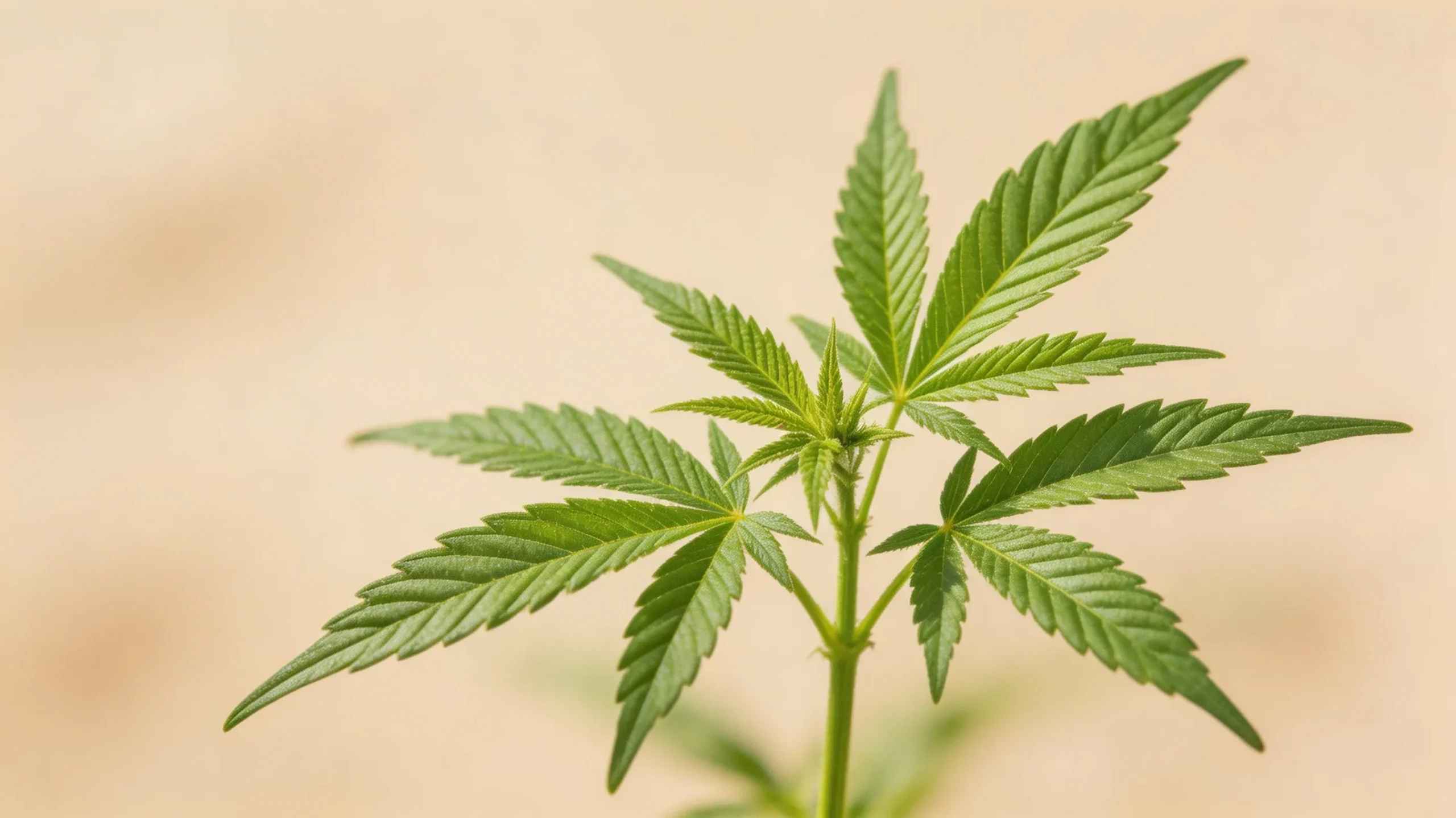
As hemp continues to gain global attention, one question naturally comes up in regions like the UAE:
Can it actually be grown here?
At first glance, the idea seems simple. Hemp is a plant. Plants can be cultivated. But when you bring this question into the UAE context, it becomes more layered.
Because here, farming is not just about soil and water.
It is about climate, infrastructure, and most importantly, regulation.
Understanding hemp farming UAE possible is not about a quick yes or no. It is about understanding what makes cultivation possible, what makes it complex, and how all the factors come together.
Understanding Hemp as a Crop
Hemp is a versatile plant.
It is used across multiple industries, including textiles, food, construction, and wellness. What makes it different from many other crops is its classification.
Hemp belongs to the cannabis plant family.
Even though industrial hemp is associated with very low THC levels and non-psychoactive use, this connection places it in a category that is carefully regulated.
This is where the complexity begins.
The UAE Climate: A Challenging Environment for Farming
The UAE’s environment is not naturally suited for traditional agriculture.
The region is defined by:
High temperatures
Low rainfall
Desert soil conditions
These factors make farming more complex.
However, agriculture does exist in the UAE.
It is supported by advanced systems such as controlled irrigation, greenhouse farming, and hydroponics.
This means that farming is possible, but only with the right infrastructure.
Can Hemp Adapt to Desert Conditions?
Hemp is often described as an adaptable crop.
It can grow in different climates and is considered resilient compared to some traditional crops.
However, adaptability does not mean it can thrive without support in extreme conditions.
In the UAE, hemp would still require:
Controlled water supply
Soil enhancement
Temperature management
This means that while hemp can be cultivated, it would not rely on natural conditions alone.
The Role of Water in Hemp Farming
Water is one of the most critical factors in farming in the UAE.
Every crop must be evaluated based on how efficiently it uses water.
Hemp is often discussed as relatively efficient in water use compared to certain crops.
But in a desert environment, irrigation is still essential.
This means that hemp farming would depend on optimized water management systems.
Regulation: The Defining Factor
While climate and infrastructure are important, regulation is the most significant factor when it comes to hemp farming in the UAE.
Hemp is not treated as a standard agricultural crop.
It is evaluated within a broader framework connected to cannabis.
This means that cultivation is not just about feasibility.
It is about legality.
Factors that influence this include:
THC content
Plant classification
Intended use
This is what defines whether farming is possible.
Why Hemp Farming Is Not Yet Common in the UAE
At present, hemp farming is not a common practice in the UAE.
This is not due to lack of interest.
It is due to the combination of regulatory and environmental factors.
Introducing a new crop requires alignment across multiple systems.
This alignment takes time.
Controlled Farming: A Possible Approach
If hemp farming were to be explored in the UAE, it would likely follow a controlled approach.
This could include:
Greenhouse cultivation
Hydroponic systems
Precision irrigation
These methods allow farmers to create suitable conditions regardless of the external environment.
This highlights an important point:
Farming in the UAE is not about adapting to nature.
It is about creating controlled environments.
Global Influence and Local Reality
Globally, hemp farming is expanding.
Many countries have established frameworks that allow cultivation under specific conditions.
This creates a perception that hemp farming is widely accessible.
However, local reality differs.
In the UAE, the framework is structured and cautious.
This means that global practices do not directly apply.
Future Possibilities for Hemp Farming in the UAE
Looking ahead, the idea of hemp farming in the UAE is not entirely out of reach.
As global industries evolve and materials like hemp gain importance, discussions around cultivation may continue.
However, any future development would follow a structured path.
It would involve:
Regulatory clarity
Controlled implementation
Alignment with environmental systems
This means that growth, if it happens, will be gradual.
Challenges That Shape the Possibility
Hemp farming in the UAE faces several challenges.
Environmental conditions require advanced systems.
Water use must be carefully managed.
Regulatory frameworks must be aligned.
These challenges do not eliminate possibility.
They define how it can be approached.
The Bigger Picture: Farming as a System
In the UAE, farming is not just about growing crops.
It is about operating within a system.
A system that balances environmental conditions, resource management, and regulation.
Hemp, as a crop, would need to fit into this system.
It is not an exception.
Conclusion: Possible, But Within Structure
So, is hemp farming possible in the UAE?
Yes, but within structure.
It is not about simply planting and growing.
It is about aligning with climate, infrastructure, and regulation.
This is what defines hemp farming UAE possible.
Not as a simple answer, but as a layered understanding.
Because in the UAE, possibility is not defined by desire alone.
It is defined by how well something fits into the system.
Leave a Reply