
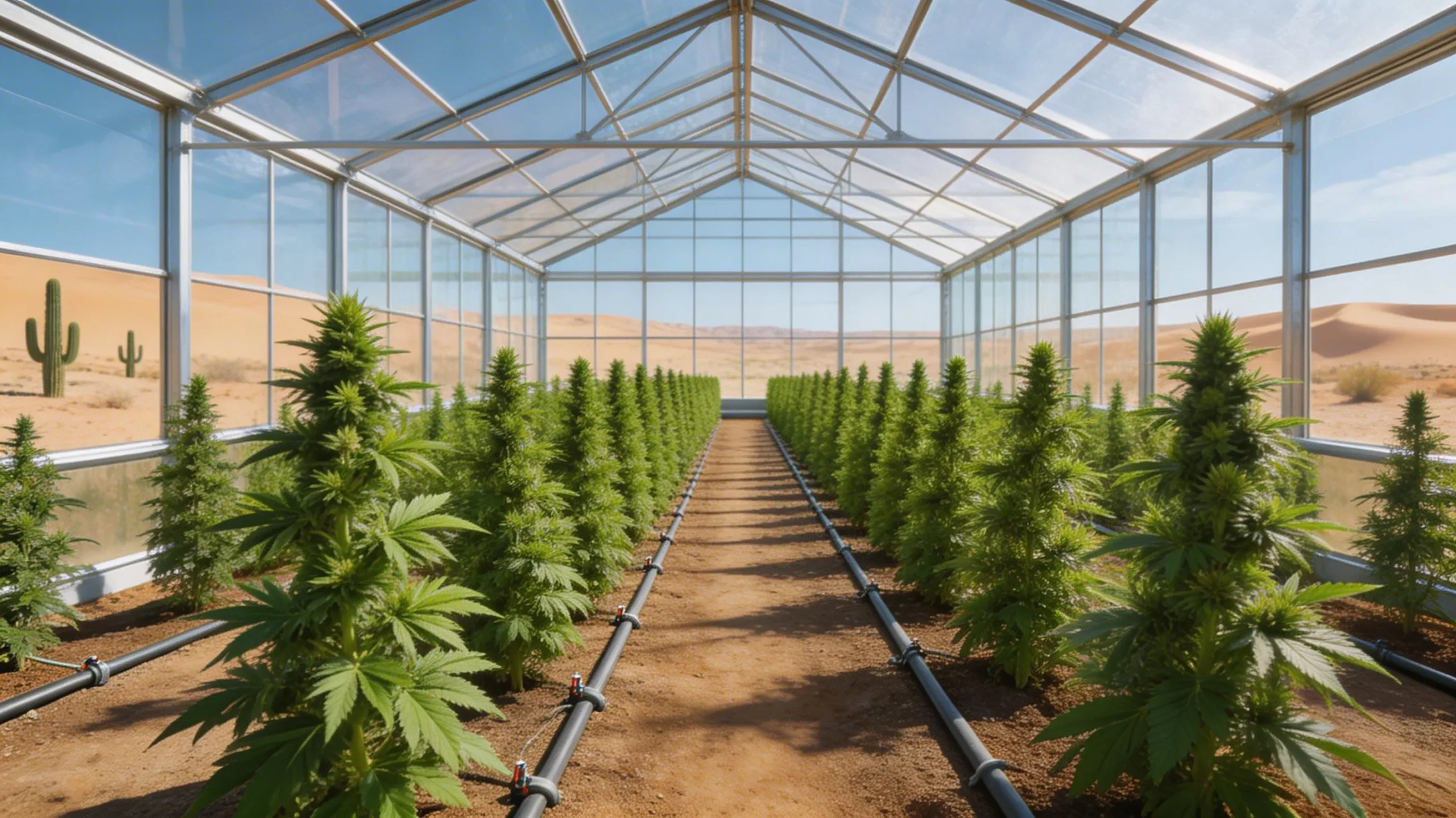
The Question Many People Ask
As the global hemp industry expands, many people wonder whether hemp can be grown in different parts of the world. Countries across North America, Europe, and Asia have introduced regulations that allow hemp cultivation for industrial purposes.
This has also raised curiosity about hemp farming laws UAE. Entrepreneurs, researchers, and businesses often ask whether hemp cultivation is permitted in the country.
The answer lies in understanding how the UAE regulates hemp and cannabis plants.
The Legal Framework Around Hemp
The UAE regulates hemp through Federal Decree-Law No. 24 of 2025, which introduced a legal structure for industrial and medical uses of hemp.
This law recognizes the potential industrial and pharmaceutical value of hemp plants while maintaining strict controls over cannabis-related substances.
Under this framework, hemp activities such as research, manufacturing, and industrial processing may take place under government supervision and licensing.
However, these activities are carefully regulated and not open to general commercial farming.
THC Limits and Plant Classification
A key factor in hemp regulation is the amount of THC present in the plant.
THC is the compound responsible for the psychoactive effects associated with cannabis. Industrial hemp varieties are defined by their extremely low THC content.
International standards generally classify hemp as cannabis containing no more than 0.3 percent THC. This threshold is widely used to distinguish hemp from marijuana plants grown for recreational purposes.
The UAE regulatory system also focuses on controlling THC levels in any hemp-related activities.
Can Farmers Grow Hemp in the UAE?
Unlike some countries that allow large-scale hemp cultivation by farmers, the UAE does not currently have open agricultural markets for hemp farming.
Any activities involving hemp plants would need to operate under strict government approval and licensing. This means hemp cultivation would likely be limited to licensed institutions, research facilities, or regulated industrial projects rather than general commercial farms.
The purpose of this approach is to maintain control over cannabis-related plants while still allowing limited industrial and scientific exploration.
Hemp and Agricultural Innovation
Globally, hemp farming has gained attention because the plant grows quickly and can be used to produce sustainable materials. Hemp is often used to create textiles, biodegradable plastics, construction materials, and plant-based oils.
Because of these qualities, some countries consider hemp an important crop for sustainable agriculture and green industries.
In regions with strict regulations, however, hemp cultivation is typically restricted to controlled environments.
Medical and Pharmaceutical Research
Another area connected to hemp cultivation is pharmaceutical research.
Scientists in different countries study compounds derived from cannabis plants for potential medical applications. Some cannabinoid-based medicines have been developed under strict pharmaceutical standards.
In the UAE, these medicines fall under the country’s healthcare system and must be prescribed by licensed doctors and dispensed through authorized pharmacies.
Research related to cannabis plants may take place under government supervision.
Why the UAE Regulates Hemp Farming Strictly
The UAE has historically enforced strict narcotics laws to control substances derived from cannabis plants.
At the same time, global interest in hemp’s industrial potential has encouraged governments to explore controlled regulatory frameworks.
By regulating hemp cultivation carefully, the UAE aims to prevent misuse while still allowing limited research and industrial exploration.
Conclusion
The hemp farming laws UAE reflect the country’s careful approach toward cannabis-related plants.
While the UAE recognizes the potential industrial and pharmaceutical value of hemp, cultivation is not open to general farming. Any activities involving hemp plants must operate under strict government licensing and regulatory oversight.
For researchers, businesses, and investors, understanding these rules is essential when exploring hemp-related opportunities in the United Arab Emirates.
Leave a Reply