
In some climates, comfort is optional.
In the UAE, it isn’t.
The moment you step outside, you feel it, the heat rising from the ground, the sun pressing down, the air itself carrying warmth. It’s not just about temperature; it’s about how your body reacts to it.
And that’s where clothing plays a bigger role than we often realize.
You don’t just wear clothes, you rely on them. You depend on them to help your body stay balanced, to manage sweat, to prevent that overwhelming feeling of heat building up.
This is where breathability becomes the most important factor.
And this is exactly why the conversation around hemp fabric breathability UAE is worth exploring.
Because in a place like this, airflow is not a feature; it’s a necessity.
Understanding Breathability: What It Actually Means
Before diving into hemp specifically, it’s important to understand what breathability really means in fabric.
Breathability is the ability of a material to allow air and moisture to pass through it. It determines how well a fabric can release heat and manage sweat.
In hot climates, this becomes critical.
A breathable fabric:
Allows heat to escape
Let’s air circulate around the body
Prevents moisture from getting trapped
Reduces discomfort over long periods
Without breathability, even lightweight fabrics can feel suffocating.
And with it, even slightly heavier fabrics can feel comfortable.
What Makes Hemp Fabric Unique?
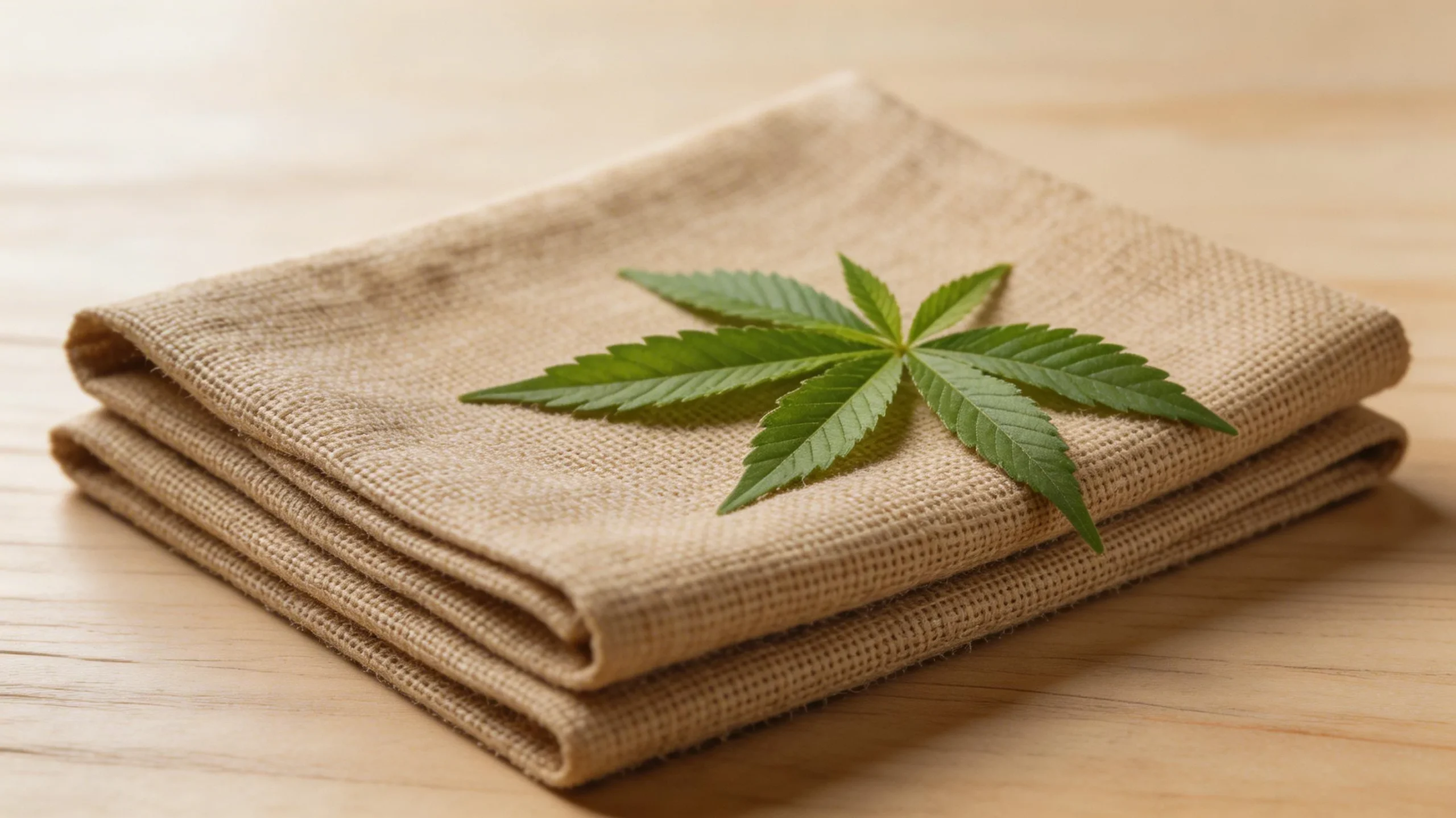
Hemp fabric is made from natural fibers extracted from the stalk of the hemp plant.
At a glance, it might look similar to other natural fabrics. But its internal structure tells a different story.
Hemp fibers are naturally hollow and porous. This means they have tiny spaces within them that allow air to pass through more easily.
This structure is what gives hemp its breathable quality.
Unlike synthetic fabrics, which often trap heat, hemp works more like a filter, allowing air to move in and out freely.
Airflow in Extreme Heat: Why It Matters More
In moderate climates, breathability is a comfort feature.
In extreme heat, it becomes essential.
The UAE’s climate pushes fabrics to their limits. High temperatures combined with humidity create an environment where airflow is the only way to stay comfortable.
When air can move freely through fabric, it helps regulate body temperature. It prevents heat from building up and creates a cooling effect.
This is where hemp fabric breathability UAE stands out.
Because it doesn’t just allow airflow, it supports it consistently, even in demanding conditions.
How Hemp Handles Heat Differently?
Not all breathable fabrics behave the same way.
Some fabrics allow air through but still trap heat close to the skin. Others may feel light but become uncomfortable when exposed to prolonged heat.
Hemp behaves differently.
It doesn’t cling tightly to the body. Its structure creates a natural gap between the fabric and the skin, allowing air to circulate more effectively.
This creates a subtle cooling effect.
It’s not something you notice instantly, but over time, it makes a significant difference in how you feel.
Moisture and Breathability: A Connected Experience
Breathability is closely linked to how a fabric handles moisture.
In hot regions, sweating is inevitable. The real question is how your clothing responds to it.
Hemp absorbs moisture without holding onto it excessively. It allows sweat to evaporate naturally, keeping the fabric from feeling heavy or damp.
This creates a balanced experience.
The fabric doesn’t stick to your skin.
It doesn’t feel saturated.
It simply adapts.
This combination of airflow and moisture management is what enhances overall comfort.
Comparing Hemp with Other Fabrics
To understand hemp’s breathability, it helps to compare it with fabrics people commonly wear.
Cotton is breathable and soft, but it tends to retain moisture. On humid days, it can feel heavier than expected.
Linen is highly breathable and often considered ideal for hot climates. It allows excellent airflow but can feel too light or wrinkle easily.
Synthetic fabrics vary widely, but many of them trap heat and limit airflow, especially in extreme conditions.
Hemp sits in a balanced position.
It offers airflow similar to linen but with more structure and durability. It manages moisture better than cotton while maintaining comfort.
This balance is what makes it particularly interesting for hot regions.
The Role of Fabric Weave and Design
Breathability is not just about the material; it’s also about how the fabric is woven.
Hemp can be woven in different ways, from loose weaves that maximize airflow to tighter weaves that offer more structure.
In hot climates, looser weaves tend to perform better because they allow more air to pass through.
However, even in denser weaves, hemp retains its breathable qualities due to its fiber structure.
This flexibility makes it adaptable to different clothing styles while maintaining comfort.
Adapting to Daily Life in the UAE
Life in the UAE involves constant movement between environments.
You step out into intense heat, then enter air-conditioned spaces, then back outside again.
This shift can make some fabrics uncomfortable.
Hemp adapts well to these changes.
It doesn’t trap heat outdoors, and it doesn’t feel overly cold indoors. It maintains a neutral, balanced feel across different conditions.
This adaptability adds to its overall usability.
Durability Without Compromising Comfort
One of the advantages of hemp is that it combines breathability with durability.
Many breathable fabrics are delicate and wear out quickly. Hemp, on the other hand, maintains its structure even with regular use.
This means you don’t have to choose between comfort and longevity.
You get both.
And in a climate where clothing goes through frequent washing and exposure, this becomes an important factor.
Why Breathability Is Becoming a Priority?
As people become more aware of how fabrics affect comfort, breathability is becoming a key consideration.
It’s no longer just about how a fabric looks; it’s about how it feels throughout the day.
In hot regions, this shift is even more noticeable.
People are looking for materials that:
Work with their body
Adapt to the environment
Provide consistent comfort
Hemp fits into this shift naturally.
The Bigger Picture: Choosing What Works for You
At the end of the day, no single fabric is perfect for everyone.
Comfort depends on personal preference, lifestyle, and how a material feels on your skin.
Hemp offers a strong option for those looking for breathable, natural fabrics that perform well in heat.
It may not replace everything in your wardrobe, but it adds a valuable alternative.
Conclusion: A Fabric That Lets You Breathe
So, how breathable is hemp fabric in hot regions like the UAE?
It performs in a way that aligns with the environment.
It allows air to flow, manages moisture effectively, and maintains comfort over time.
It doesn’t rely on technology or treatment; it simply works because of how it is built.
And in a place where heat is constant, that kind of simplicity becomes its biggest strength.
Leave a Reply