
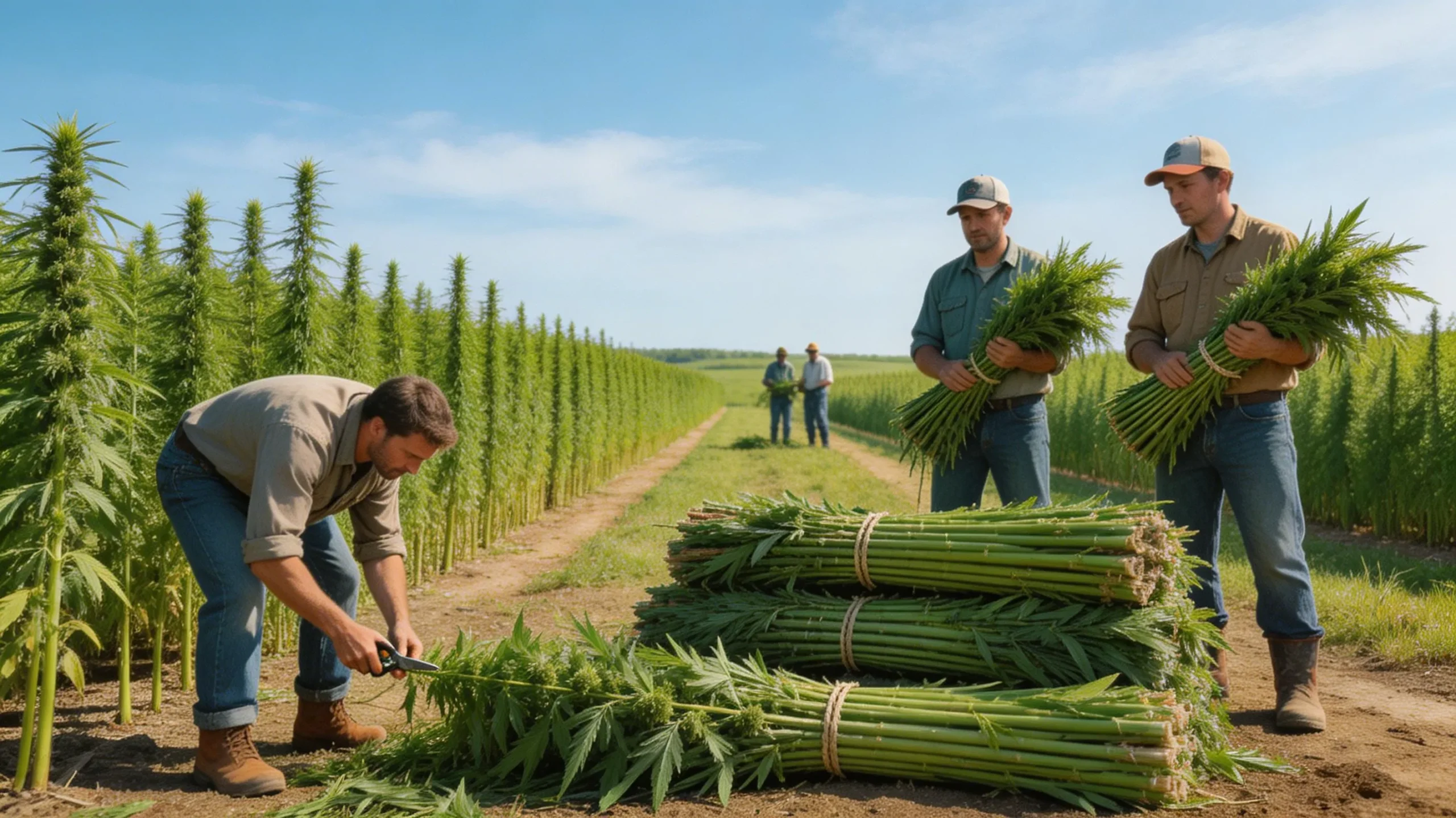
As the global hemp industry continues to grow, many researchers and entrepreneurs are exploring the possibility of Hemp Cultivation in the Middle East. Hemp is widely cultivated in several regions around the world, including Europe, North America, and parts of Asia.
However, the Middle East has a unique climate that presents both opportunities and challenges for agricultural crops. Because of this, discussions about Hemp Cultivation in the Middle East often focus on climate conditions, water availability, and agricultural technology.
Understanding whether hemp can be cultivated in this region requires examining environmental factors as well as agricultural practices.
Climate Conditions in the Middle East
The climate across much of the Middle East is characterized by high temperatures, low rainfall, and desert landscapes. These conditions make agriculture more challenging compared to regions with moderate climates.
When studying Hemp Cultivation in the Middle East, climate is one of the most important factors. Hemp typically grows best in temperate climates with moderate rainfall and well-balanced soil conditions.
However, modern agricultural technologies such as irrigation systems and controlled farming environments may help adapt hemp cultivation to different climates.
Water Availability and Agriculture
Water resources are another key factor influencing Hemp Cultivation in the Middle East.
Agriculture in many Middle Eastern countries relies heavily on irrigation due to limited rainfall. While hemp requires water like any other crop, it generally needs less water compared to some traditional fiber crops.
This characteristic makes hemp an interesting crop for regions that are exploring efficient water usage in agriculture.
However, careful water management would still be necessary for successful cultivation in arid environments.
Soil and Growing Conditions
Soil quality also plays a role in Hemp Cultivation in the Middle East. Hemp plants grow best in well-drained soil with balanced nutrients.
Some areas of the Middle East have sandy soils that may require soil improvement techniques before supporting large-scale hemp farming.
Agricultural innovations such as soil conditioning and controlled cultivation methods could help address these challenges.
Global Examples of Hemp Farming in Warm Climates
Although hemp is traditionally associated with temperate regions, it is also cultivated in several warm climates around the world.
Countries with warm agricultural environments have developed farming techniques that allow hemp plants to grow successfully with irrigation and proper soil management.
These examples demonstrate that Hemp Cultivation in the Middle East may be technically possible with the right agricultural practices and technologies.
Legal and Regulatory Factors
In addition to environmental conditions, regulations play an important role in Hemp Cultivation in the Middle East.
Many countries in the region maintain strict drug laws regarding cannabis-related plants. Because hemp belongs to the cannabis family, governments often regulate its cultivation carefully.
Any future development of hemp agriculture in the Middle East would depend on national regulations and agricultural policies.
Future Possibilities
As global demand for sustainable materials continues to rise, interest in hemp farming may expand into new regions.
If governments explore regulated industrial hemp agriculture and agricultural technology continues to improve, Hemp Cultivation in the Middle East may become part of future discussions about sustainable crops and renewable resources.
Research institutions and agricultural innovators may play a key role in exploring this possibility.
Conclusion
The idea of Hemp Cultivation in the Middle East raises interesting questions about agriculture, climate adaptation, and sustainable industries.
While the region presents environmental and regulatory challenges, modern farming technologies and increasing interest in sustainable materials may encourage further research into hemp cultivation.
Understanding these possibilities can help researchers, policymakers, and entrepreneurs evaluate the future potential of hemp farming in the Middle East.
Leave a Reply