
Building With Plants? Yes, It’s Possible
When people think about construction materials, they usually imagine concrete, steel, or bricks. But around the world, architects and engineers are starting to experiment with something very different — plants.
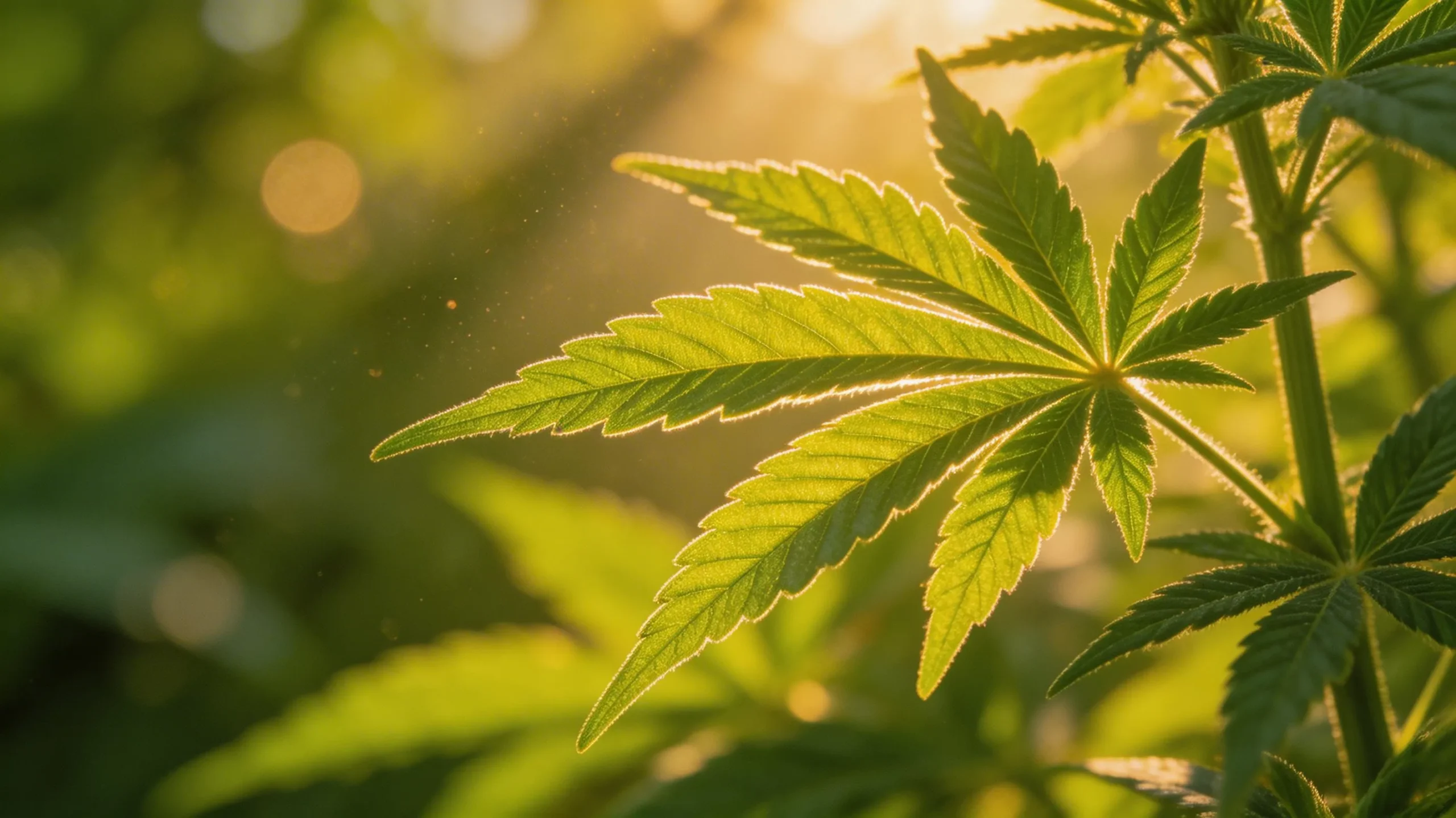
One of the most interesting materials in sustainable construction today is hemp. The plant can be processed into several building materials that are lightweight, durable, and environmentally friendly.
Because of these qualities, hemp construction materials are becoming part of the conversation around green architecture and sustainable building.
What Are Hemp Construction Materials?
Hemp construction materials are building products made from parts of the hemp plant, mainly the woody core of the stalk known as hemp hurd.
These plant materials are mixed with natural binders such as lime to create building products that can be used in walls, insulation, and structural filling.
Unlike traditional construction materials that rely heavily on energy-intensive manufacturing, hemp-based materials are considered more sustainable because they come from renewable plant sources.
Hempcrete: The Most Popular Hemp Building Material
One of the most well-known hemp construction materials is hempcrete.
Hempcrete is made by mixing hemp hurd with lime and water. The mixture forms a lightweight material that can be used in walls and insulation.
Although hempcrete is not usually used as a structural replacement for concrete, it works well as an insulating material inside building frames.
Many architects use hempcrete because it helps regulate temperature and provides natural insulation.
Natural Insulation and Panels
Hemp fibers can also be processed into insulation materials used inside walls and ceilings.
These natural insulation panels help maintain indoor temperatures and reduce energy usage in buildings. Because they are made from plant fibers, they are often considered a more sustainable alternative to synthetic insulation.
Hemp-based fiber panels are also used in certain architectural and interior design applications.
Why Builders Are Interested in Hemp
The construction industry is one of the largest contributors to global carbon emissions. Because of this, architects and engineers are increasingly searching for materials that reduce environmental impact.
Hemp plants grow quickly and absorb carbon dioxide during their growth cycle. When used in construction materials, hemp fibers can support environmentally friendly building projects.
For this reason, hemp construction materials are often associated with green building and sustainable architecture.
Global Use of Hemp in Construction
Several countries in Europe and North America have already experimented with hemp-based construction materials.
Small houses, eco-friendly buildings, and experimental architecture projects have used hempcrete walls, hemp insulation, and natural fiber panels.
Although the industry is still developing, interest in plant-based construction materials continues to grow as governments and companies focus on sustainability.
The Future of Hemp in Building Materials
Hemp construction materials represent a shift toward natural and renewable building resources.
While traditional materials like concrete and steel will continue to dominate construction, plant-based alternatives such as hemp offer new possibilities for sustainable architecture.
As technology improves and industries continue to explore green building solutions, hemp may play a larger role in the future of construction.
Conclusion
Hemp construction materials show how natural resources can support modern building innovation.
From hempcrete to fiber insulation, hemp-based materials offer environmentally friendly alternatives for architects and builders interested in sustainable design.
As the construction industry continues to explore greener solutions, hemp remains one of the most promising plant-based materials being studied today.
Leave a Reply