
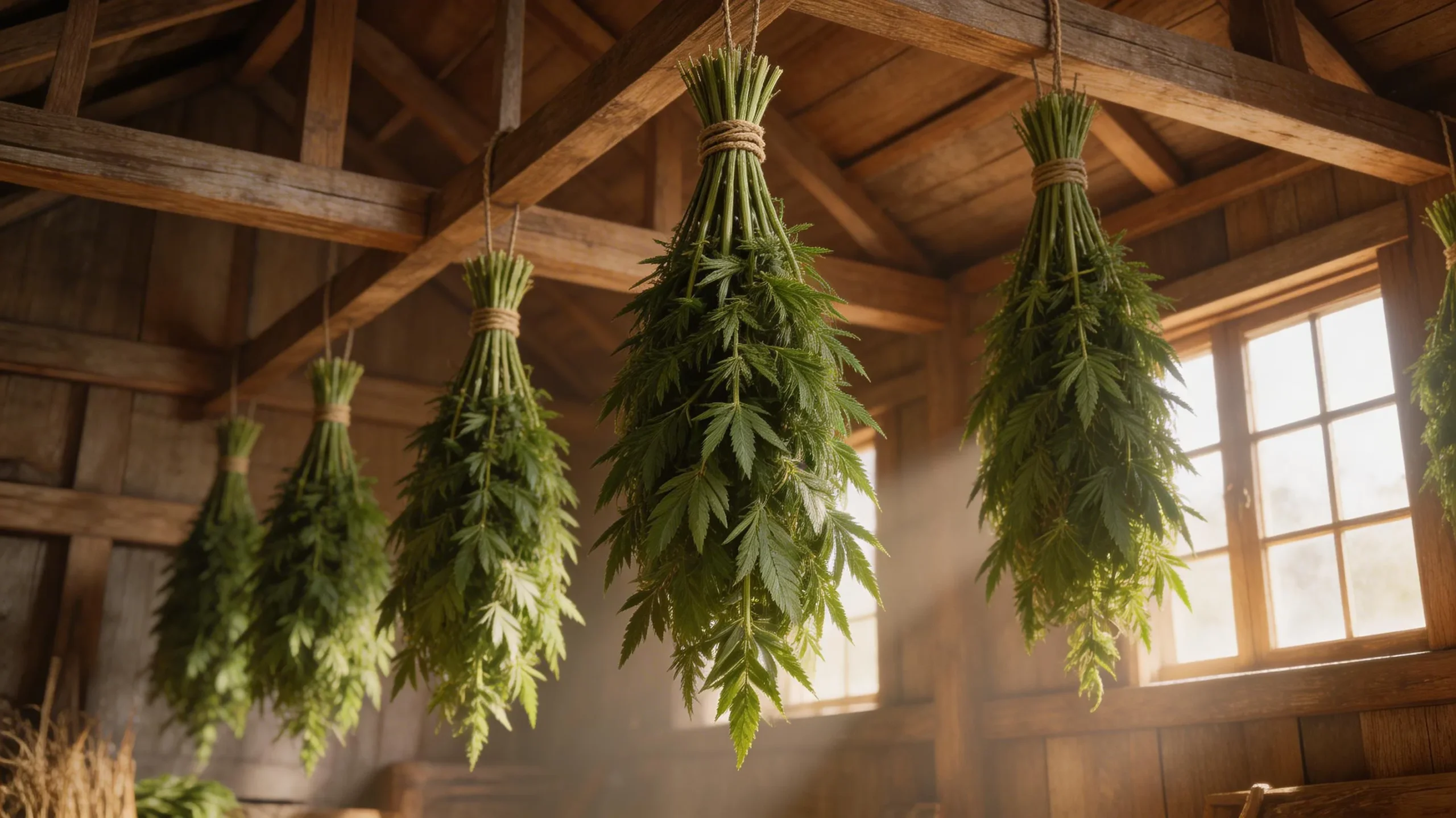
The Growing Global Interest in Hemp Businesses
Across the world, hemp has moved from being a niche agricultural plant to becoming the foundation of a rapidly expanding industry. Companies in North America, Europe, and parts of Asia now use hemp to produce textiles, construction materials, cosmetics, and pharmaceutical ingredients.
Because of this global growth, many entrepreneurs and investors are curious about hemp companies UAE and whether businesses can operate in this sector.
However, the UAE has taken a very different path compared to countries that have large retail cannabis markets.
A Market Focused on Regulation
In the UAE, hemp-related activities are governed by Federal Decree-Law No. 24 of 2025, which introduced a regulated system for industrial and medical uses of hemp.
This means hemp businesses cannot simply open retail stores selling cannabis products. Instead, the framework focuses on licensed industrial operations, pharmaceutical development, and controlled research activities.
Companies interested in working with hemp must operate under government approval and strict compliance with regulatory standards.
What Type of Hemp Companies Could Exist
Rather than lifestyle cannabis brands, hemp companies UAE would likely fall into a few specific categories.
One category includes industrial manufacturing companies that may use hemp fibers or hemp-based materials in production processes. Globally, these companies produce materials used in textiles, insulation, biodegradable plastics, and industrial composites.
Another category involves pharmaceutical companies studying cannabis-derived compounds for potential medical treatments. These activities usually take place in research laboratories and pharmaceutical manufacturing facilities.
There may also be licensed research institutions that study hemp plants, plant compounds, and potential medical applications.
What Hemp Companies Cannot Do
Unlike some international markets, hemp companies in the UAE cannot operate recreational cannabis businesses.
Retail cannabis products such as THC gummies, cannabis flower, THC vape cartridges, THC oils, and cannabis beverages are not allowed.
The UAE also does not have consumer cannabis wellness stores that sell products like CBD oils or THC edibles.
Because of this, hemp companies in the UAE operate mainly within industrial or pharmaceutical sectors rather than consumer retail markets.
Why Global Businesses Are Still Interested
Even with strict regulations, global companies still pay attention to regulatory developments in the UAE.
The country is known for being one of the world’s most important trade hubs. It connects markets across the Middle East, Asia, Europe, and Africa, making it an attractive location for international business operations.
If hemp-based materials become more widely used in industries such as manufacturing or pharmaceuticals, companies operating in regulated sectors may explore opportunities within the UAE’s legal framework.
A Different Kind of Hemp Industry
The structure of the hemp sector in the UAE reflects the country’s broader regulatory approach. Instead of focusing on consumer cannabis markets, the UAE prioritizes industrial innovation, pharmaceutical research, and tightly controlled manufacturing.
This means hemp companies in the region would likely be involved in research, material production, or pharmaceutical development rather than retail cannabis sales.
Final Thoughts
The conversation around hemp companies in the UAE is still evolving as regulations continue to shape how the industry develops.
While recreational cannabis businesses remain illegal, the UAE has introduced a controlled framework that allows certain hemp-related activities in industrial and medical contexts.
For businesses exploring this space, understanding the regulatory environment is the first step toward navigating opportunities within the emerging hemp sector.
Leave a Reply