
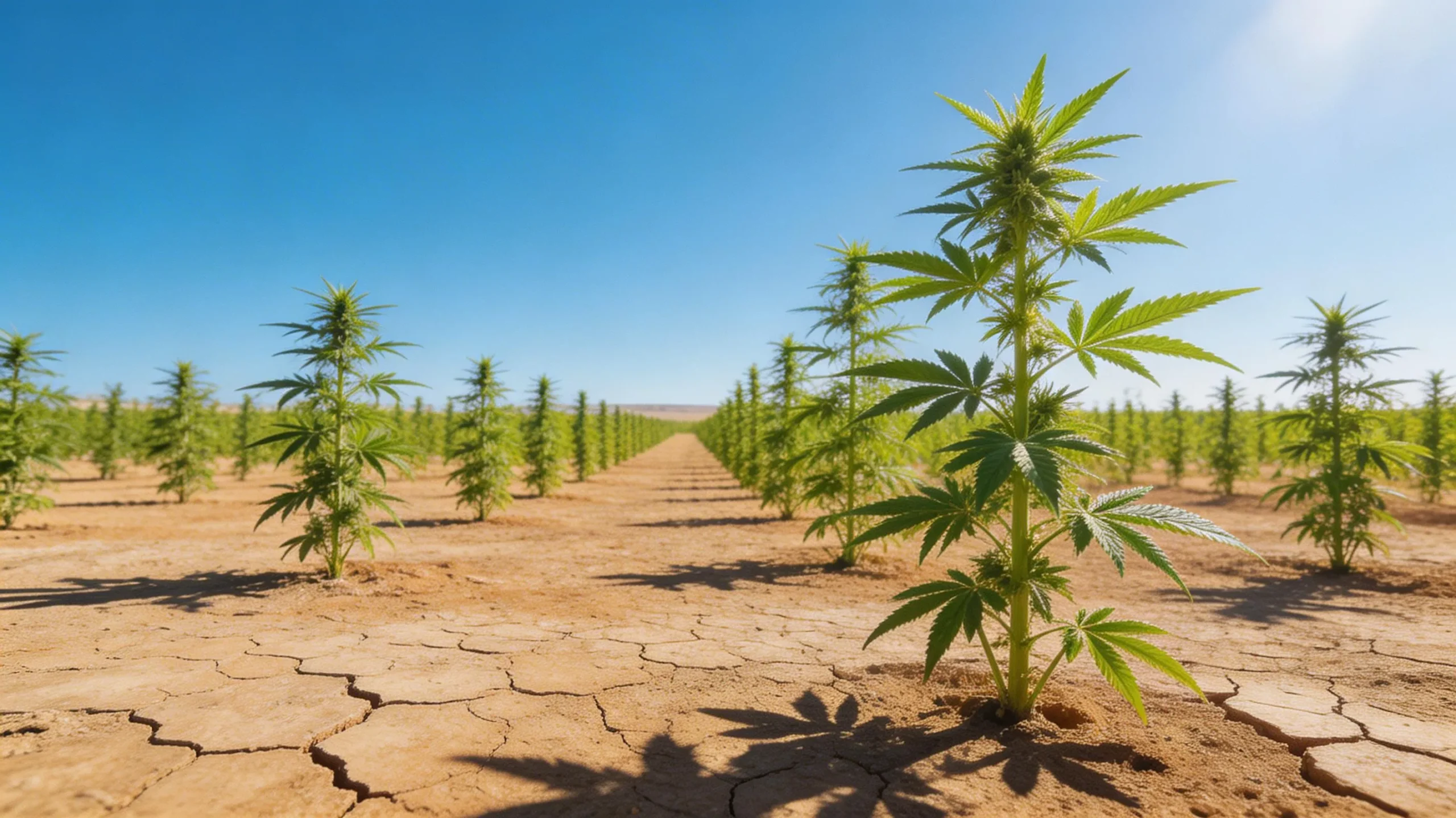
A New Kind of Startup Energy in the UAE
Over the past few years, something subtle but powerful has been happening in the UAE. The conversation around business is slowly shifting from just growth and scale to something more meaningful—sustainability, long-term impact, and smarter materials. This shift is not loud or dramatic, but if you look closely, it is everywhere. From how buildings are being designed to how brands are positioning themselves, there is a growing awareness that the future cannot rely on the same systems that built the past.
In the middle of this transition, a new category of startups is beginning to emerge—those that are built not just around products, but around materials and ideas that support a more sustainable way of living. This is where hemp starts to enter the picture. Not as a trend, and not as a buzzword, but as a material that quietly fits into multiple industries. The idea of hemp-based sustainable startups in the UAE may still feel new, but it is already becoming relevant in conversations around fashion, construction, packaging, and beyond.
What makes this space interesting is not just the material itself, but the timing. The UAE is at a stage where it is open to innovation, but still selective about how that innovation enters the market. This creates a unique environment for startups—one where creativity is possible, but only when it aligns with structure, regulation, and long-term vision.
Understanding Hemp in the UAE Without the Noise
Before thinking about startups, it is important to understand how hemp actually exists in the UAE today. Globally, hemp is often associated with wellness products, CBD oils, and lifestyle consumption. That narrative is strong in countries like the United States and parts of Europe, but it does not translate directly into the UAE.
The introduction of Federal Decree-Law No. 24 of 2025 marked a significant step in how hemp is recognized in the country. It created a legal framework where hemp is allowed, but only within controlled environments such as industrial use, pharmaceutical applications, and research. Within these systems, hemp must contain less than 0.3% THC and must be handled by licensed entities.
What this means in practical terms is that the UAE is not building a consumer hemp market. It is building a regulated, industry-focused ecosystem. For startups, this changes everything. You are not entering a space where you can freely experiment with product categories. Instead, you are working within a system that values structure, clarity, and compliance.
At first, this may seem restrictive, but it also brings a level of stability that many emerging markets lack. When the rules are clear, businesses can build with more confidence, knowing that they are aligned with the direction the market is taking.
Why Hemp Naturally Fits the UAE’s Sustainability Vision
To understand why hemp startups are gaining attention, you need to look at the bigger picture of where the UAE is heading. The country has been actively investing in sustainability, not just as a global image, but as a long-term necessity. Initiatives around green buildings, renewable energy, and eco-conscious development are becoming more visible each year.
Hemp fits into this vision in a very natural way. It is not a single-use material. It is adaptable, versatile, and capable of being integrated into multiple industries. From textiles and packaging to construction and manufacturing, hemp offers a way to rethink how materials are sourced and used.
For startups, this creates an interesting advantage. Instead of building something entirely new, you are working with a material that can plug into existing industries while improving how they operate. This makes hemp less of a “new idea” and more of a better alternative.
In a market like the UAE, where innovation is often tied to infrastructure and long-term planning, this kind of adaptability is valuable. It allows startups to align with national goals rather than compete against them.
Where the Real Startup Opportunities Exist
When people first hear about hemp startups, they often think about products they have seen elsewhere—CBD oils, edibles, or wellness brands. But in the UAE, those categories are not the starting point. The real opportunities lie in areas that are less obvious but far more aligned with the local market.
One of the most promising areas is material-driven businesses. Instead of focusing on end products, startups can focus on supplying hemp-based materials to industries that are already established. This includes fashion designers looking for alternative fabrics, packaging companies exploring sustainable options, and manufacturers searching for new inputs.
Another strong opportunity lies in brand-led sustainable products, particularly in fashion and lifestyle. The key here is subtlety. A successful startup does not position itself as a “hemp brand” in a loud or direct way. Instead, it builds a strong identity around design, comfort, and sustainability, with hemp quietly supporting that story.
There is also growing space for knowledge and content-driven startups. Since awareness is still developing, there is value in platforms that educate, inform, and guide both consumers and businesses. These platforms may not look like traditional startups at first, but they play an important role in shaping how the market evolves.
Building a Startup That Actually Works Here
One of the biggest mistakes founders can make is trying to replicate what works in other countries. The UAE requires a different approach—one that is more thoughtful, more refined, and more aware of perception.
A hemp-based startup here should not feel experimental or niche. It should feel intentional, polished, and relevant. This applies to everything from product design to branding and communication.
Instead of leading with hemp, startups should lead with:
- comfort
- functionality
- design
- lifestyle
Hemp becomes the material that enhances these qualities, not the feature that defines the product.
This shift in thinking is subtle but powerful. It allows the startup to fit naturally into the market rather than standing out in a way that creates confusion or hesitation.
The Role of Branding in Shaping Acceptance
In the UAE, branding is not just about aesthetics—it is about trust and perception. A brand that looks and feels premium is more likely to be accepted, especially when it introduces something unfamiliar.
For hemp-based startups, this becomes even more important. The brand should feel clean, minimal, and globally aligned. It should avoid any visual or verbal cues that connect it to cannabis culture. Instead, it should focus on creating a sense of calm, quality, and reliability.
When done correctly, branding acts as a bridge. It helps people move from curiosity to comfort, making it easier for them to engage with something new.
Challenges That Shape the Journey
Building a hemp-based startup in the UAE is not without its challenges. Regulations require careful attention, and the market’s limited awareness means that education is often part of the process.
There is also the challenge of sourcing. Since hemp is not widely produced locally, startups need to rely on international suppliers, which adds complexity to logistics and operations.
At the same time, perception can be a barrier. Even though hemp is distinct from cannabis in its industrial form, the association still exists in people’s minds. Overcoming this requires patience and clear communication.
But these challenges are also what make the space interesting. They create a barrier to entry that keeps the market from becoming overcrowded too quickly.
Why Early Movers Have an Advantage
Every emerging market has a phase where it is still forming, still finding its shape. The UAE hemp space is currently in that phase. Awareness is growing, regulations are being defined, and industries are beginning to explore possibilities.
For startups, this is the ideal moment to enter. Not because everything is ready, but because it is not.
Being early means you have the chance to:
- define your category
- build strong brand identity
- establish relationships
- learn before the market becomes competitive
It is not about immediate scale—it is about long-term positioning.
A Different Way to Think About Hemp Startups
Instead of asking how to build a hemp startup, it may be more useful to ask a different question.
How can hemp improve what already exists?
This shift changes your approach completely. You are no longer trying to create something from scratch. You are enhancing systems that are already in place, making them more sustainable, more efficient, or more future-ready.
This is where the real value lies.
Final Thoughts
The idea of hemp-based sustainable startups in the UAE is not about chasing a trend. It is about understanding a material, a market, and a moment in time.
The UAE is building a future that values innovation, but also demands structure. Hemp fits into that future in a quiet but meaningful way. It is not the headline—it is part of the foundation.
For startups, this creates a space that is both challenging and full of potential. It requires patience, clarity, and a willingness to think differently.
But for those who get it right, the opportunity is not just to build a business.
It is to be part of something that is still taking shape—and to help define what it becomes.
Leave a Reply