
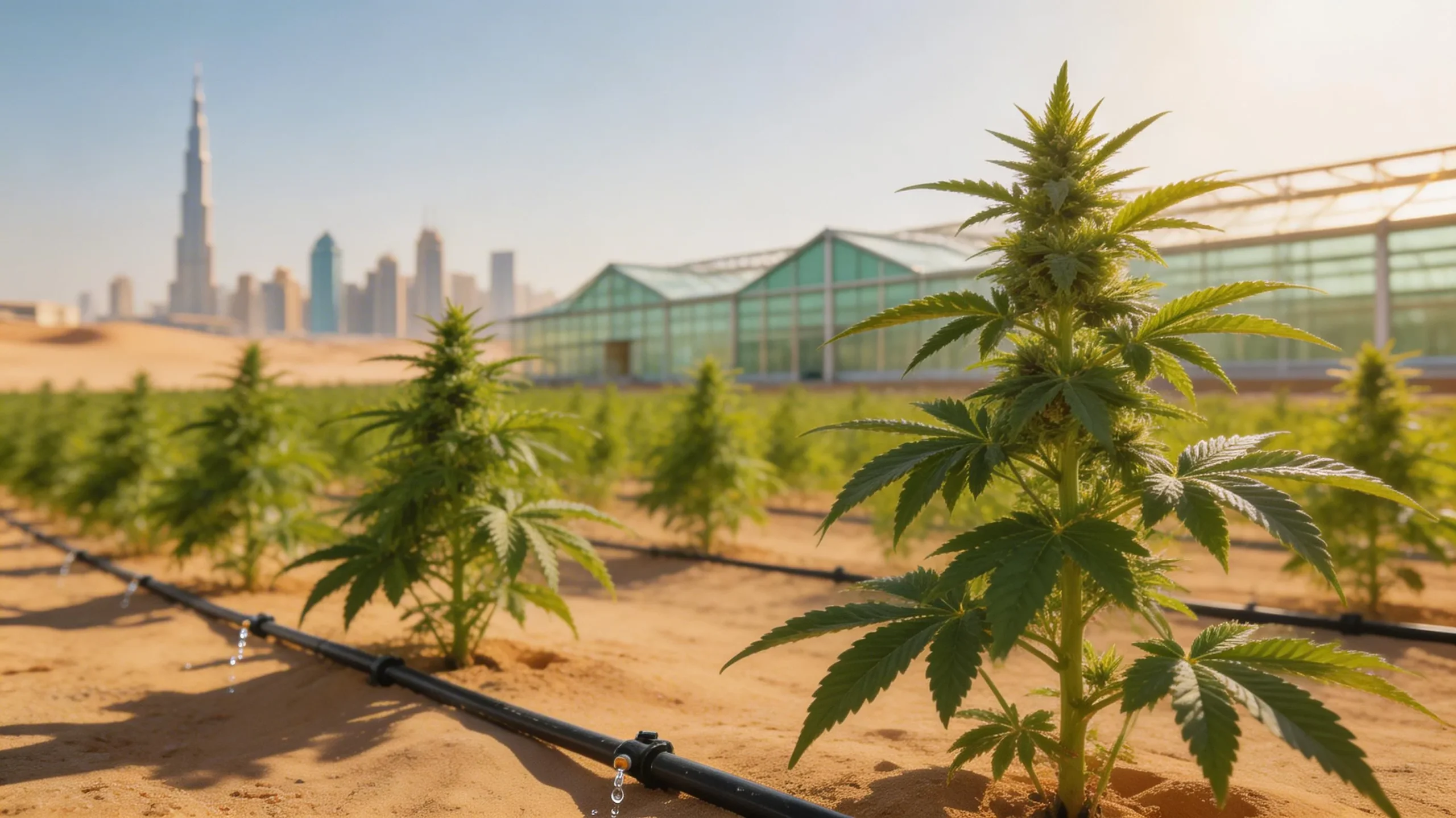
A Market That’s Quietly Opening Up
If you look at the UAE from a surface level, it may seem like hemp isn’t really a “thing” yet. You won’t see shelves filled with hemp products, and you won’t find wellness stores promoting it openly. But when you shift your perspective from consumer markets to business ecosystems, a very different picture starts to emerge.
The UAE is not building a hemp retail market—it is building a supply-driven, industrial ecosystem. And that’s exactly where the real opportunity lies.
For entrepreneurs, suppliers, and global exporters, B2B hemp supply opportunities in the UAE are becoming increasingly relevant. The demand is not loud yet, but it is forming in the background through industries like textiles, construction, manufacturing, and sustainable materials.
This is the kind of market where those who understand early tend to benefit the most later.
Understanding the Legal Foundation First
Before diving into opportunities, it’s important to understand the legal structure shaping this space.
The UAE introduced Federal Decree-Law No. 24 of 2025, which brought hemp into a regulated legal framework. Under this law, hemp is allowed only under controlled conditions, mainly for industrial use, pharmaceutical applications, and research.
One key requirement is that hemp must contain less than 0.3% THC. However, this rule applies specifically to licensed activities such as manufacturing and medical use. It does not mean that hemp products are freely tradable in the consumer market.
This distinction is crucial. The UAE is not opening doors for retail hemp businesses—it is creating a system for licensed, regulated, B2B operations.
For suppliers, this is actually a positive sign. It means the market will be structured, controlled, and focused on serious business use rather than fragmented retail demand.
Why the UAE Is Positioned for Hemp Supply Growth
The UAE has always been more than just a local market—it is a global trade hub. Its geographic location, advanced logistics infrastructure, and strong import-export networks make it an ideal gateway between Asia, Europe, and Africa.
Now, when you combine this with the global rise of hemp as a sustainable material, the UAE naturally becomes a strategic location for supply and distribution.
Industries worldwide are exploring alternatives to traditional materials, and hemp is often part of that conversation. Whether it’s for textiles, packaging, or construction, the demand for plant-based materials is increasing.
The UAE is aligning itself with this shift, not by becoming a production-heavy country, but by positioning itself as a processing, distribution, and trade hub.
Key Industries Driving B2B Hemp Demand
To understand where opportunities lie, you need to look at the industries that are most likely to adopt hemp materials.
Textile and Fashion Industry
Dubai has a growing fashion ecosystem, with designers and brands constantly exploring new materials. Hemp fabric, known for its durability and breathability, fits well into this space.
While it is still niche, there is increasing interest in sustainable textiles. Suppliers who can provide consistent quality hemp fabric or blends have a clear entry point into this market.
Construction and Sustainable Materials
Globally, hemp is being used in construction materials such as hempcrete and insulation. While this segment is still developing in the UAE, the country’s focus on sustainable infrastructure makes it a potential future opportunity.
As green building initiatives grow, materials like hemp could become part of larger supply chains.
Packaging and Manufacturing
Sustainable packaging is another area where hemp has potential. Businesses are looking for alternatives to plastic and synthetic materials, and hemp-based solutions are part of that conversation.
For B2B suppliers, this opens doors to collaborate with brands that want to align with sustainability goals.
Pharmaceutical and Controlled Use
Although highly regulated, the pharmaceutical sector represents a structured and high-value segment.
Licensed companies may require hemp inputs for medical or research purposes. However, entering this space requires compliance, approvals, and partnerships with authorized entities.
Types of B2B Opportunities in Hemp Supply
Now let’s talk practically—what kind of businesses can actually be built around this?
Import and Distribution
One of the most straightforward opportunities is importing hemp raw materials or semi-processed goods and distributing them within the UAE.
This could include:
- Hemp fabric
- Hemp fiber
- Industrial hemp materials
Since local production is limited, imports become essential, creating space for suppliers who can manage sourcing and logistics effectively.
Supplier Partnerships
Instead of operating independently, businesses can act as intermediaries between global hemp producers and UAE-based companies.
This model focuses on:
- Building relationships with manufacturers
- Understanding local demand
- Facilitating supply agreements
It’s a low-investment, network-driven approach that can scale over time.
Private Label and Bulk Supply
Another opportunity lies in supplying hemp-based materials to brands that want to create their own products.
For example, a fashion brand may want hemp fabric but does not want to handle sourcing directly. A supplier can fill that gap by offering bulk materials or private label solutions.
Consulting and Sourcing Services
As awareness grows, many businesses will need guidance on how to integrate hemp into their operations.
This creates an opportunity for consulting services focused on:
- Material sourcing
- Compliance understanding
- Sustainable product development
This is a knowledge-driven business model that does not require heavy investment.
Challenges You Need to Be Aware Of
While the opportunities are promising, the UAE hemp space is not without its challenges.
The biggest challenge is regulatory clarity. Since the industry is still evolving, businesses must stay updated with laws and ensure full compliance.
Another challenge is limited local awareness. Many companies are still in the exploration phase and may not fully understand hemp’s potential.
Logistics and sourcing can also be complex, especially when dealing with international suppliers and regulatory checks.
However, these challenges are also what make the market less competitive. Not everyone is willing to navigate them.
Why This Is a Long-Term Play
If you’re looking for quick profits, this may not be the right space. But if you’re thinking long-term, the potential is significant.
The UAE is building the foundation for a structured hemp industry. As sustainability becomes a priority and industries evolve, the demand for alternative materials will grow.
Being part of the supply chain early means you are not chasing demand—you are positioned ahead of it.
The Real Insight Most People Miss
Most people look at hemp and think about products.
But in the UAE, the real opportunity is not in selling hemp products—it’s in moving hemp materials.
This shift in thinking changes everything.
Instead of competing in crowded consumer markets, you are operating in a space where:
- Demand is forming
- Competition is low
- Margins can be higher
- Relationships matter more than marketing
Final Thoughts
B2B hemp supply opportunities in the UAE are not obvious at first glance, but they are very real for those who understand the market.
The UAE is not trying to replicate global hemp trends. It is building a controlled, industrial ecosystem where hemp plays a role in future-facing industries.
For suppliers, traders, and entrepreneurs, this creates a unique window of opportunity. By focusing on compliance, building strong networks, and aligning with industrial demand, you can position yourself in a space that is only going to grow over time.
The market may still be quiet—but it’s definitely moving.
Leave a Reply