
Sustainability is no longer just a concept.
It has become a direction.
Across the UAE, there is a visible shift toward building systems that are not only efficient but also aligned with long-term environmental goals. From energy to construction to consumer products, the idea of a “green economy” is shaping how industries evolve.
This shift is not happening in isolation.
It is part of a broader vision, one that focuses on innovation, resource efficiency, and future-ready solutions.
Within this landscape, materials and resources are being re-evaluated.
Hemp is one of them.
Understanding hemp green economy UAE 2026 is not about positioning hemp as the center of this transformation. It is about exploring how it fits into a system that is already moving toward sustainability.
What Is a Green Economy in the UAE Context?
A green economy is often described in broad terms, but in the UAE, it has a specific meaning.
It is about balancing economic growth with environmental responsibility.
This includes:
Efficient use of resources
Reduction of environmental impact
Adoption of innovative technologies
Development of sustainable industries
The goal is not just to grow, but to grow in a way that is aligned with future needs.
This creates a framework where new materials and ideas are constantly being explored.
Why Hemp Enters the Green Economy Conversation?
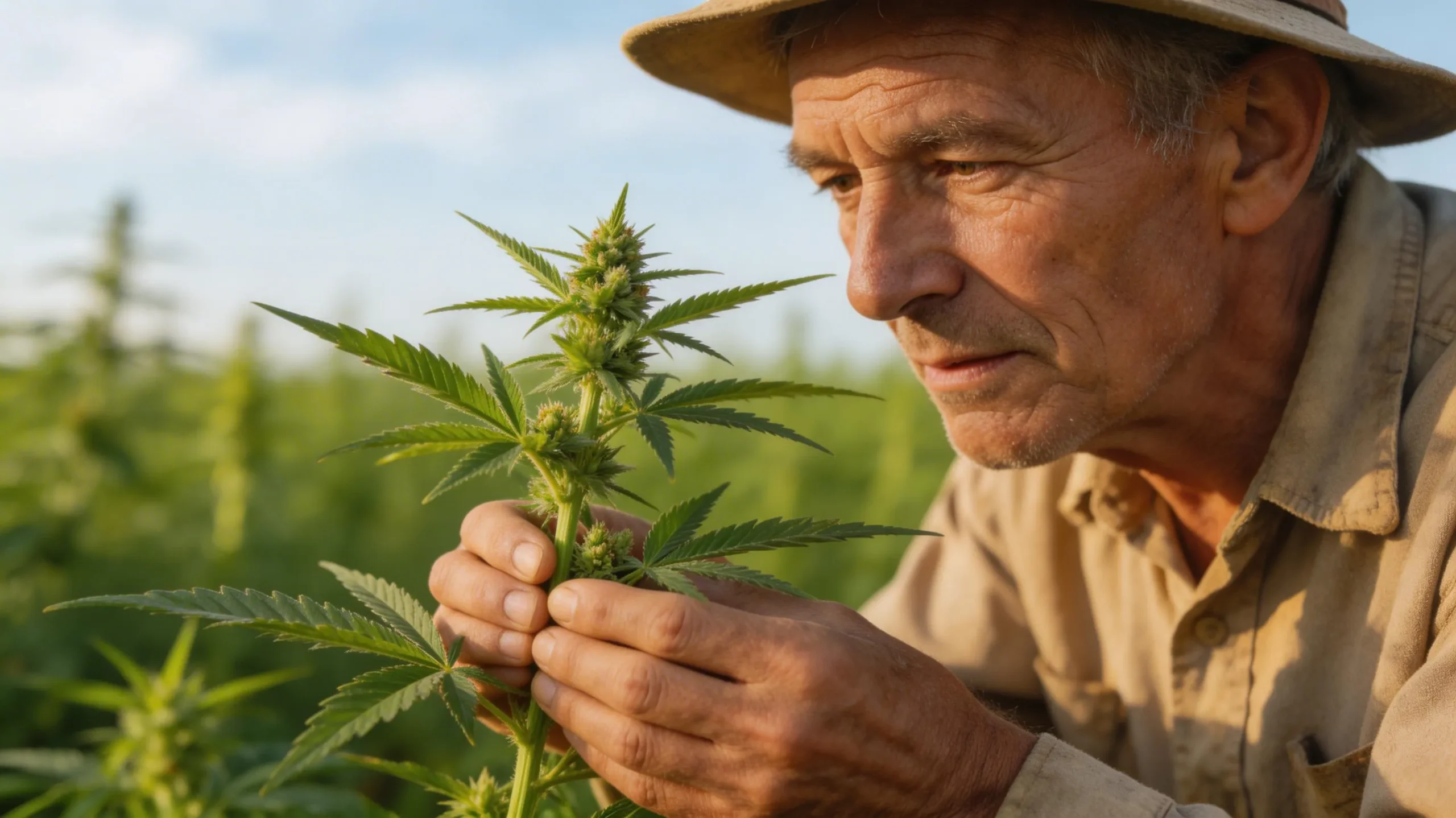
Hemp is often discussed globally as a versatile material.
It can be used in textiles, construction, food, and more. This versatility is what brings it into conversations about sustainability.
In a system where industries are looking for adaptable materials, hemp stands out because it can be applied across multiple sectors.
It is not limited to one use.
It can support different parts of the economy.
This multi-industry relevance is what connects it to the idea of a green economy.
Industrial Versatility: One Material, Multiple Industries
One of the most important aspects of hemp is its ability to serve different industries.
In textiles, it can be used to create fabrics.
In construction, it can be processed into alternative materials.
In food, it appears in the form of seeds and oils.
This versatility means that hemp is not confined to a single market.
It can contribute to multiple sectors simultaneously.
This aligns with the UAE’s approach to building interconnected industries.
Sustainability Through Material Choice
The materials used in products and infrastructure play a significant role in shaping sustainability.
Choosing the right material can influence how resources are used, how products are manufactured, and how systems operate over time.
Hemp enters this conversation as an alternative.
Not necessarily a replacement, but an option.
It offers a way to diversify material choices within a system that is already evolving.
The UAE’s Focus on Innovation
Innovation is at the core of the UAE’s development strategy.
From smart cities to advanced infrastructure, there is a strong emphasis on exploring new ideas and integrating them into existing systems.
Hemp fits into this environment as a material that can be reimagined.
It is not just about traditional uses.
It is about how it can be adapted to modern needs.
This connection between material and innovation is what makes it relevant.
Regulatory Alignment: The Key to Integration
For any material to become part of the UAE’s green economy, it must align with regulatory frameworks.
This means that hemp is not introduced based on global trends alone.
It is evaluated based on:
Composition
Application
Alignment with standards
This structured approach ensures that growth is controlled and sustainable.
It also means that integration takes time.
Market Development: A Gradual Process
The development of new materials within an economy does not happen overnight.
It is a gradual process.
Awareness grows.
Industries explore applications.
Products begin to appear.
Hemp is currently in this stage in the UAE.
It is present, but not yet fully established.
This gradual development is what shapes its role.
Consumer Awareness and Demand
Consumers play a role in shaping the green economy.
As awareness grows, preferences begin to shift.
People start paying attention to materials, products, and how they fit into a larger system.
Hemp becomes part of this awareness.
It is not something everyone actively seeks.
But it is something people begin to notice.
Global Influence on the UAE Market
The UAE is closely connected to global markets.
Trends, innovations, and ideas move quickly across borders.
As hemp gains attention globally, it naturally becomes part of the conversation in the UAE.
This influence shapes perception.
It creates curiosity.
And over time, it contributes to market development.
Challenges That Shape the Role of Hemp
While hemp has potential, its integration into the green economy comes with challenges.
Regulatory alignment is one.
Market awareness is another.
Supply chain development also plays a role.
These challenges do not limit growth.
They define how it happens.
The Future of Hemp in the UAE Green Economy
Looking ahead, hemp is likely to remain part of the broader conversation around sustainability.
Its role will depend on how industries choose to explore it and how it aligns with evolving systems.
This means that its presence will grow gradually.
Not as a sudden shift, but as a steady integration.
The Bigger Picture: A System That Adapts
The UAE’s green economy is not built around a single material or idea.
It is a system that adapts.
New materials are introduced.
Existing systems are refined.
And industries evolve over time.
Hemp fits into this system as one of many possibilities.
Conclusion: A Material Within a Larger Vision
So, how does hemp fit into the UAE’s green economy in 2026?
It fits as a possibility.
A material that aligns with the direction of sustainability, but does not define it.
This is what defines hemp green economy UAE 2026.
Not as a dominant force, but as a relevant part of a much larger vision.
Because in the UAE, the future is not built on one idea.
It is built on many.
Leave a Reply