
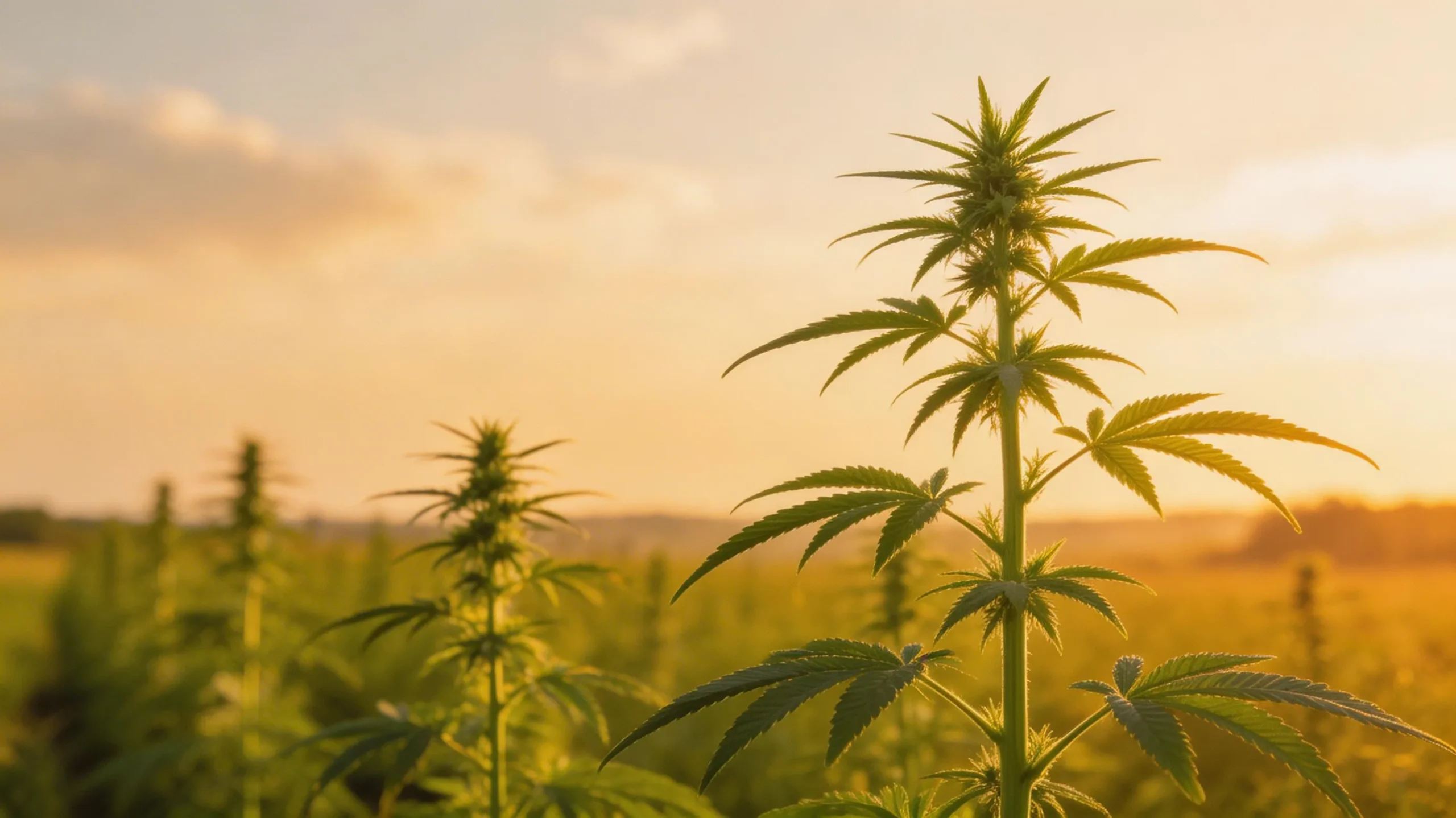
As sustainable fashion continues to gain global popularity, many businesses and consumers are exploring Hemp Textiles in the UAE. Hemp fibers are widely used in clothing, fabrics, and accessories because they are durable, breathable, and environmentally friendly.
However, before importing or selling Hemp Textiles in the UAE, it is important to understand the legal and regulatory environment. The UAE maintains strict regulations around cannabis-related substances, but industrial hemp materials such as fibers and textiles are treated differently from cannabis products.
For entrepreneurs and buyers interested in sustainable materials, understanding how Hemp Textiles in the UAE are regulated can help identify opportunities within the textile and fashion industries.
What Are Hemp Textiles?
Hemp textiles are fabrics made from fibers extracted from the stalks of the hemp plant. Hemp fiber has been used for thousands of years to produce rope, clothing, and durable fabrics.
Today, Hemp Textiles in the UAE and other global markets are used to produce a variety of products such as:
- hemp clothing
- eco-friendly fabrics
- bags and accessories
- home textiles and upholstery
Hemp fibers are valued for their strength and sustainability, making them a popular material in environmentally conscious fashion brands.
Why Hemp Fabrics Are Gaining Popularity
The growing interest in Hemp Textiles in the UAE is largely connected to the global movement toward sustainable fashion.
Hemp requires fewer chemicals and less water compared to many traditional textile crops. This makes hemp fabrics an attractive option for businesses looking to reduce environmental impact.
In addition, hemp fibers are naturally strong and breathable, which makes them suitable for clothing and outdoor fabrics.
Regulations Around Hemp Textiles in the UAE
When discussing Hemp Textiles in the UAE, it is important to distinguish between industrial hemp materials and cannabis-related products.
Hemp textiles are produced from hemp fibers that contain negligible amounts of cannabinoids. Because of this, hemp fabrics are generally considered industrial materials rather than controlled substances.
Businesses planning to import or sell Hemp Textiles in the UAE should still ensure that their products comply with UAE import regulations, labeling requirements, and product safety standards.
Opportunities for Sustainable Fashion Brands
As interest in eco-friendly materials grows, Hemp Textiles in the UAE may present opportunities for fashion brands and textile companies.
Some potential business opportunities include:
- importing hemp fabrics for clothing production
- launching sustainable clothing brands
- producing eco-friendly accessories and bags
- supplying hemp textiles to fashion designers
Companies focused on sustainable fashion may benefit from exploring hemp fabrics as part of their product lines.
The Future of Hemp Textiles in the UAE
The demand for sustainable materials is increasing across multiple industries. As consumers become more aware of environmental issues, interest in Hemp Textiles in the UAE may continue to grow.
Fashion brands, textile manufacturers, and importers may increasingly explore hemp fibers as a sustainable alternative to traditional materials.
Although the hemp industry in the region is still developing, hemp textiles could play a role in the UAE’s broader sustainability initiatives.
Final Thoughts
Interest in Hemp Textiles in the UAE reflects the global movement toward environmentally responsible materials. Hemp fabrics offer durability, sustainability, and versatility for a variety of textile products.
For businesses and buyers exploring sustainable materials, understanding the regulations and opportunities surrounding Hemp Textiles in the UAE can help identify potential opportunities within the growing eco-friendly fashion sector.
Leave a Reply