
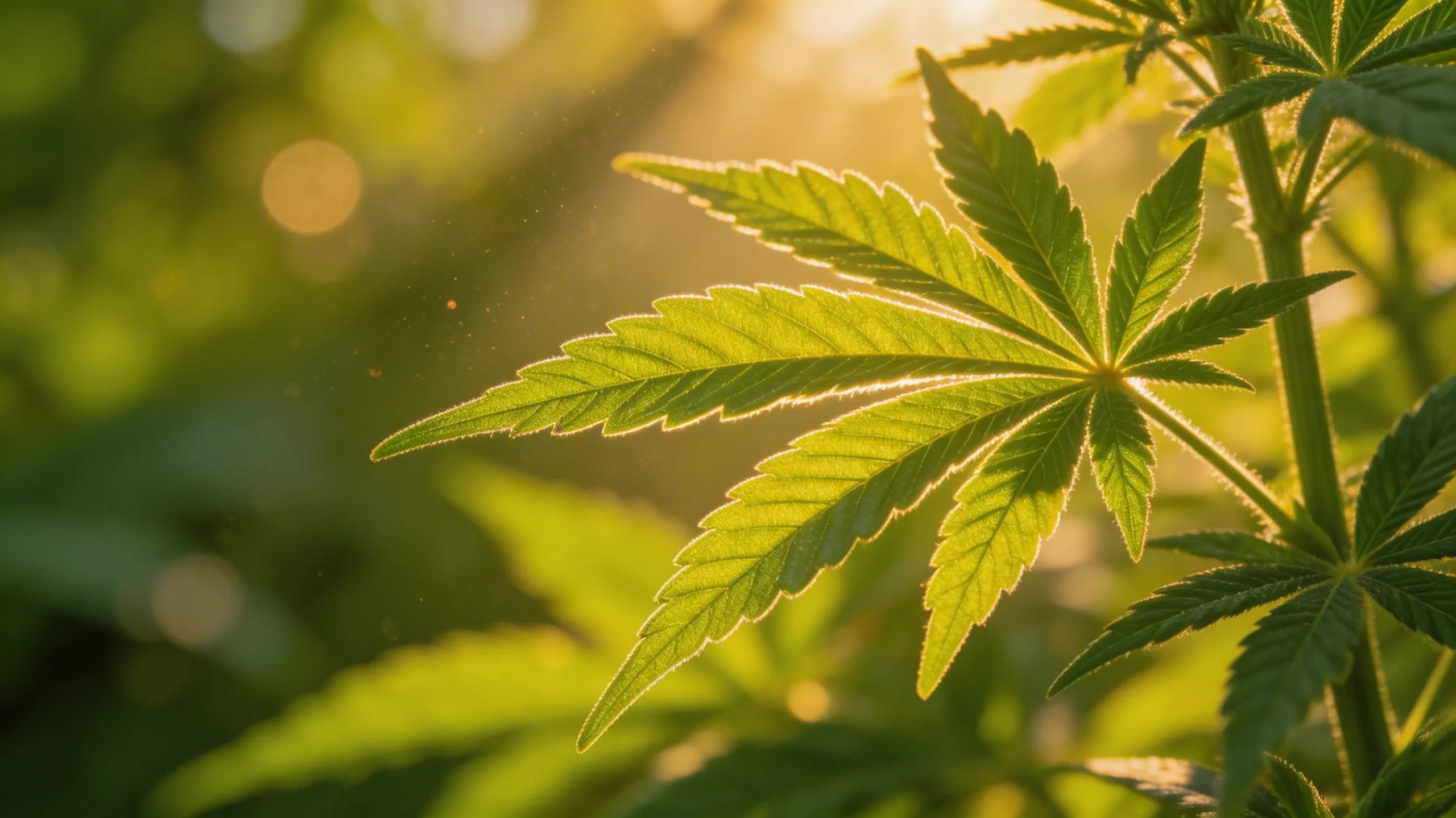
As global demand for industrial hemp continues to grow, many entrepreneurs and agricultural investors are asking an important question: Can Hemp Be Cultivated in the UAE?
Hemp is widely used across industries such as textiles, construction materials, packaging, and manufacturing. Because of its versatility and sustainability, the idea of cultivating hemp has gained attention in several parts of the world.
However, when discussing Can Hemp Be Cultivated in the UAE, it is important to understand the country’s legal framework, agricultural conditions, and regulatory environment.
Understanding Hemp Cultivation
Industrial hemp is a variety of the cannabis plant that contains very low levels of THC, typically less than 0.3%. Unlike marijuana, industrial hemp is cultivated primarily for industrial purposes rather than recreational use.
Globally, hemp farming supports industries such as:
- sustainable textiles
- hemp fiber production
- biodegradable materials
- eco-friendly construction materials
- paper and packaging
Because of these applications, many countries have begun supporting industrial hemp cultivation under regulated frameworks.
Legal Considerations for Hemp Cultivation in the UAE
When asking Can Hemp Be Cultivated in the UAE, the most important factor is regulation.
The UAE Industrial Hemp Law introduced through Federal Decree-Law No. 24 of 2025 provides a framework for the regulated use of industrial hemp in certain sectors. However, hemp cultivation is not widely open for general farming activities.
Under current regulations, hemp cultivation may only be permitted under strict government supervision and licensing. Any agricultural activity related to hemp must comply with the UAE’s narcotics laws and regulatory requirements.
Businesses interested in hemp cultivation must obtain approvals from relevant government authorities before engaging in such activities.
Agricultural Conditions in the UAE
Another factor when evaluating Can Hemp Be Cultivated in the UAE is the country’s climate and agricultural environment.
The UAE has a desert climate with high temperatures and limited natural rainfall. Most agriculture in the region relies on advanced irrigation systems and controlled farming techniques.
If hemp cultivation were to expand in the future, it would likely involve:
- controlled agricultural environments
- advanced irrigation systems
- specialized agricultural zones
Innovative agricultural technologies used in the UAE may support the possibility of cultivating crops like industrial hemp under controlled conditions.
Potential Benefits of Hemp Cultivation
If regulations and agricultural infrastructure support it in the future, hemp cultivation could contribute to several industries.
Potential benefits include:
- local production of sustainable fibers
- support for eco-friendly manufacturing
- supply of raw materials for textiles and construction
- development of new agricultural sectors
These possibilities are part of the broader discussions around Can Hemp Be Cultivated in the UAE as the global hemp industry continues to expand.
Alternative Opportunities in the UAE Hemp Sector
Even if cultivation remains limited, businesses interested in the hemp industry may still find opportunities in related sectors.
Companies exploring the hemp sector in the UAE often focus on:
- importing industrial hemp materials
- distributing hemp-based products
- manufacturing products using hemp fibers
- sustainable packaging solutions
These industries may contribute to the broader development of the hemp ecosystem in the region.
Summary
The question Can Hemp Be Cultivated in the UAE depends largely on regulatory developments and agricultural innovation. While the UAE Industrial Hemp Law introduces a framework for regulated hemp activities, cultivation remains subject to strict government oversight.
As global demand for sustainable materials continues to grow, the role of hemp in the UAE may evolve over time. Entrepreneurs and investors interested in this sector should continue monitoring regulatory updates and emerging opportunities within the hemp industry.
Leave a Reply