
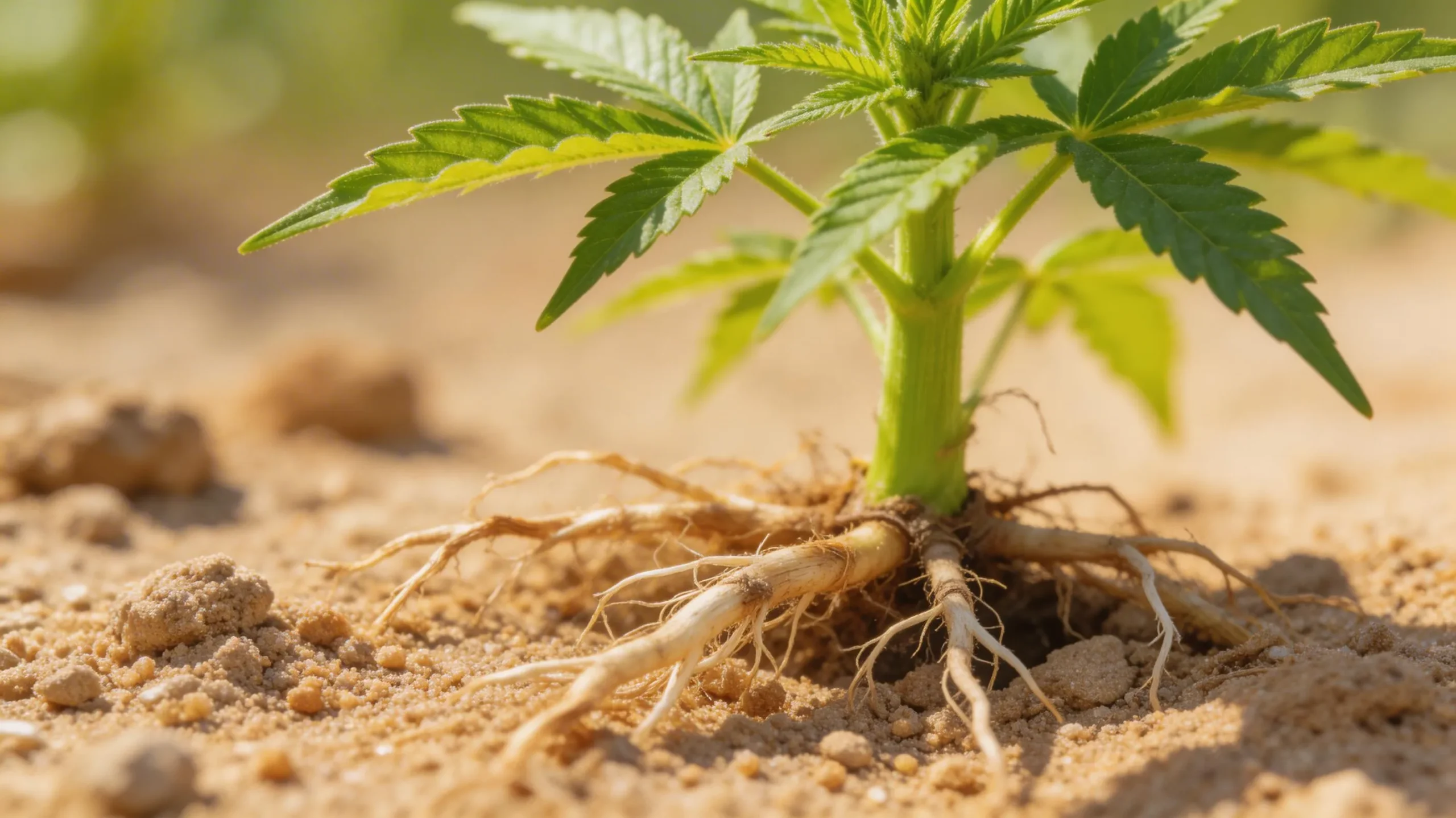
It often starts as a very small decision.
You’re packing for a trip to the UAE, going through your essentials, and you come across something that has become part of your routine, maybe a CBD oil, capsules, or a wellness product you’ve been using regularly. It feels harmless. It’s legal where you bought it. It’s something you trust.
But then the question quietly surfaces:
“Can I bring this into the UAE?”
And suddenly, it doesn’t feel like such a simple decision anymore.
Because in the UAE, this isn’t just about what a product is, it’s about how it is interpreted within a specific legal and regulatory system. CBD may be widely accepted in many countries, but that global acceptance does not automatically apply everywhere.
This is where many travelers make a critical mistake.
They assume that if something is legal in their home country, it must be acceptable in their destination. But when it comes to CBD, especially in the UAE, that assumption can lead to serious consequences.
So before relying on familiarity or global trends, it’s important to understand how CBD is actually viewed in the UAE, and what that means for anyone traveling into the country.
Understanding CBD: Why It’s Not Treated Like a Regular Product
CBD, or cannabidiol, is a compound derived from the cannabis plant. Unlike THC, it does not produce psychoactive effects, which is why it is often marketed globally as a wellness or lifestyle product. Many people use it for general relaxation, routine support, or as part of their daily health habits.
But the key detail that often gets overlooked is this:
CBD is still derived from cannabis.
And in the UAE, that origin matters.
Products are not evaluated only based on whether they cause intoxication. They are evaluated based on their source, classification, and potential association with controlled substances.
This means that even though CBD does not produce a “high,” it is still not treated as a standard over-the-counter product. It exists in a category that is closely monitored and carefully regulated.
This distinction is essential to understand because it explains why CBD is approached differently in the UAE compared to many Western markets.
So, Can Tourists Bring CBD into the UAE?
The most accurate and responsible answer is:
No, tourists should not bring CBD products into the UAE unless they are specifically approved for medical use under strict conditions.
This is where clarity becomes important.
CBD is not freely allowed as a general consumer item in the UAE. It is not something that can be carried casually in luggage, even if it is legally purchased elsewhere or used for personal wellness.
The issue is not about intention.
You may be carrying it for personal use. You may believe it is harmless. You may even have used it regularly without any issue in your home country.
But in the UAE, the question is not why you are carrying it, it is whether the product itself is permitted under local regulations.
And in most cases, without specific approval, it is not.
Why CBD Is Restricted in the UAE
The UAE’s approach to CBD reflects a broader regulatory philosophy, one that prioritizes control, clarity, and safety.
Rather than allowing widespread access and then managing its use, the UAE takes a more structured route. It defines clear boundaries around substances that are connected to cannabis, even indirectly.
CBD falls into this category.
Despite being non-psychoactive, it is still part of the cannabis plant, and this connection places it within a regulated framework.
This framework is designed to:
Ensure consistent classification of substances
Prevent misuse or unregulated distribution
Maintain clarity in enforcement and public understanding
As a result, CBD is not positioned as a lifestyle product in the UAE. It is treated as a controlled substance, even if its effects are not intoxicating.
The Role of THC: Why It Still Influences CBD Products
Another important layer in this conversation is THC.
Many CBD products globally are labeled as “THC-free” or “low THC,” but in reality, some may still contain trace amounts of THC, depending on how they are processed.
Under global standards, products with ≤ 0.3% THC are considered non-psychoactive. However, in the UAE, this threshold is not enough on its own to determine acceptability.
THC is a controlled substance, and its presence, no matter how minimal, is taken seriously.
This creates a challenge for travelers.
Because even if a product is marketed as compliant or safe elsewhere, it may still fall under scrutiny if there is any uncertainty about its composition.
And in most cases, verifying this at a practical level is not straightforward.
This is why relying on labels or assumptions becomes risky.
Medical Use: The Only Recognized Exception
The UAE has introduced a controlled pathway for cannabis-derived substances, including CBD, but only within a medical framework.
This is a significant development, but it is also highly specific.
CBD may be permitted when it is part of:
An approved pharmaceutical product
Prescribed by a licensed medical professional
Used within a regulated healthcare environment
This system is designed for patients with specific medical needs, not for general consumer use.
For tourists, this does not translate into open permission.
Carrying CBD into the UAE without proper medical documentation, approval, and alignment with local healthcare regulations does not fall under this exception.
So while the UAE does acknowledge medical use, it does so within strict boundaries.
Why Global Norms Can Be Misleading
One of the biggest sources of confusion for travelers is the difference between global availability and local regulation.
In many countries, CBD is easy to access. It is sold in retail stores, available online, and often treated as part of everyday wellness culture.
This creates a perception that CBD is universally accepted.
But that perception does not apply in the UAE.
Regulations are not based on global trends, they are based on local frameworks.
What is considered normal in one country may be restricted in another.
And this is exactly what makes CBD a product that requires extra awareness when traveling.
What Tourists Should Keep in Mind
For anyone traveling to the UAE, the safest approach is based on clarity, not assumption.
CBD products should not be carried unless there is complete certainty that they meet UAE regulations, which, in most cases, they do not.
This means making conscious decisions before travel.
Understanding what you are carrying.
Recognizing how it is classified.
And being aware that personal use does not override regulatory boundaries.
Because in this situation, even a small oversight can lead to complications that are entirely avoidable.
The Bigger Picture: Regulation Over Convenience
The UAE’s approach to CBD may feel strict when compared to global markets, but it follows a clear principle:
Structure over convenience.
It prioritizes:
Regulatory clarity
Controlled access
Public safety
Consistent enforcement
This creates a system where there is less ambiguity, but also less flexibility.
And for travelers, this means adapting to the system, not expecting the system to adapt to global norms.
Conclusion: Not Allowed Without Proper Approval
So, can tourists bring CBD into the UAE?
No, not as a general consumer product.
Only in highly specific medical situations, with proper approvals and documentation, may such products be considered.
For everyone else, the safest and most responsible decision is simple:
Do not carry CBD into the UAE.
Because in this case, understanding the rules is not just helpful, it is essential.
And once you understand the structure behind those rules, the answer becomes clear.
Leave a Reply