
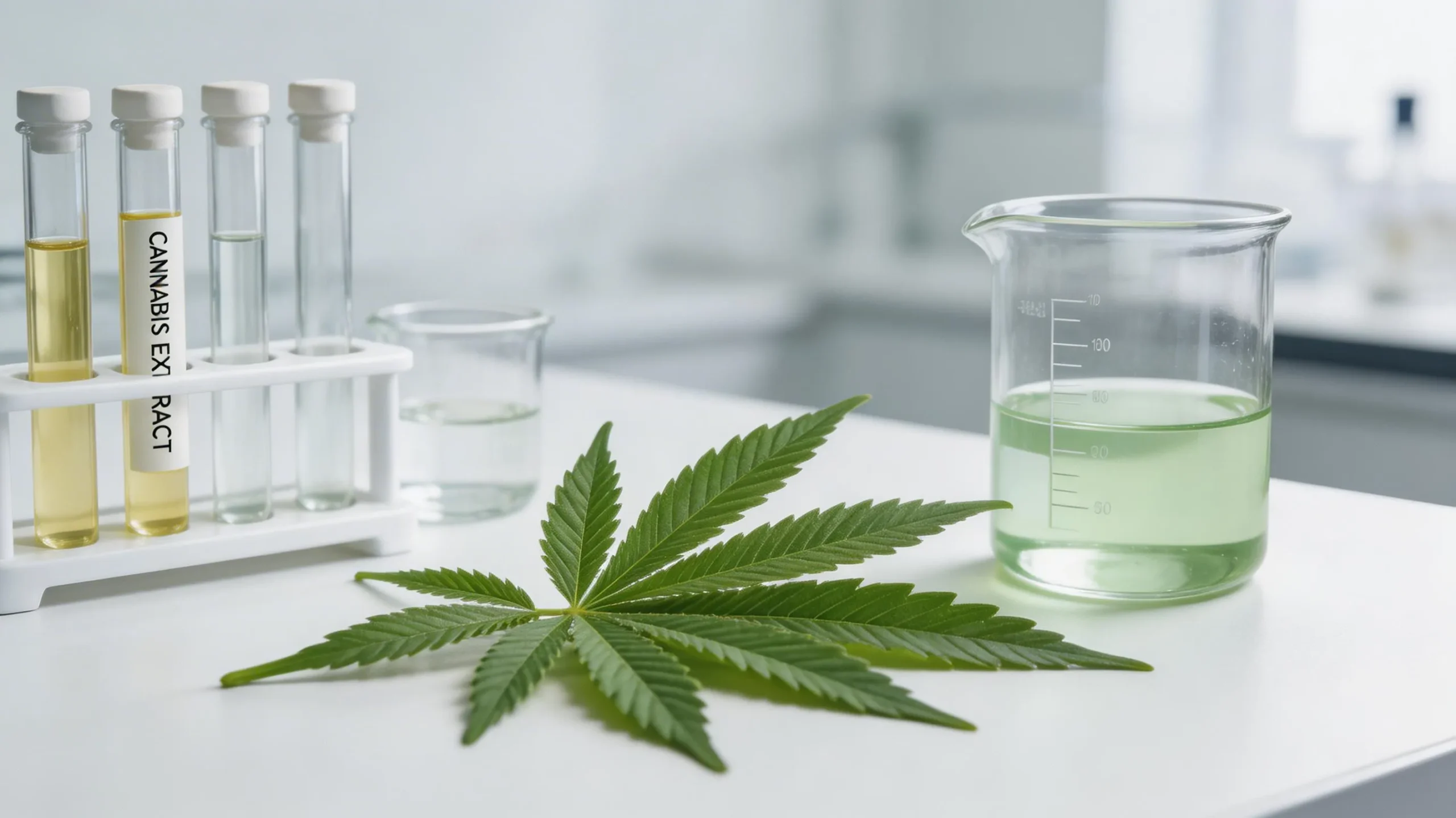
For years, the conversation around cannabis in the UAE was simple, clear, and uncompromising.
It was not allowed.
There was no grey area, no layered interpretation, and no differentiation between types of use. Whether it was recreational consumption, medical research, or industrial application, everything related to cannabis—including compounds like THC and CBD—was treated under a unified framework of strict prohibition. This clarity made the legal position easy to understand, but it also meant that there was little room for nuance, discussion, or exploration around the Medical Use of Cannabis in the UAE.
In many ways, the topic simply didn’t exist in public conversation.
There was no need to distinguish between hemp and cannabis. No need to ask whether CBD was psychoactive or not. No reason to explore potential medical applications. Everything was grouped together, and everything was restricted.
But as global perspectives began to shift, driven by scientific research, medical studies, and evolving regulatory approaches in other countries, the conversation around cannabis started to change, not just globally, but gradually within the UAE as well.
And then, quietly, something changed.
Not in a way that created headlines or sparked widespread public debate, but in a way that subtly redefined how cannabis-derived substances could be approached within a controlled framework.
The UAE introduced a regulated pathway for medical cannabis use.
This was not a dramatic policy shift or a move toward open access. It was a carefully measured adjustment, one that acknowledged the potential medical relevance of certain compounds while maintaining the country’s commitment to strict regulation and oversight.
And that’s where the conversation becomes truly interesting.
Because while much of the world talks about cannabis in terms of legalization, accessibility, and consumer markets, the UAE has taken a distinctly different route. It has chosen structure over speed, control over convenience, and precision over generalization.
This approach reflects a broader philosophy, one that prioritizes safety, compliance, and long-term stability over rapid expansion.
So naturally, this leads to two important questions:
What exactly has changed in the UAE’s approach to cannabis?
And just as importantly, what has remained exactly the same?
What Has Changed: A Regulated Pathway for Medical Use
The most meaningful development in recent years is the UAE’s recognition that cannabis-derived compounds may have a place in modern medicine, but only within a clearly defined and tightly controlled system.
This is a subtle but significant shift.
It does not represent a move toward legalization in the conventional sense. It does not signal the opening of a consumer market. Instead, it introduces a medical exception within an otherwise strict regulatory framework, a way to allow specific use cases without altering the overall structure of control.
Under updated regulations, certain cannabis-derived medications are now permitted in the UAE, but only when they meet very specific and carefully defined conditions. These are not general-purpose products, nor are they part of a lifestyle or wellness trend. They are approved pharmaceutical formulations, meaning they have been evaluated, tested, and recognized within a medical context.
Access to these medications is not open-ended. They must be prescribed by licensed medical professionals, ensuring that their use is based on clinical need rather than personal preference. This introduces an essential layer of accountability, where medical expertise guides decision-making rather than consumer demand.
Even after a prescription, the system remains structured. The use of such medications is closely monitored within a controlled healthcare environment, ensuring that treatment is administered responsibly and in line with regulatory expectations. This level of oversight reflects the UAE’s broader commitment to maintaining control while allowing for targeted innovation.
What makes this shift particularly important is that it introduces distinction where none existed before.
Previously, all cannabis-related substances were treated the same way, without differentiation between their purpose, composition, or potential application. Now, there is a clear separation between unauthorized use and medically approved use.
This distinction is not about creating categories of “legal” and “illegal” in a broad sense. Instead, it is about defining context.
A substance that may be restricted in one context can be permitted in another, if it meets the necessary criteria, serves a medical purpose, and is used within a regulated system.
This change reflects a more nuanced understanding of cannabis and its components. It acknowledges that while certain aspects of the plant remain tightly controlled, others may have value when approached responsibly and scientifically.
At the same time, it is important to recognize what this shift is not.
It is not a move toward over-the-counter availability.
It is not an invitation for general use.
And it is not a relaxation of existing laws.
It is a targeted adjustment, designed to integrate medical advancements without compromising the integrity of the regulatory system.
In many ways, this approach positions the UAE differently from other global markets. It does not follow trends; it defines its own framework. One that allows progress, but only when it aligns with structure, safety, and control.
And that is what makes this shift both subtle and significant at the same time.
The Role of THC and CBD in Medical Treatment
Within the UAE’s regulated medical framework, both THC and CBD have a defined presence, but only under highly specific, controlled, and clinically justified conditions. Their role is not broad or consumer-driven; instead, it is precise, purpose-led, and strictly confined to medical applications that meet regulatory approval.
THC, being the psychoactive component of the cannabis plant, remains the most tightly controlled element in this entire ecosystem. Its ability to influence mood, perception, and cognitive function is exactly what makes it both medically relevant and legally sensitive. In certain parts of the world, THC is explored for its potential role in managing specific medical conditions. The UAE acknowledges this potential, but only within a strictly regulated pharmaceutical context.
This means that THC may be included in approved medical formulations, but only when its use is supported by clinical evaluation and prescribed by a licensed healthcare professional. It is not used casually, and it is not accessible outside this framework. Its presence is always tied to a defined treatment plan, where the benefits, dosage, and usage are carefully monitored. In other words, THC is not treated as a general compound; it is treated as a controlled medical substance.
CBD, on the other hand, occupies a slightly different position. Globally, CBD is widely associated with wellness and lifestyle use due to its non-psychoactive nature. It does not produce a “high,” and it is often marketed as a compound that supports balance, relaxation, and overall well-being. However, in the UAE, CBD is not treated as an open-market wellness ingredient.
Instead, CBD is also regulated within a medical and pharmaceutical framework. Its presence in the UAE is primarily tied to approved medical products, where it is included as part of a formulation that meets regulatory standards. This means that even though CBD does not have psychoactive effects, it is still not freely available for general consumer use.
The key point here is that both THC and CBD, despite their differences, are treated with a similar level of regulatory discipline in the UAE. Their use is not defined by trends or consumer demand, but by medical necessity, professional oversight, and compliance with established guidelines.
This creates a very clear distinction from global markets.
In many parts of the world, THC and CBD are discussed in the context of lifestyle, wellness, and accessibility. In the UAE, they are discussed in the context of clinical use, controlled access, and regulatory approval.
As a result, neither THC nor CBD exists freely in the consumer space. They are not part of everyday retail environments, nor are they positioned as general-use products. Their role is clinical, targeted, and purpose-driven, existing within a system that prioritizes safety, accountability, and structured use over convenience or accessibility.
What Hasn’t Changed: Strict Control and Limited Access
While the introduction of regulated medical pathways represents an important evolution in the UAE’s approach, it is equally important to understand that the core foundation of regulation has remained unchanged.
The UAE continues to maintain a strict and clearly defined stance on cannabis-related substances outside of approved medical use. This consistency is a key part of the country’s regulatory identity, ensuring that any changes are introduced carefully without disrupting the broader framework of control.
Cannabis, in its general form, is not legalized for recreational use. This remains one of the most important and unchanged aspects of the law. There is no shift toward open consumption, no relaxation for casual use, and no grey area in how recreational cannabis is treated.
THC continues to be classified as a controlled substance, and its presence is tightly monitored. Outside of approved medical formulations, it does not have a place within the legal consumer landscape. This reinforces the importance of understanding not just what THC is, but where and how it is permitted.
CBD, despite being non-psychoactive, is also not freely available in retail markets. Unlike in some global regions where CBD products are sold openly in stores and online platforms, the UAE maintains a more controlled approach. Its use is largely confined to approved medical contexts, ensuring that it remains within a regulated environment.
Another critical point is that unauthorized possession, use, or distribution of cannabis-related substances can still carry legal consequences. This underscores the importance of awareness and compliance. The introduction of medical pathways does not override existing laws; it operates alongside them, within clearly defined limits.
There is no open commercial market for cannabis products in the UAE. There are no over-the-counter options, no casual purchasing environments, and no general accessibility for consumers. This is not a system designed for convenience; it is a system designed for control, safety, and accountability.
And this is intentional.
The UAE’s approach is built on the idea that if cannabis-derived compounds are to be used, they must be used responsibly, professionally, and within a regulated framework. This ensures that their application is limited to situations where they are necessary, appropriate, and supervised.
In essence, while the UAE has introduced a level of nuance into its cannabis regulations, it has not altered its core philosophy. The system remains structured, controlled, and highly regulated, allowing for medical progress without opening the door to unrestricted use.
This balance between change and continuity is what defines the UAE’s approach.
Why the UAE Chose a Controlled Approach
The UAE’s approach to cannabis-derived substances is not accidental; it reflects a broader and well-defined philosophy: balance through regulation. In a world where many countries are rapidly moving toward either full legalization or maintaining strict prohibition, the UAE has chosen a more measured and deliberate path. It is not positioned at either extreme, but instead operates within a carefully structured middle ground.
Rather than opening the market completely or continuing with absolute restriction, the UAE has introduced a system that allows for limited, purpose-driven access, while maintaining strong oversight. This approach acknowledges that cannabis-derived compounds may have value, particularly in medical contexts, but ensures that their use remains controlled, accountable, and aligned with national priorities.
At its core, this model is about precision rather than generalization.
The UAE recognizes that not all cannabis-related use is the same. Medical applications, for example, are fundamentally different from recreational consumption. By creating a controlled pathway for medical use, the country is able to separate these contexts, allowing for progress in one area without opening the door to broader, unregulated use.
This approach serves several important purposes simultaneously.
It allows patients to access potentially beneficial treatments when medically necessary, ensuring that advancements in global healthcare are not entirely excluded. At the same time, it ensures that this access is guided by licensed medical professionals, placing responsibility in the hands of trained experts rather than leaving decisions to individual interpretation.
Equally important is the focus on patient safety. By keeping cannabis-derived medications within a regulated healthcare framework, the UAE ensures that dosage, usage, and monitoring are handled with care. This reduces risks associated with misuse, incorrect application, or unverified products.
Another critical objective is the prevention of uncontrolled distribution and misuse. By limiting access to approved channels and requiring prescriptions, the system minimizes the possibility of these substances entering informal or unregulated markets. This maintains the integrity of the regulatory system and ensures that usage remains aligned with its intended purpose.
At the same time, the UAE’s approach allows it to stay connected to global medical advancements. As research around cannabinoids continues to evolve, the country is not isolated from these developments. Instead, it selectively integrates them in a way that fits within its own legal and cultural framework.
This is what makes the approach particularly unique.
It is not about following global trends blindly, nor is it about resisting change entirely. It is about adapting global knowledge in a way that aligns with local values, regulatory structures, and long-term stability.
In essence, the UAE has created a system where innovation is possible, but only when it meets clearly defined standards. It is a model built on control, clarity, and careful progression, rather than rapid expansion or unrestricted access.
What This Means for Residents and Consumers
For residents and consumers in the UAE, this evolving framework brings both clarity and responsibility. On one hand, it provides a clearer understanding of where cannabis-derived substances fit within the legal system. On the other hand, it places a greater emphasis on informed decision-making and compliance.
The introduction of medical pathways means that cannabis-derived medications may be available when there is a legitimate medical need, but this availability is not universal or casual. These are not products that can be explored freely or used based on personal preference. Their access is conditional, structured, and guided by medical expertise.
This reinforces an important shift in perspective.
Instead of viewing cannabis-derived compounds as general-use or lifestyle products, they must be understood within a clinical and regulated context. For individuals, this means that any consideration of such substances should begin with consultation, not assumption. Licensed medical professionals become the primary point of guidance, ensuring that decisions are based on health requirements rather than external influence.
At the same time, this framework highlights the need to clearly distinguish between what is available globally and what is permitted locally.
In today’s connected world, consumers are constantly exposed to international products, trends, and marketing. CBD oils, hemp-based wellness products, and cannabis-related solutions are widely promoted in many parts of the world. However, this global visibility can sometimes create the impression that these products are universally acceptable.
In the UAE, this is not the case.
There is a clear and important distinction between globally marketed wellness products and locally approved medical treatments. A product that is easily accessible in another country may not meet the regulatory requirements of the UAE. This is why relying solely on global trends or external information can lead to misunderstanding.
For residents, this means that awareness must go beyond general knowledge. It requires an understanding of local regulations, product classification, and approval status. It also requires a level of caution when interpreting information that originates outside the UAE context.
Ultimately, this system encourages a more informed and responsible approach.
Consumers are not expected to avoid the topic entirely, but they are expected to engage with it thoughtfully. This includes asking the right questions, verifying information, and understanding the difference between perception and reality.
Because in the UAE, the key is not just knowing what something is, it is knowing whether it is permitted, regulated, and appropriate within the local framework.
And that distinction makes all the difference.
The Bigger Picture: A Market Still in Evolution
The introduction of medical cannabis pathways in the UAE is not just a regulatory update; it is a signal of something much larger. It reflects a gradual shift in how cannabis, hemp, CBD, and THC are being understood within the country. What was once a completely closed conversation is now beginning to open, but in a way that is deliberate, controlled, and carefully aligned with the UAE’s broader regulatory philosophy.
This is not a transformation that is happening overnight.
It is not rapid.
It is not reactive.
And it is certainly not unstructured.
Instead, it is a measured evolution, one that is unfolding step by step, guided by evidence, policy, and long-term vision rather than short-term trends.
At present, the UAE is not a fully developed cannabis or hemp market, but it is also no longer a space of complete absence. It exists somewhere in between, a developing landscape where awareness is growing, frameworks are being defined, and possibilities are being explored within clearly set boundaries.
This evolution is being shaped by multiple forces working together.
One of the most important drivers is ongoing medical research. Around the world, scientific studies continue to explore the potential applications of cannabis-derived compounds in healthcare. As this body of knowledge expands, it influences how countries, including the UAE, evaluate the role of these substances within their own systems. The UAE’s decision to allow controlled medical use reflects this connection to global scientific progress.
At the same time, regulatory updates play a crucial role in shaping the direction of the market. The UAE does not adopt changes impulsively; it refines its framework carefully, ensuring that any adjustments align with its existing legal structure. This creates a system where progress is possible, but only when it fits within clearly defined parameters.
Another key factor is increasing awareness. As more people begin to understand the differences between hemp, CBD, and THC, and as information becomes more accessible, the conversation naturally evolves. Consumers become more informed, businesses become more precise in their approach, and the overall market begins to move from confusion toward clarity.
Global developments in cannabis science and industry also contribute to this evolution. The UAE does not operate in isolation; it observes, evaluates, and selectively adapts what aligns with its own priorities. This ensures that it remains connected to global advancements without compromising its regulatory integrity.
However, what makes the UAE’s trajectory unique is that all of these influences are filtered through a consistent lens: structure and control.
Any future changes are expected to follow the same pattern that has defined the current shift. They will be:
Structured, guided by clear frameworks and policies
Measured, introduced gradually, not abruptly
Controlled, ensuring that safety and compliance remain central
This means that while the market may expand over time, it will not do so in an uncontrolled or unpredictable way. Instead, it will develop in a manner that prioritizes stability, clarity, and long-term sustainability.
In many ways, the UAE is not just building a market; it is defining how that market should exist within its own context.
Conclusion: Progress Within Boundaries
The medical use of cannabis in the UAE represents a meaningful and carefully considered shift, but it is a shift that exists firmly within boundaries. It does not signal a complete transformation of the regulatory landscape, but rather a refinement of it. It introduces nuance into a system that was once absolute, without removing the structure that defines it.
What has changed is the recognition that cannabis-derived compounds may have legitimate medical value when used responsibly and under professional supervision. This acknowledgment reflects a growing alignment with global scientific understanding and healthcare advancements.
What has not changed, however, is equally important.
The UAE’s commitment to strict regulation, controlled access, and legal clarity remains firmly in place. The introduction of medical pathways has not altered the country’s broader stance on cannabis-related substances; it has simply created a specific, regulated context in which they may be used.
This balance is what defines the UAE’s approach.
It allows progress, but only when it is justified, structured, and aligned with established standards.
It enables access, but only within a system that ensures accountability and oversight.
It introduces flexibility, but without compromising on control.
This approach reflects a deeper philosophy, one that prioritizes responsible evolution over rapid change.
By maintaining this balance, the UAE ensures that any development in this space is sustainable, safe, and consistent with its broader regulatory framework, particularly in the context of the Medical Use of Cannabis in the UAE. It avoids the risks of unchecked expansion while still allowing room for innovation where it is appropriate.
Most importantly, this approach keeps the entire conversation grounded in clarity, responsibility, and compliance.
For residents, businesses, and observers alike, this clarity is essential. It removes uncertainty, defines expectations, and creates a framework within which the topic can be understood accurately.
In the end, the UAE’s journey with cannabis and its derivatives is not about following global narratives; it is about shaping its own.
A journey where progress is real,
but always guided.
Leave a Reply