
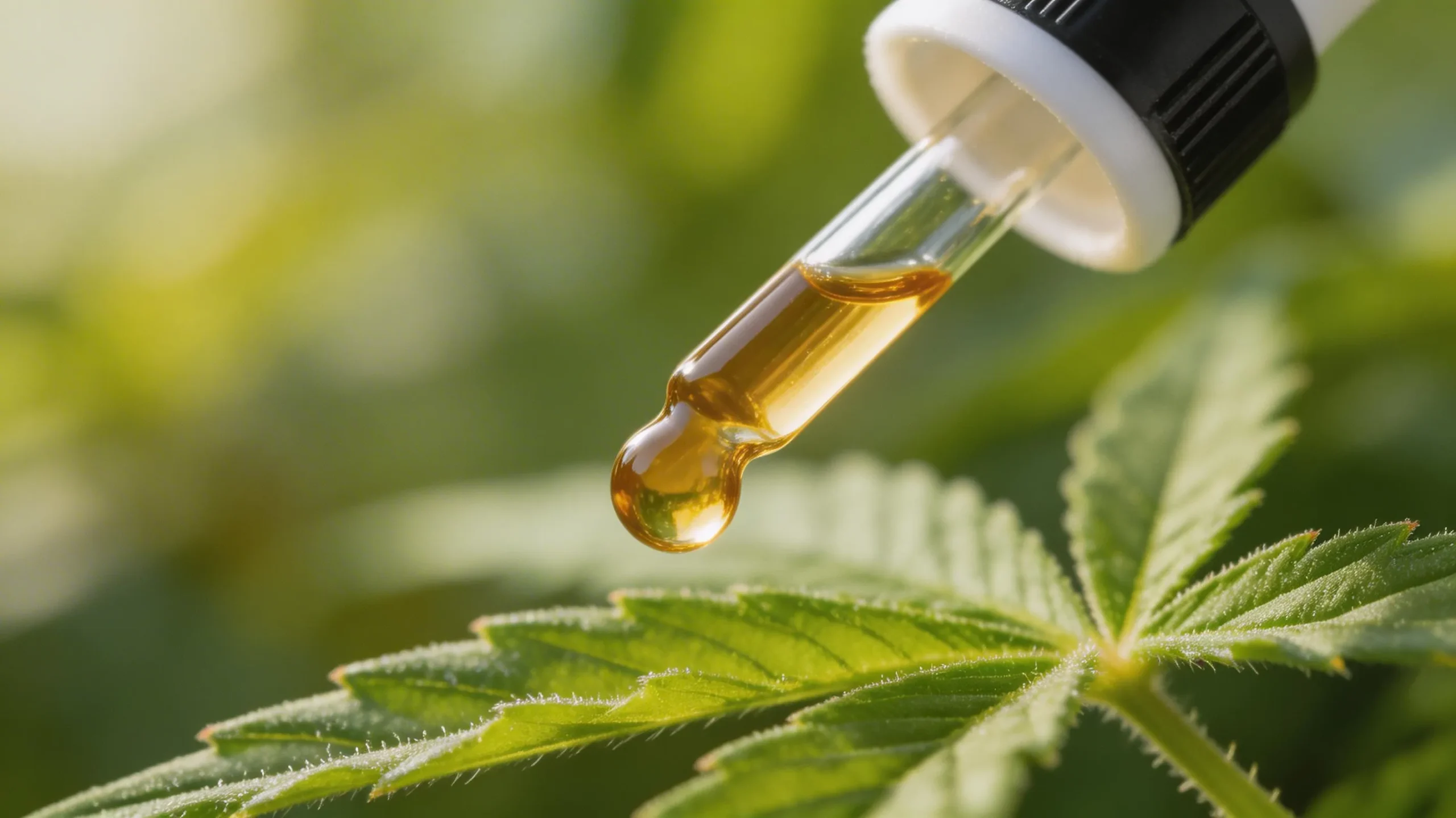
Three Words, One Confusion
Hemp. CBD. THC.
Three simple words that have somehow turned into one of the most confusing conversations, especially in a place like the UAE, where curiosity is growing, but clarity is still catching up. These terms are often used interchangeably in everyday conversations, social media, and even product marketing, which makes it even harder for people to understand what they actually mean. And that’s exactly where the confusion begins.
If you casually ask someone in the UAE about hemp, CBD, or THC, you’ll likely hear a mix of assumptions rather than clear answers. Some might say CBD is illegal, others might assume hemp is just another word for cannabis, and many will confidently state that THC is what gets you high, without fully understanding what that means. The truth is, each of these statements holds a piece of reality, but none of them tells the complete story.
What makes this topic even more interesting is that hemp, CBD, and THC are deeply connected, yet fundamentally different. Treating them as the same is where most misconceptions originate. It’s not just about semantics; it’s about understanding how a single plant can produce substances that are treated so differently across industries, regulations, and cultures.
In the UAE, this distinction becomes even more important. Here, the conversation around hemp and cannabis-related compounds exists within a highly structured legal framework. It’s not a free-flowing market like in some parts of the world, nor is it entirely closed off. Instead, it sits somewhere in between, carefully regulated, gradually evolving, and often misunderstood.
Globally, hemp has gained attention as a sustainable material and a versatile agricultural resource. CBD has emerged as a key player in the wellness space, often associated with balance and relaxation. THC, on the other hand, continues to be strictly controlled due to its psychoactive effects. While the world is rapidly exploring these components, the UAE approaches them with caution, clarity, and regulation.
This is why understanding the difference between hemp, CBD, and THC is not just useful, it is essential. It helps consumers make informed decisions, allows businesses to operate responsibly, and reduces the spread of misinformation that often clouds the industry.
So instead of relying on assumptions or fragmented information, it’s time to break this down properly. What exactly is hemp, and why is it being talked about globally? Where does CBD come from, and why is it associated with wellness? Why is THC treated so differently, especially in the UAE? And how does the widely discussed 0.3% THC rule, along with medical use regulations, fit into this entire picture?
Let’s simplify what feels complicated and bring clarity to a conversation that has been misunderstood for far too long.
Understanding the Basics: The Cannabis Plant
To truly understand the difference between hemp, CBD, and THC, it is important to start at the source, the cannabis plant itself. Without this foundation, everything else can feel fragmented or confusing.
At its core, the cannabis plant is a single species, but it is incredibly complex in terms of its chemical composition. It contains a wide range of naturally occurring compounds, including cannabinoids, terpenes, and flavonoids, each contributing to the plant’s overall properties. Among these, cannabinoids are the most relevant when discussing hemp, CBD, and THC.
The cannabis plant is generally classified into two main categories based on its THC content. The first is hemp, which contains very low levels of THC, typically no more than 0.3%. The second is marijuana, which contains significantly higher levels of THC and is associated with psychoactive effects. This classification is not based on how the plant looks, but rather on its chemical profile. Two plants may appear nearly identical, yet their THC content determines how they are used, perceived, and regulated.
From these plants, various compounds are extracted, the most well-known being CBD (cannabidiol) and THC (tetrahydrocannabinol). These compounds interact with the human body in very different ways. CBD is non-psychoactive, meaning it does not produce any “high” or intoxicating effect. THC, on the other hand, is psychoactive and is responsible for the altered mental state commonly associated with cannabis.
Understanding this structure is key. Hemp is not a compound, it is a type of plant. CBD and THC are not plants; they are compounds derived from the plant. This distinction may seem simple, but it is often overlooked, leading to widespread confusion.
In the context of the UAE, this basic understanding becomes even more important. The country’s regulatory framework focuses heavily on the presence and concentration of certain compounds, particularly THC. Even trace amounts can influence how a product is classified and whether it is permitted under local laws. This means that simply labeling something as “hemp” is not enough; what matters is what it contains and whether it complies with regulatory standards.
The widely recognized 0.3% THC threshold plays a crucial role here. Globally, this benchmark is used to distinguish hemp from marijuana. At or below this level, the plant is considered non-psychoactive and is categorized as hemp. However, in the UAE, compliance is not determined by THC levels alone. Products must also meet strict import regulations, safety standards, and approval processes set by authorities.
This layered approach makes it essential to move beyond surface-level understanding. Knowing that hemp contains low THC is only the beginning. What truly matters is how that knowledge translates into real-world applications, legal classifications, and consumer awareness within the UAE.
Ultimately, once you understand the cannabis plant as the source, and recognize how hemp, CBD, and THC fit within that structure, the confusion begins to fade. What once seemed like overlapping terms starts to make sense as distinct elements of a much larger and more nuanced system.
What Is Hemp? The Foundation of the Conversation
Hemp is often the starting point of this entire discussion, yet it is also one of the most misunderstood elements. At its core, hemp is a variety of the cannabis plant that contains very low levels of THC, typically 0.3% or less. This small number might seem insignificant at first glance, but it is actually one of the most important defining factors in the global cannabis conversation.
The 0.3% THC threshold is widely accepted as the line that separates hemp from marijuana. Below this level, the plant is classified as hemp and is considered non-psychoactive. Above it, the plant is categorized differently and treated under stricter regulations. This distinction is not just scientific; it directly influences how products are developed, marketed, and regulated across the world, including in the UAE.
At such low levels of THC, hemp does not produce any intoxicating effects. It does not make you feel “high,” it does not alter your perception, and it does not impact cognitive function in the way high-THC cannabis does. This is a critical point, especially in regions like the UAE, where psychoactive substances are tightly controlled. Understanding that hemp is non-intoxicating helps separate it from the broader assumptions often associated with cannabis.
What truly makes hemp remarkable is not what it lacks, but what it offers. Hemp is one of the most versatile plants known to modern industry. It has been used for centuries across cultures, and today it is being rediscovered for its sustainability and wide-ranging applications. From textiles and fashion to food and industrial materials, hemp serves multiple industries without carrying the concerns associated with psychoactive substances.
In the textile industry, hemp fibers are valued for their strength, durability, and breathability. They are often considered a sustainable alternative to conventional fabrics, requiring fewer resources to produce. In the food sector, hemp seeds and hemp oil are appreciated for their nutritional value, containing essential fatty acids, proteins, and minerals. In skincare and cosmetics, hemp-derived ingredients are used for their moisturizing and skin-supporting properties. Beyond that, hemp is also used in industrial materials, including eco-friendly construction solutions and biodegradable products, making it a strong candidate in sustainability-focused innovation.
What many people don’t realize is that a large portion of hemp-based products do not involve cannabinoids at all. Hemp fiber, for example, is completely unrelated to THC or CBD. Similarly, hemp seeds used in food products contain negligible or no THC. This means that not all hemp products are even part of the cannabinoid conversation; they are simply derived from a highly functional plant.
In the UAE context, this distinction becomes especially important. The regulatory environment is highly structured, and products are evaluated based on their composition, usage, and compliance with local laws. The further a hemp product is removed from psychoactive components, the more likely it is to align with acceptable regulatory standards, provided all approvals, certifications, and safety requirements are met.
This is why hemp should not be viewed through the same lens as cannabis in general. It is not about intoxication or altered states, it is about functionality, sustainability, and practical use. Once this perspective shifts, hemp stops being a controversial topic and starts becoming what it truly is: a highly adaptable resource with real-world applications.
What Is CBD? The Non-Psychoactive Compound
CBD, or cannabidiol, is one of the most widely discussed compounds derived from the hemp plant, and in many ways, it has become the face of the modern hemp conversation. Unlike hemp, which refers to the plant itself, CBD is a specific compound extracted from that plant, and understanding this distinction is essential.
What makes CBD particularly unique is that it is non-psychoactive. This means it does not produce the “high” commonly associated with cannabis. Unlike THC, CBD does not affect the brain in a way that alters perception or mental clarity. Instead, it interacts with the body in a more subtle and balanced manner, which is why it has gained significant attention globally, especially within the wellness industry.
Over the past decade, CBD has become associated with a range of lifestyle and wellness applications. Many people link it to relaxation, stress support, improved sleep, and overall well-being. It is often positioned as a compound that helps the body maintain balance, rather than creating any dramatic or immediate effect. This perception has contributed to its rapid rise in popularity across international markets.
However, it is important to approach CBD with clarity rather than hype. CBD is not a miracle solution, and its effects can vary depending on the individual, the formulation, and the context in which it is used. Scientific research around CBD is still evolving, and while there is growing interest in its potential, it is essential to separate evidence-based understanding from marketing-driven narratives.
In the UAE, the conversation around CBD is more complex than in many Western countries. While CBD may be widely available in some global markets, its status in the UAE is governed by strict regulations. It is not freely sold or openly accessible in the same way, and its legality depends on several critical factors.
The source of the product plays a major role. Whether CBD is derived from hemp and how it is processed can influence how it is classified. The THC content is another key factor; even trace amounts can affect regulatory approval. The type of product also matters, as ingestible, topical, and pharmaceutical formulations may be treated differently under UAE law. Most importantly, all CBD-related products must meet specific regulatory approvals and compliance standards before they can be considered permissible.
This is where CBD becomes particularly relevant in the context of medical use. The UAE has introduced a controlled pathway for certain cannabis-derived medications, allowing their use under strict medical supervision. In such cases, CBD may be part of approved pharmaceutical formulations, but only when prescribed and monitored by licensed healthcare professionals.
This structured approach reflects the UAE’s broader stance, acknowledging potential benefits while maintaining strict control over usage and distribution. It is not about open access, but about regulated and responsible integration within the healthcare system.
So while CBD is non-psychoactive and widely discussed globally, its presence in the UAE is defined by regulation, not trends. Understanding this distinction is crucial. It allows consumers to stay informed, businesses to operate responsibly, and the conversation to move from assumption to accuracy.
At its core, CBD represents a shift in how people view plant-based compounds, not as recreational substances, but as part of a broader discussion around wellness, science, and controlled medical use. But in the UAE, that conversation is still unfolding, carefully, gradually, and within clearly defined boundaries.
What Is THC? The Psychoactive Component
THC, or tetrahydrocannabinol, is perhaps the most widely recognized compound associated with the cannabis plant, and it plays a central role in how cannabis is perceived, regulated, and discussed across the world. Unlike hemp or CBD, which are often linked to utility and wellness, THC is directly responsible for the psychoactive effects commonly referred to as a “high.” This single characteristic is what sets THC apart from other compounds and is also the primary reason why it is treated with such caution in legal frameworks globally, and especially in the UAE.
When THC enters the body, it interacts with a system known as the endocannabinoid system, specifically binding to receptors in the brain that influence mood, perception, memory, and cognitive function. This interaction can alter how a person feels, thinks, and experiences their surroundings. While these effects are the reason THC is explored in certain medical contexts worldwide, they are also the reason it is classified as a controlled substance in many countries.
In the UAE, THC is subject to strict regulation due to its psychoactive nature. Historically, the country has maintained a zero-tolerance approach toward substances that can alter mental states, and THC has been firmly placed within that category. Even trace amounts have, in the past, been treated with serious legal consequences, reflecting the country’s commitment to maintaining strict control over controlled substances.
However, in recent years, there has been a gradual shift toward a more structured and nuanced approach, particularly in the context of medical use. The UAE has introduced controlled pathways for certain cannabis-derived medications, allowing their use under strict medical supervision. This does not mean that THC is freely available or broadly accepted; it remains highly regulated, but it does indicate a growing recognition of its potential role within a controlled healthcare framework.
Understanding THC is essential because it acts as the defining factor in how cannabis-related substances are classified and treated. It is not just another compound within the plant; it is the key element that determines whether a product is considered non-psychoactive and acceptable within certain limits or psychoactive and subject to strict legal control. This is why discussions around hemp, CBD, and cannabis almost always come back to THC.
In many ways, THC sits at the center of the entire conversation. It is the reason regulations exist, the reason distinctions are made, and the reason awareness is so important. Without understanding THC, it becomes nearly impossible to understand the broader landscape of hemp and cannabis in the UAE.
The 0.3% THC Rule: The Line That Changes Everything
One of the most important and widely referenced concepts in the global cannabis and hemp industry is the 0.3% THC threshold. At first glance, it may seem like a small technical detail, but in reality, this number plays a defining role in how cannabis plants and their derived products are classified, regulated, and perceived across the world.
The 0.3% THC rule is used as a benchmark to distinguish between two categories of the cannabis plant. When the THC content is at or below 0.3%, the plant is classified as hemp. When the THC content exceeds this threshold, it is classified as marijuana or high-THC cannabis. This distinction is critical because it determines whether a product is considered non-psychoactive or psychoactive.
At or below the 0.3% level, the amount of THC present is not sufficient to produce intoxicating effects. This is why hemp is generally regarded as non-psychoactive and is used across industries such as textiles, food, and wellness. This classification has allowed hemp to be integrated into various markets globally without the concerns associated with psychoactive substances.
However, while the 0.3% rule is widely accepted internationally, its application is not uniform across all countries, and this is where the UAE presents a unique case.
In the UAE, compliance is not determined solely by THC percentage. While the 0.3% threshold helps define hemp on a global level, it is only one part of a much larger regulatory framework. Products entering or existing within the UAE market must also meet a range of strict requirements that go beyond chemical composition.
These include adherence to import regulations, which govern how products are brought into the country and whether they are permitted in the first place. Safety standards are equally important, ensuring that products meet quality and health requirements before reaching consumers. Regulatory approvals from relevant authorities are mandatory, and without them, even compliant products may not be allowed. Additionally, clear labeling and proper documentation are essential, providing transparency about the product’s contents, origin, and intended use.
This layered approach means that the 0.3% THC rule, while important, is not a standalone determinant of legality or acceptance in the UAE. It acts as a foundational guideline, but it must be considered alongside local laws and regulatory processes.
In practical terms, this means that a product considered compliant in one country may not automatically be permitted in the UAE, even if it meets the 0.3% THC threshold. Businesses and consumers alike must look beyond global standards and focus on local compliance to fully understand what is allowed.
Ultimately, the 0.3% THC rule represents a line that changes everything, but only when viewed within the right context. Globally, it defines hemp. In the UAE, it is just one piece of a carefully structured system designed to balance innovation, safety, and regulation.
Medical Use in the UAE: A Controlled Shift
One of the most important and often overlooked developments in the UAE’s evolving relationship with cannabis-related compounds is the introduction of a controlled pathway for medical use. For many years, the UAE maintained a strict and uncompromising stance on all substances associated with cannabis, including both THC and CBD. These compounds were treated under broad prohibition, with little distinction made between recreational use, industrial applications, or potential medical benefits.
However, as global research progressed and international healthcare systems began to explore the therapeutic potential of cannabis-derived compounds, the conversation began to shift. The UAE, known for its structured and forward-thinking regulatory approach, has gradually adapted to these developments, not by relaxing its laws broadly, but by creating a highly regulated framework specifically for medical use.
This shift does not represent a complete transformation, but rather a carefully measured step forward. It acknowledges that certain cannabis-derived compounds, when used responsibly and under professional supervision, may have a role within modern medicine. At the same time, it maintains strict control to ensure safety, compliance, and responsible usage.
In practical terms, this means that certain cannabis-derived medications may now be permitted within the UAE, but only under very specific conditions. These are not general wellness products or over-the-counter items. They must be approved pharmaceutical formulations, meaning they have undergone regulatory evaluation and meet defined medical standards. These medications are not freely accessible; they require a valid prescription from a licensed medical professional, ensuring that their use is based on clinical need rather than personal choice.
Even after a prescription, the system does not become unrestricted. The use of such medications is closely monitored and regulated, reflecting the UAE’s emphasis on control and accountability. This ensures that access remains limited to appropriate cases and that misuse is prevented.
It is important to understand what this shift does and what it does not do. It does not mean that cannabis, CBD, or THC products are openly available in the UAE. It does not mean that individuals can access these substances casually or without oversight. Instead, it represents a medical exception within a controlled system, designed to balance potential therapeutic benefits with strict regulatory safeguards.
Within this framework, both CBD and THC may appear as components of approved medical formulations. However, their inclusion is not based on trends or consumer demand; it is based on clinical evaluation and regulatory approval. This reinforces the idea that in the UAE, cannabinoids are not treated as lifestyle products, but as substances that may have a place in medicine when handled with precision and responsibility.
This controlled shift reflects a broader pattern in the UAE’s approach: openness to innovation, but within clearly defined boundaries. It signals a growing recognition of scientific developments while maintaining the country’s commitment to safety, structure, and regulation. For anyone trying to understand hemp, CBD, and THC in the UAE, this medical pathway is a crucial piece of the puzzle. It shows that the conversation is evolving, but on the UAE’s terms.
Key Differences Between Hemp, CBD, and THC
After exploring hemp, CBD, and THC individually, the most important step is to clearly understand how they differ from one another. While these terms are often used interchangeably, they represent entirely different elements within the same ecosystem. Recognizing these differences is essential, especially in a regulated environment like the UAE, where classification directly impacts legality, usage, and availability.
Hemp is the foundation of the conversation. It is not a compound, but a type of cannabis plant that is defined by its low THC content, typically 0.3% or less. This low concentration of THC means that hemp is non-psychoactive, and it does not produce any intoxicating effects. Because of this, hemp is widely used across multiple industries, including textiles, food, skincare, and industrial materials. Its value lies in its versatility and sustainability, not in any psychoactive properties. In many cases, hemp-based products do not even involve cannabinoids, further distancing them from the concerns typically associated with cannabis.
CBD, or cannabidiol, is a compound extracted primarily from hemp. Unlike THC, CBD is also non-psychoactive, meaning it does not cause a high or alter mental perception. Globally, CBD has become associated with wellness and lifestyle applications, often linked to relaxation, stress support, and general well-being. However, in the UAE, CBD is not treated as a freely available wellness ingredient. Its status is regulated, and its use is largely limited to specific contexts, particularly within approved medical formulations. This makes CBD fundamentally different from hemp itself; it is not a plant, but a compound, and its presence in a product brings additional regulatory considerations.
THC, or tetrahydrocannabinol, is the compound that introduces the most complexity into the conversation. It is psychoactive, meaning it directly affects the brain and produces the “high” associated with cannabis. Because of these effects, THC is strictly controlled in the UAE and in many parts of the world. Its presence, even in small amounts, can significantly change how a substance is classified and regulated. While THC may be included in certain approved medical treatments under strict supervision, it remains heavily restricted outside of these controlled environments.
Understanding these distinctions removes much of the confusion that surrounds hemp, CBD, and THC. Hemp is the plant, defined by its low THC content and wide range of practical uses. CBD is a non-psychoactive compound derived from that plant, associated with wellness, but regulated in the UAE. THC is the psychoactive compound that is tightly controlled due to its effects on the mind and body.
When these differences are clearly understood, the conversation becomes much simpler. What once seemed like overlapping terms begins to separate into a structured system, where each element has its own role, its own function, and its own regulatory treatment. And in a market like the UAE, where precision and compliance are essential, this clarity is not just helpful; it is necessary.
Why the Confusion Exists?
If the differences between hemp, CBD, and THC are actually quite clear when explained properly, it raises an obvious question: why does so much confusion still exist, especially in a market like the UAE?
The answer lies in a combination of factors that overlap, reinforce each other, and ultimately create a blurred understanding for the average person. It is not just one reason; it is a mix of origin, global influence, communication gaps, and limited awareness that together shape this confusion.
One of the primary reasons is the shared origin of all three elements. Hemp, CBD, and THC all come from the cannabis plant, and for someone who is not familiar with the science behind it, this automatically creates an assumption that they are the same. When people hear the word “cannabis,” they tend to associate it with its most well-known effect, the psychoactive high. This association makes it difficult to separate hemp, which is non-psychoactive, from THC, which is not. The plant becomes the focus, rather than the chemical differences within it.
Another major factor is the difference between global and local regulations. Around the world, hemp and CBD have been widely adopted in industries ranging from wellness to food and fashion. In many countries, CBD products are openly sold, marketed, and used as part of everyday lifestyle choices. When people in the UAE see this global exposure, whether through social media, international brands, or online content, they often assume that the same rules apply locally. However, the UAE operates under a very different regulatory system, where approval, compliance, and classification are much more tightly controlled. This mismatch between global visibility and local legality creates confusion and misunderstanding.
The role of marketing language also contributes significantly to this issue. In an effort to appeal to a broader audience, some brands tend to blur the lines between hemp and CBD, using the terms interchangeably or positioning them in ways that are not entirely clear. Words like “hemp-based,” “CBD-infused,” and “natural cannabis extract” are often used without proper explanation, leaving consumers to interpret them on their own. This kind of communication may work in markets with high awareness, but in a region where the conversation is still developing, it can easily lead to misinterpretation.
Perhaps the most fundamental reason, however, is the lack of accessible and accurate information. Many people simply have not been exposed to clear, factual explanations of what hemp, CBD, and THC actually are. The topic is often discussed in fragments, through social media posts, word of mouth, or incomplete articles, rather than through structured, educational content. As a result, people form their understanding based on bits and pieces of information, rather than a complete picture.
In the UAE, this confusion is further amplified by the nature of the regulatory environment. Strict laws and limited public discussion around cannabis-related topics mean that the conversation does not happen as openly as it might in other parts of the world. This creates a gap where curiosity exists, but reliable information is not always easily available.
Ultimately, the confusion around hemp, CBD, and THC is not because the subject is inherently complicated, it is because the information surrounding it is often incomplete, inconsistent, or influenced by external contexts. Once the fundamentals are understood clearly, the confusion begins to fade, but until then, it continues to shape how people perceive the entire industry.
Hemp Industry in the UAE: Market Reality
The hemp industry in the UAE occupies a unique position; it is neither fully developed nor entirely absent. Instead, it exists in a transitional phase, where awareness is growing, interest is building, but the market itself is still taking shape within a structured regulatory framework.
At present, the industry can best be described as being in its early stage of growth. There is a noticeable increase in curiosity among consumers, driven largely by global trends in wellness, sustainability, and plant-based innovation. People are becoming more aware of hemp as a concept, and there is a gradual shift from skepticism to interest. However, this curiosity is often accompanied by caution. Consumers are not just asking what hemp is; they are asking whether it is allowed, whether it is safe, and whether it fits within the UAE’s legal landscape.
This cautious approach is directly influenced by the UAE’s regulated environment. The country places a strong emphasis on safety, compliance, and quality control across all industries, and hemp is no exception. While this creates a stable and structured market, it also means that growth is more measured compared to regions with more relaxed regulations. Every product, whether it is hemp-based or derived from cannabinoids, must meet strict standards before it can enter the market. This ensures consumer safety, but it also limits the speed at which the industry can expand.
As a result, there is selective product availability within the UAE. Not all hemp products that are popular globally are accessible locally. Only those that meet regulatory requirements, pass safety checks, and receive proper approvals are permitted. This creates a curated market where availability is controlled, and variety is more limited compared to international markets. For consumers, this means fewer options. For businesses, it means navigating a more complex entry process.
Despite these limitations, the future of the hemp industry in the UAE holds significant potential. As awareness continues to improve and understanding becomes more widespread, opportunities are likely to emerge across multiple sectors. Sustainable materials, for example, align well with the UAE’s growing focus on environmental responsibility and innovation. Hemp-based textiles and industrial applications could find a place within this narrative. Similarly, wellness products, when compliant with regulations, may continue to attract interest as consumers explore alternative approaches to lifestyle and well-being.
The medical sector also represents an important area of potential growth. With the introduction of regulated pathways for cannabis-derived medications, there is a clear indication that the UAE is open to exploring the therapeutic applications of cannabinoids within a controlled framework. This could lead to further development in pharmaceutical and healthcare-related uses over time.
In essence, the hemp industry in the UAE is not defined by rapid expansion, but by structured evolution. It is growing, but carefully. It is expanding, but within boundaries. And it is developing in a way that reflects the country’s broader approach, balancing innovation with regulation.
Challenges in Understanding Hemp, CBD & THC
Even as awareness around hemp, CBD, and THC continues to grow, there are still several challenges that make it difficult for people to fully understand these concepts, especially within the UAE context.
One of the most prominent challenges is the perception barrier. The association between cannabis and psychoactive effects is deeply ingrained in public perception. For many people, the word “cannabis” immediately brings to mind intoxication, legal issues, or restricted substances. This perception makes it difficult to separate hemp and CBD from THC, even though they function very differently. As a result, hesitation often exists even before accurate information is considered.
Another significant challenge is legal complexity. The regulatory framework in the UAE is detailed and precise, which is essential for maintaining safety and control. However, for the average consumer or new business, understanding these regulations can be challenging. The distinction between what is allowed, what is restricted, and what falls under medical use is not always immediately clear. This complexity can discourage exploration and contribute to ongoing confusion.
The issue is further compounded by limited educational resources. While interest in hemp and related compounds is increasing, there is still a shortage of easily accessible, reliable, and locally relevant information. Much of the available content is either too generic, based on international markets, or lacking in context specific to the UAE. This makes it harder for individuals to form an accurate understanding that aligns with local realities.
Finally, market restrictions also play a role in shaping understanding. Because the availability of hemp and CBD-related products is limited compared to global markets, people have fewer opportunities to interact with or learn about these products firsthand. In many cases, awareness is driven by what people see online rather than what they experience locally. This disconnect between exposure and availability adds another layer of confusion.
Together, these challenges create an environment where awareness is growing, but understanding is still catching up. Overcoming these barriers requires not just more information, but better communication, clear, accurate, and tailored to the UAE’s unique regulatory and cultural context.
As these challenges are addressed over time, the conversation around hemp, CBD, and THC is likely to become more informed, more balanced, and more aligned with reality.
The Future: Awareness Will Define Growth
When looking at the future of hemp, CBD, and related products in the UAE, it becomes clear that growth will not be driven by trends alone, but by something far more fundamental: awareness. Unlike markets where rapid expansion is fueled by consumer demand and widespread availability, the UAE follows a more structured path, where understanding plays a central role in shaping how industries evolve.
At present, the conversation around hemp, CBD, and THC is still in a transitional phase. There is curiosity, there is exposure through global media, and there is a growing interest among consumers and businesses alike. However, this interest often exists alongside uncertainty. People are aware that these terms are becoming important, but they are not always clear about what they mean or how they apply within the UAE’s regulatory framework.
As awareness improves, this dynamic is expected to change significantly. When individuals begin to clearly understand the difference between hemp as a plant, CBD as a non-psychoactive compound, and THC as a psychoactive substance, the confusion that currently surrounds the topic starts to dissolve. This clarity allows consumers to approach the subject with confidence rather than hesitation.
Equally important is the understanding of the 0.3% THC threshold, which serves as a global benchmark for distinguishing hemp from high-THC cannabis. While this concept is widely recognized internationally, its relevance in the UAE becomes meaningful only when combined with local compliance requirements. As awareness around this distinction grows, both consumers and businesses will be better equipped to interpret product information and navigate the regulatory landscape responsibly.
Another critical aspect shaping the future is the increasing understanding of medical use structures within the UAE. The introduction of regulated pathways for cannabis-derived medications marks a significant shift, but its impact depends largely on how well it is understood. As more people become aware that cannabinoids may be used within controlled medical frameworks, rather than being entirely prohibited, the perception of these substances begins to evolve. This does not lead to unrestricted access, but it does create a more informed and balanced view.
As these layers of understanding come together, the broader conversation begins to shift. What was once driven by assumptions and uncertainty gradually moves toward clarity and informed interest. Consumers become more confident in their decisions, businesses become more precise in their approach, and the market begins to develop on a foundation of knowledge rather than speculation.
This transition, from confusion to clarity, from hesitation to informed engagement, is what will ultimately define the pace and direction of growth in the UAE’s hemp and cannabinoid-related sectors. It is not about how quickly the market expands, but about how sustainably and responsibly it evolves.
In many ways, awareness acts as the bridge between potential and reality. Without it, even the most promising industries struggle to take shape. With it, growth becomes not only possible but structured, stable, and aligned with long-term development.
Conclusion: Clarity Changes Everything
At the heart of this entire conversation lies a simple but powerful truth: hemp, CBD, and THC are connected, but they are not the same. Understanding this distinction is the key to unlocking clarity in a topic that is often clouded by assumptions and mixed information.
Hemp is the plant, defined by its low THC content and valued for its versatility across industries. CBD is a compound derived from that plant, non-psychoactive in nature and associated with wellness and medical research. THC, on the other hand, is the psychoactive component that directly influences how cannabis-related substances are regulated and controlled, particularly in a country like the UAE.
In the UAE, these differences carry even greater significance. This is not a market where general understanding is enough; precision matters. Knowing what something is, how it is classified, and whether it complies with regulations is essential. Here, awareness is not just about knowledge; it is about compliance, safety, and responsible engagement.
The more clearly these distinctions are understood, the more confidently individuals can navigate the space. Consumers can make informed decisions without unnecessary hesitation. Businesses can operate within defined boundaries while exploring opportunities. And the industry as a whole can grow in a way that is aligned with both innovation and regulation.
Right now, the UAE stands at the beginning of this journey. It is a space where curiosity is steadily increasing, where global influence is shaping local conversations, and where awareness is gradually building. The foundation is being laid, not through rapid expansion, but through careful understanding and structured development.
This is what makes the moment particularly interesting. It is not about a fully established market, but about a market in formation. A market where clarity is still emerging, and where the way people understand hemp, CBD, and THC today will shape how the industry evolves tomorrow.
Because in the end, clarity does more than just inform, it transforms. It turns uncertainty into confidence, confusion into understanding, and potential into progress.
Leave a Reply