
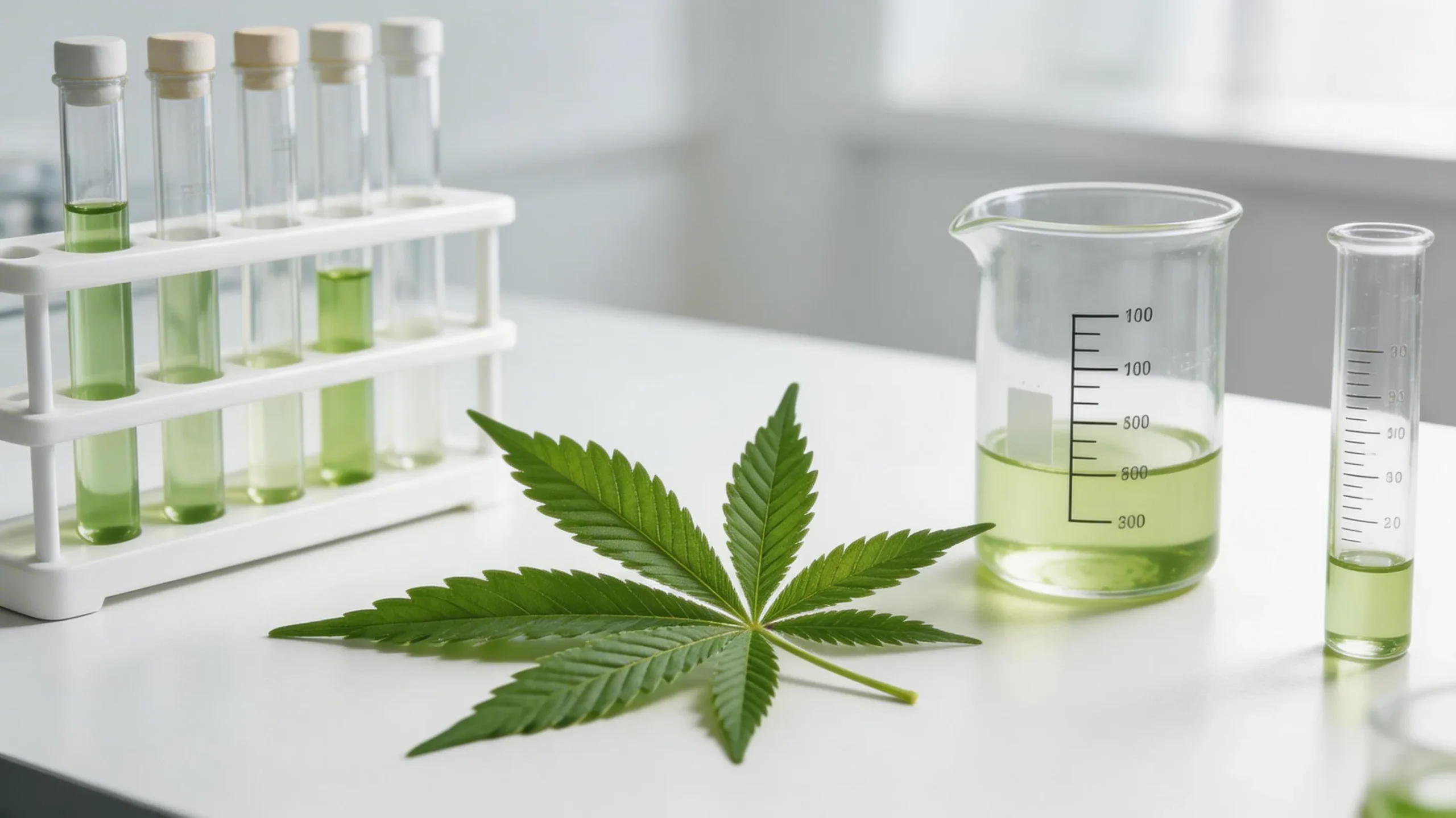
One of the most common sources of confusion in the hemp industry is the difference between Industrial Hemp vs Cannabis. Many people assume that hemp and cannabis are the same, but they are legally and chemically very different.
Understanding Industrial Hemp vs Cannabis is especially important for entrepreneurs, importers, and buyers exploring opportunities in the hemp industry. Different countries regulate these plants in different ways, and in places like the UAE, the distinction plays a key role in determining which products may be permitted.
What Is Industrial Hemp?
Industrial hemp is a variety of the cannabis plant grown specifically for industrial and commercial uses. Unlike marijuana, industrial hemp contains very low levels of THC, the compound responsible for the psychoactive effects of cannabis.
In most international regulations, industrial hemp contains less than 0.3% THC.
Industrial hemp is widely used in several industries, including:
- textiles and clothing
- construction materials
- biodegradable plastics
- paper products
- eco-friendly packaging
Because of its minimal THC content, industrial hemp is often regulated separately from cannabis in many countries.
What Is Cannabis?
Cannabis, often referred to as marijuana, is another variety of the same plant species but is cultivated for its higher THC content.
THC is the compound that produces the psychoactive or intoxicating effects associated with marijuana. Cannabis plants grown for recreational or medical purposes can contain significantly higher levels of THC compared to industrial hemp.
Products commonly associated with cannabis include:
- marijuana flower
- cannabis oils
- THC products
- cannabis edibles
- recreational cannabis products
Due to these psychoactive properties, cannabis is usually subject to stricter regulations worldwide.
The Key Differences Between Industrial Hemp vs Cannabis
Although both plants belong to the same species, the difference between Industrial Hemp vs Cannabis lies mainly in their chemical composition and intended use.
The main differences include:
THC Content
Industrial hemp contains very low THC levels (usually below 0.3%), while cannabis contains much higher THC levels.
Purpose of Cultivation
Industrial hemp is grown for industrial materials such as fiber, seeds, and raw materials. Cannabis is cultivated primarily for medicinal or recreational use.
Legal Status
Many countries allow industrial hemp for industrial applications while maintaining stricter laws for cannabis products.
Why the Difference Matters for Businesses
Understanding Industrial Hemp vs Cannabis is essential for businesses operating in the hemp sector.
Industrial hemp is widely used in industries focused on sustainability and manufacturing, while cannabis products may fall under strict narcotics regulations in many countries.
Entrepreneurs planning to work with hemp-based materials should ensure their products fall within the definition of industrial hemp and comply with local regulatory standards.
The Growing Global Hemp Industry
The global demand for sustainable materials has increased interest in industrial hemp. Many industries are now exploring hemp as a renewable alternative to traditional materials.
Applications of industrial hemp continue to expand across sectors such as:
- sustainable fashion
- green construction
- biodegradable packaging
- automotive composites
- eco-friendly consumer goods
Understanding Industrial Hemp vs Cannabis helps businesses identify opportunities within the hemp industry while staying compliant with regulations.
Final Thoughts
Although industrial hemp and cannabis come from the same plant family, their uses, chemical composition, and legal treatment are very different.
By understanding the distinction between Industrial Hemp vs Cannabis, entrepreneurs, buyers, and investors can make more informed decisions when exploring opportunities in the global hemp market.
As regulations evolve in different parts of the world, the industrial hemp sector is expected to continue growing, particularly in industries focused on sustainability and innovation.
Leave a Reply