
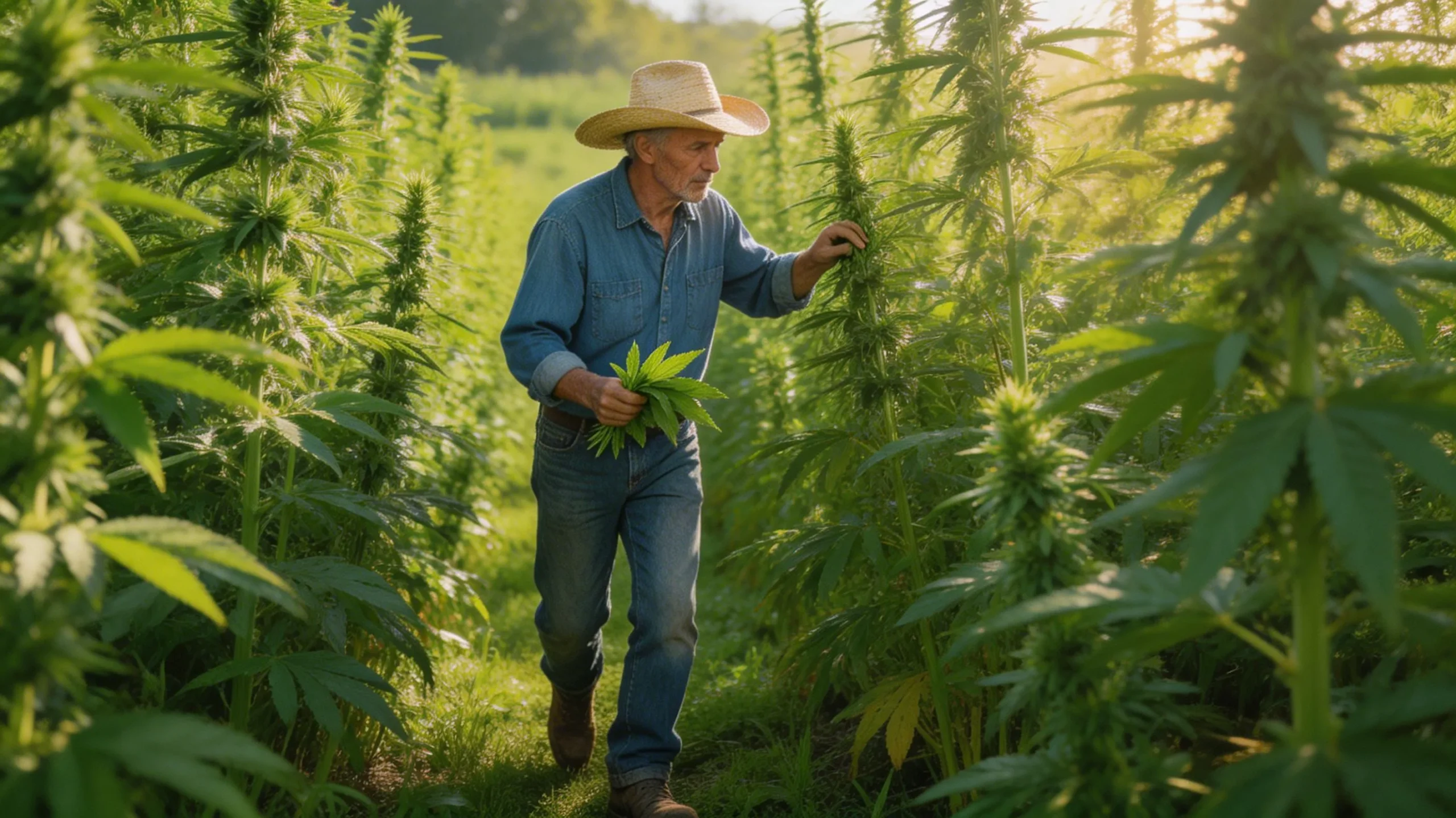
Understanding Hemp Laws in Dubai Today
For many residents in Dubai, the conversation around hemp has become more relevant after the introduction of new regulations in the UAE. Naturally, people want to understand the rules for hemp products Dubai residents and whether anything has changed for personal use.
While the UAE has introduced a structured legal framework through Federal Decree-Law No. 24 of 2025, it is important to understand that this law does not make hemp freely accessible to consumers. Instead, it defines how hemp can exist within a controlled and regulated system.
Hemp Is Regulated, Not Freely Available
One of the most important things residents need to understand is that hemp is still not part of an open consumer market in Dubai. The new law has created a pathway for industrial and pharmaceutical use, but it does not extend to everyday lifestyle or wellness consumption.
This means that even though hemp is legally recognized in certain contexts, its use is limited to licensed sectors. Residents cannot assume that global trends around hemp automatically apply within the UAE.
The Clear Line Between Fiber and Extracts
The rules for hemp products in Dubai are largely based on what the product contains. Hemp in its fiber form, which is used to make textiles and materials, is treated very differently from hemp-derived extracts.
Products like clothing, bags, and home textiles made from hemp fibers do not contain THC or cannabis compounds. Because of this, they are generally treated as standard material goods.
On the other hand, any product derived from hemp extracts, such as oils or consumables, falls under strict cannabis-related regulations and is not allowed.
What Remains Restricted for Residents
Despite the updated law, residents in Dubai are still not permitted to use hemp products that are linked to cannabis-derived compounds. This includes CBD-based products, THC-related items, and any form of ingestible or wellness product made from hemp extracts.
Even if such products are marketed as legal in other countries or labeled as low-THC, they do not fall within the acceptable use category in the UAE. The regulations remain strict, and enforcement is taken seriously.
Medical Use Exists but Is Not Consumer Access
The new legal framework does allow certain cannabinoid-based medicines, but this is often misunderstood. These are not products that residents can purchase freely.
Medical use is highly controlled and only possible through approved pharmaceutical channels. A licensed doctor must prescribe the medication, and it must be dispensed through authorized systems. This category is entirely separate from commercial hemp or wellness products.
The UAE’s Real Focus: Industry Over Retail
To truly understand the rules, it helps to look at the bigger picture. The UAE is not building a consumer hemp market. Instead, it is focusing on developing hemp within industrial and pharmaceutical sectors.
This includes areas like manufacturing, sustainable materials, and regulated medical applications. The system is designed for businesses and licensed entities, not for everyday consumer access.
What This Means for Daily Life in Dubai
For residents, this creates a very clear boundary. Hemp can exist in daily life only in the form of non-cannabis materials, such as textiles or fiber-based products.
Anything that crosses into the category of extracts, supplements, or wellness usage remains outside what is allowed. This distinction is essential for avoiding confusion and staying compliant with local laws.
Conclusion
Understanding the rules for hemp products Dubai residents requires looking beyond headlines and focusing on how the law actually works.
Hemp is legally recognized in the UAE, but only within controlled frameworks. Residents can interact with hemp in limited ways through fiber-based products, but cannabis-related hemp products remain restricted.
The UAE’s approach is clear: hemp is part of a regulated industrial future, not an open consumer market.
Leave a Reply