
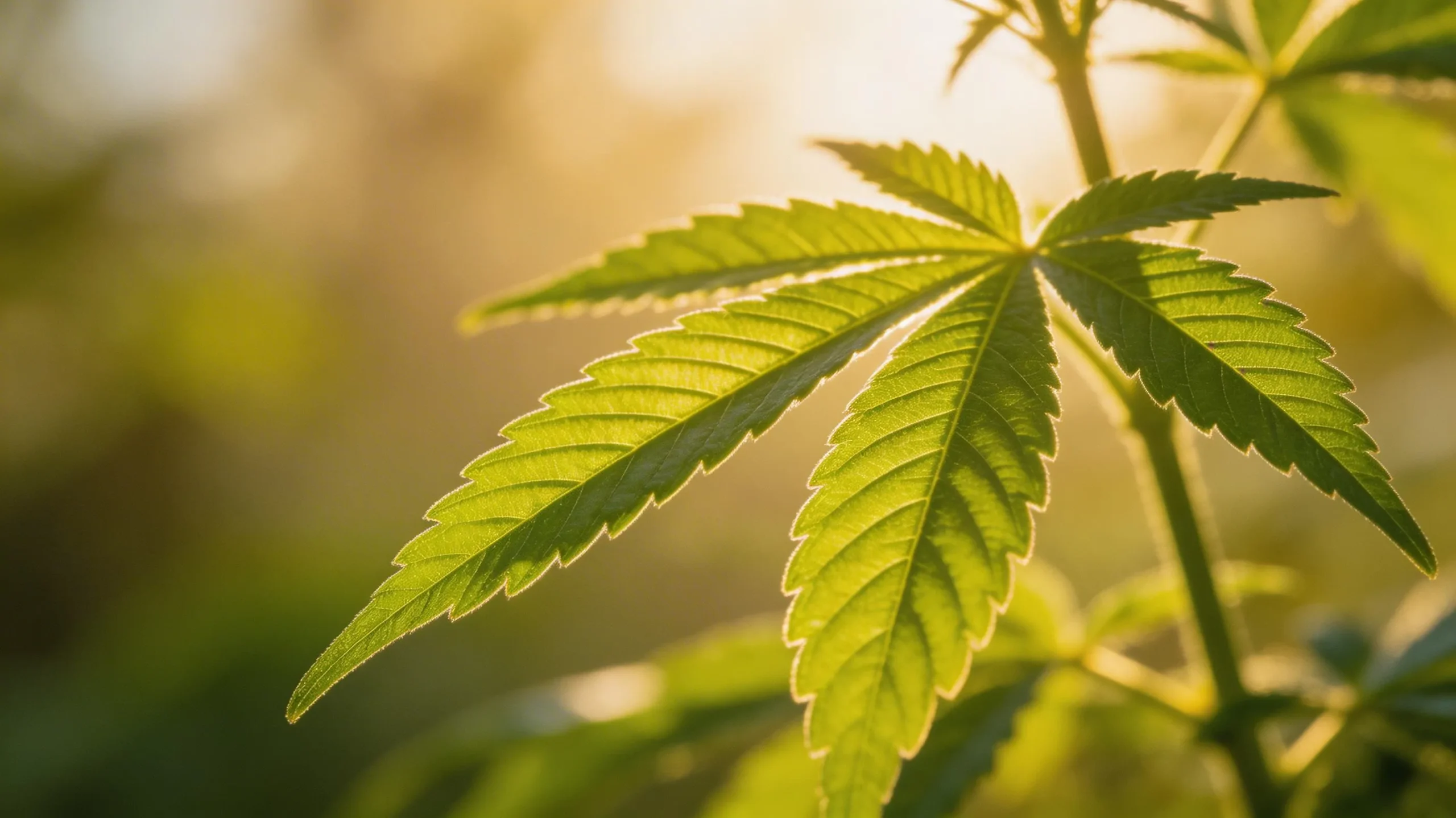
Why Hemp Is Gaining Global Attention
Over the last decade, hemp has become one of the fastest-growing plant-based industries worldwide. Countries across Europe and North America have expanded hemp-related sectors in areas such as textiles, cosmetics, construction materials, and sustainable manufacturing.
As these industries grow, attention has also shifted toward hemp demand in emerging markets. Developing economies are increasingly studying hemp as a versatile plant resource that could support several industries.
The global shift toward sustainable materials and renewable resources has contributed to rising interest in hemp.
Industrial Uses Driving Demand
One of the main reasons hemp demand is increasing in emerging markets is its wide range of industrial uses.
Hemp fibers can be used to produce textiles, ropes, insulation materials, and biodegradable packaging. Hemp seeds can be processed into plant-based oils used in cosmetics and manufacturing.
Because the plant can support multiple industries, hemp is often seen as a valuable raw material in developing economies looking to diversify their industrial sectors.
Sustainability and Environmental Considerations
Sustainability is another factor driving hemp demand.
Many countries are searching for renewable resources that can support industrial growth while reducing environmental impact. Hemp fibers and plant-based materials are frequently studied as alternatives to some synthetic or non-renewable materials.
This focus on environmentally responsible production is influencing how emerging markets evaluate hemp industries.
Manufacturing and Construction Opportunities
Manufacturing industries in emerging markets often look for affordable and versatile raw materials.
Hemp fibers are used internationally in composite materials, textiles, and packaging products. In construction, hemp-based materials such as hempcrete and natural insulation are being explored in sustainable building projects.
These applications demonstrate why hemp is considered an industrial crop with broad economic potential.
The Role of Global Trade
Emerging markets are closely connected to global trade networks. As international demand for sustainable materials grows, countries involved in manufacturing and exports are paying attention to hemp-based raw materials.
Textiles, packaging materials, and plant-based industrial products are all part of international supply chains that influence demand for hemp.
Because hemp supports multiple sectors, it often becomes part of discussions about future trade opportunities.
Challenges and Regulations
Despite growing interest, hemp industries in emerging markets must navigate regulatory frameworks.
Since hemp belongs to the cannabis plant family, governments often regulate its cultivation, production, and trade. Countries usually distinguish industrial hemp from cannabis based on THC levels.
Clear regulations are important for developing safe and compliant hemp industries.
Final Thoughts
The discussion around hemp demand in emerging markets reflects the broader global expansion of hemp-based industries.
From textiles and construction materials to cosmetics and packaging, hemp supports a wide range of industrial applications.
As emerging economies continue exploring sustainable resources and new manufacturing opportunities, hemp remains one of the plant-based materials attracting increasing global attention.
Leave a Reply