
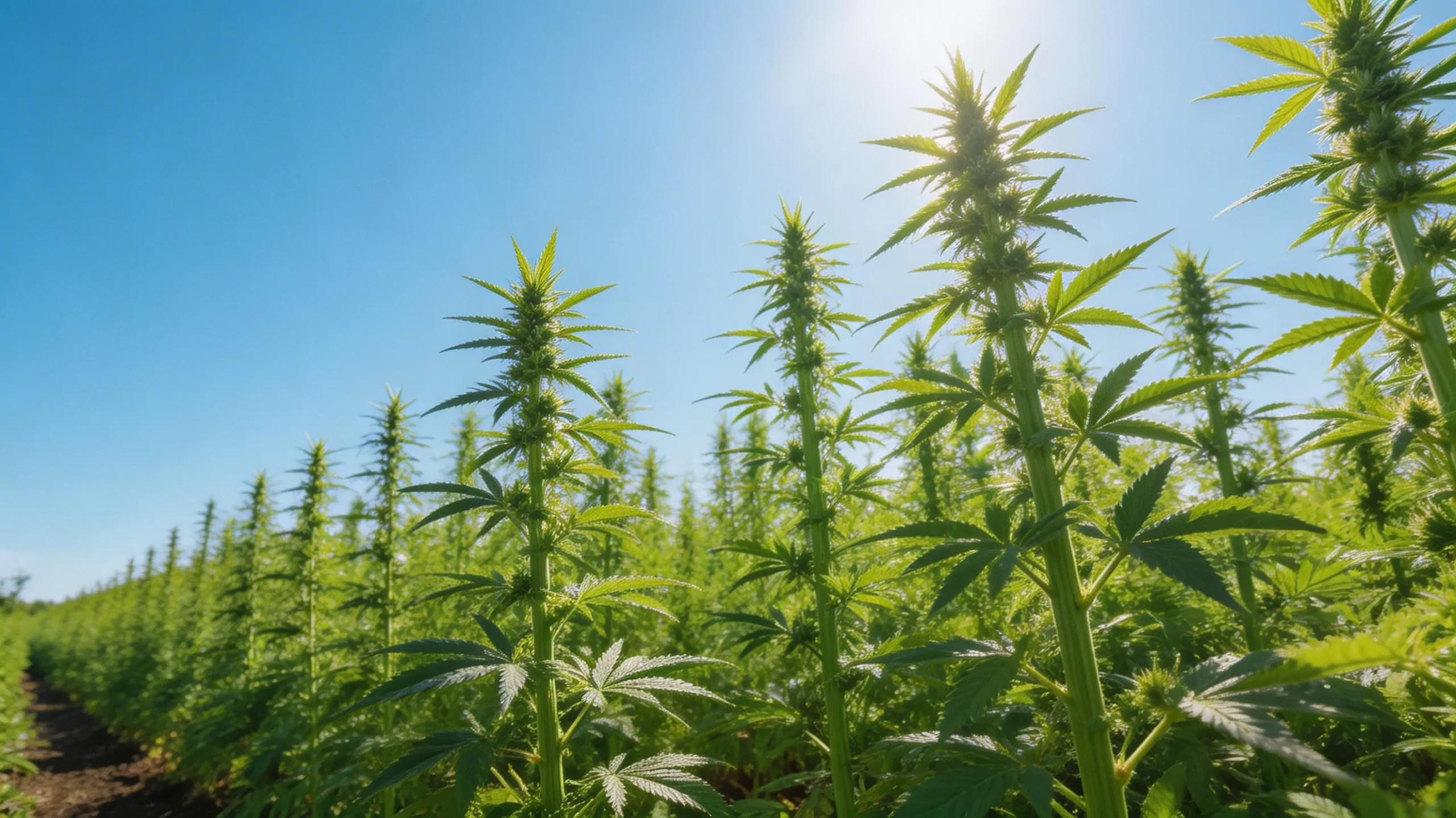
A Region Watching Global Hemp Growth
Over the past decade, the global hemp industry has expanded significantly. Countries across Europe, North America, and parts of Asia have developed industries around hemp-based materials used in textiles, cosmetics, construction, and manufacturing.
As these industries continue to grow, businesses and researchers are also examining the hemp market potential Middle East. The region’s strong focus on trade, innovation, and sustainable development makes it an interesting area for emerging industries.
Although regulations vary from country to country, the industrial potential of hemp has started to attract attention in several Middle Eastern markets.
Industrial Applications Driving Market Interest
One of the main reasons hemp is gaining attention is its versatility as an industrial resource.
Hemp fibers can be used in textiles, ropes, insulation materials, and industrial fabrics. Hemp seeds produce oils that are widely used in cosmetic and personal care products.
In addition, hemp plant materials are used in construction products such as hempcrete and natural insulation.
Because a single plant can support multiple industries, hemp is often viewed as a valuable raw material in global manufacturing.
Sustainability and Renewable Materials
Another factor influencing the hemp market potential in the Middle East is sustainability.
Many industries are searching for renewable resources that can reduce environmental impact. Hemp fibers and plant-based materials are frequently studied as alternatives to some synthetic or resource-intensive materials.
As governments and companies focus on sustainability initiatives, plant-based materials like hemp are becoming part of broader conversations about environmentally responsible production.
The Role of Regional Trade
The Middle East is strategically positioned between Europe, Asia, and Africa, making it a major hub for international trade.
Countries such as the United Arab Emirates serve as gateways connecting global markets. Businesses operating in the region often focus on industries that support international commerce and supply chains.
Because hemp materials are used in multiple industries worldwide, the region’s strong trade infrastructure makes it an important market to watch.
Regulatory Frameworks in the Region
Regulations related to hemp and cannabis vary widely across Middle Eastern countries.
Some countries maintain strict laws regarding cannabis plants, while others are exploring controlled frameworks for industrial hemp materials.
In the UAE, hemp activities are regulated under Federal Decree-Law No. 24 of 2025, which governs industrial and medical uses of hemp under government supervision.
This framework allows certain regulated activities involving industrial hemp while maintaining strict restrictions on recreational cannabis products.
Future Outlook
As industries continue exploring sustainable materials and renewable resources, hemp remains part of the global conversation around future manufacturing and innovation.
Textiles, biodegradable packaging, cosmetics, and construction materials are just a few industries that rely on hemp-based raw materials.
Because of these applications, the hemp market potential in the Middle East continues to attract interest from researchers, businesses, and investors studying emerging sectors.
Final Thoughts
The discussion around hemp market potential Middle East reflects the broader global expansion of industrial hemp industries.
From manufacturing and construction to cosmetics and sustainable materials, hemp supports several sectors that are growing worldwide.
As the region continues to invest in innovation and trade infrastructure, hemp remains a resource that businesses and industry observers are beginning to explore more closely.
Leave a Reply