
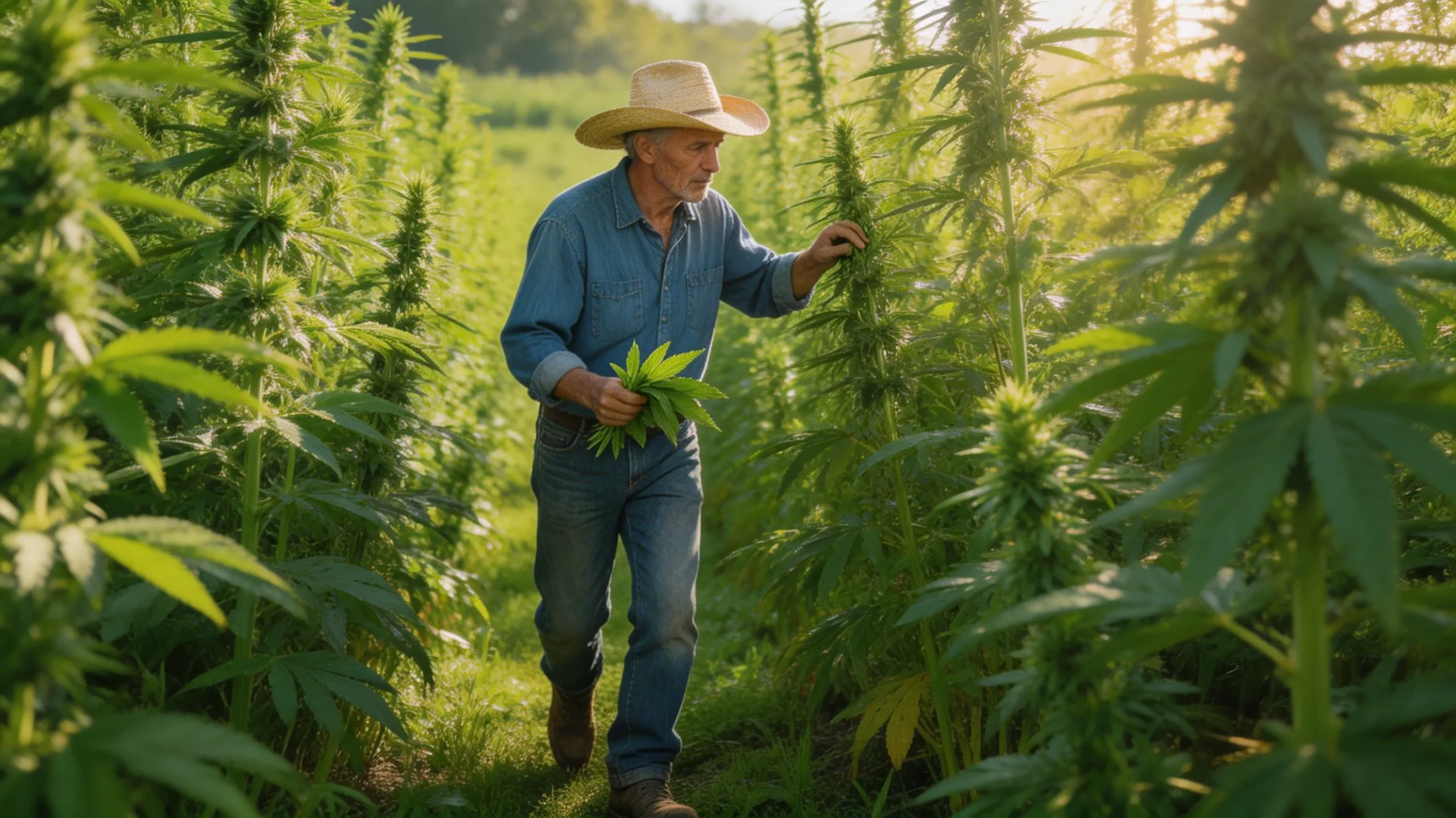
A Natural Resource for a Sustainable Future
Across the world, industries are searching for materials that reduce environmental impact. Governments, manufacturers, and researchers are exploring plant-based resources that can support sustainable production while minimizing waste and pollution.
One plant that frequently appears in these discussions is hemp. Known for its versatility and fast growth, hemp is often associated with environmentally friendly manufacturing and renewable materials.
As sustainability becomes a key priority in many sectors, interest in the hemp environmental benefits UAE has also begun to grow, particularly in conversations around sustainable materials and green innovation.
Fast-Growing Renewable Crop
One of the most recognized environmental advantages of hemp is its growth cycle.
Hemp plants grow relatively quickly and produce large amounts of biomass within a short time. Because of this productivity, hemp can generate significant quantities of fiber and plant material from a single crop cycle.
This makes hemp a renewable resource that can support industries requiring natural raw materials.
Sustainable Natural Fibers
Hemp plants produce strong natural fibers that are used in textiles, packaging materials, ropes, and industrial fabrics.
These fibers are durable and long-lasting, which means products made from hemp materials can often have longer lifespans compared to some other natural fibers.
Because hemp fibers are plant-based, they are frequently included in discussions about environmentally responsible manufacturing.
Hemp in Green Construction
Another environmental benefit of hemp comes from its use in construction materials.
Hemp plant materials can be processed into building products such as hempcrete and natural fiber insulation. These materials are often used in eco-friendly building projects around the world.
Construction industries exploring sustainable architecture sometimes consider hemp materials as alternatives to more resource-intensive materials.
Biodegradable Industrial Materials
Hemp fibers can also be used to create biodegradable products such as paper, packaging materials, and molded fiber components.
Unlike many synthetic materials that remain in the environment for long periods, plant-based materials derived from hemp can break down naturally over time.
This makes hemp attractive to industries working on sustainable packaging and biodegradable product development.
Environmental Innovation in the UAE
The UAE has increasingly focused on sustainability initiatives and environmentally responsible development. Green construction, renewable resources, and sustainable materials are often part of long-term economic and environmental strategies.
Because hemp produces fibers, plant oils, and biodegradable materials, the plant is sometimes discussed in connection with sustainable industrial resources.
In the UAE, hemp activities fall under Federal Decree-Law No. 24 of 2025, which regulates industrial and medical uses of hemp under strict supervision.
Industrial hemp used in regulated activities must contain extremely low levels of THC, typically below 0.3 percent, and recreational cannabis products remain illegal in the country.
Conclusion
Hemp environmental benefitsUAE are closely connected to the plant’s reputation as a renewable and versatile resource.
From strong natural fibers to biodegradable materials, hemp supports industries focused on sustainability and eco-friendly innovation.
As global industries continue exploring renewable resources, hemp remains one of the plant-based materials often discussed in connection with future sustainable development.
Leave a Reply