
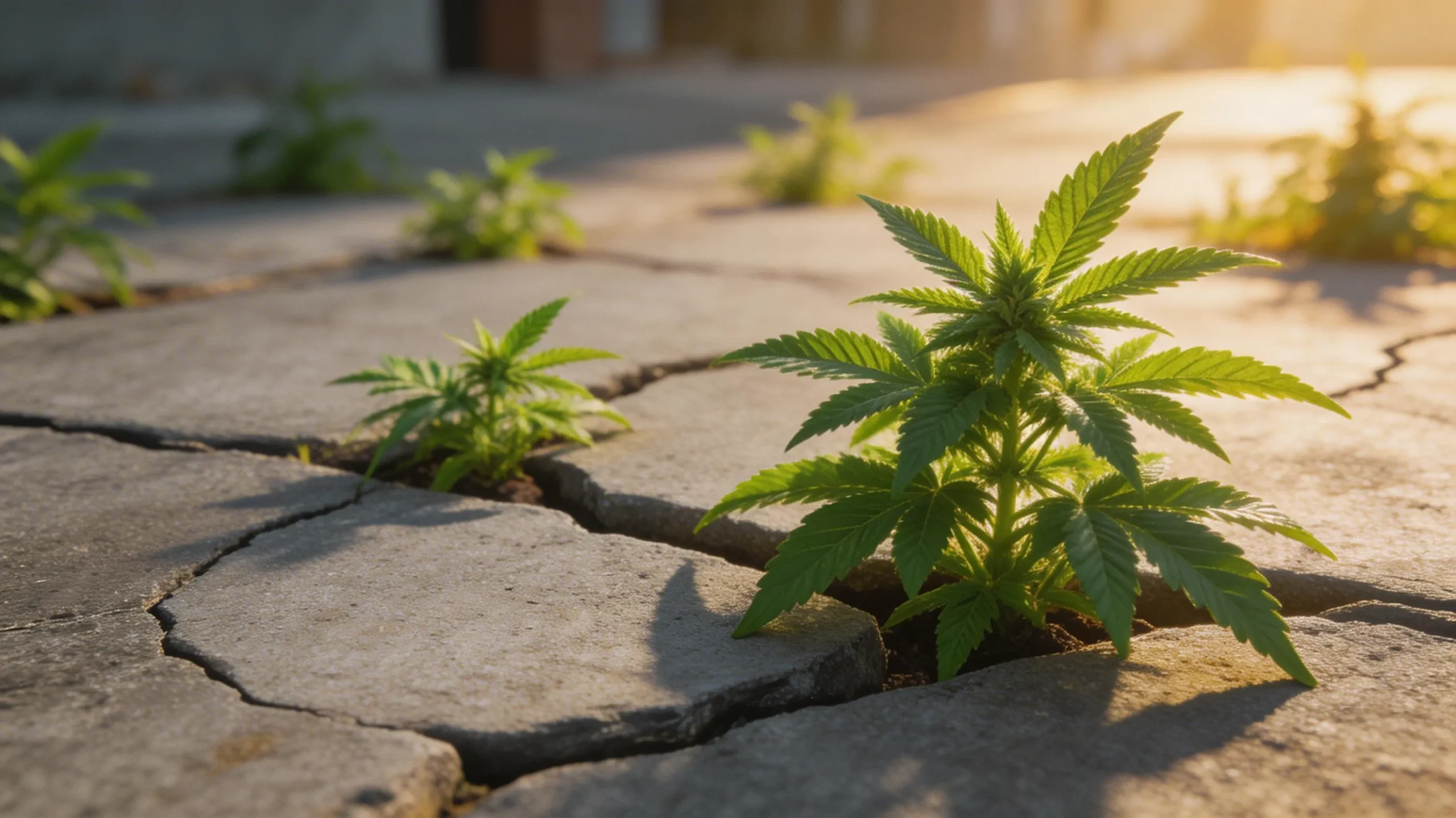
A Plant Used for Thousands of Years
Industrial hemp is one of the oldest cultivated plants in human history. For centuries, different civilizations have used hemp to produce rope, textiles, paper, and other everyday materials.
Today, hemp is gaining attention again as industries search for sustainable resources and environmentally friendly raw materials. Because of its versatility and fast growth, industrial hemp is now used in many sectors ranging from construction to cosmetics.
Understanding the benefits of industrial hemp helps explain why governments, researchers, and businesses continue exploring its potential.
A Highly Versatile Crop
One of the biggest benefits of industrial hemp is its versatility. Almost every part of the plant can be used.
The fibers from the stalk are used to produce textiles, ropes, and industrial materials. The seeds can be processed into oils and plant-based ingredients. Other parts of the plant may be used in manufacturing or research.
Because one plant can support several industries, hemp is often described as a multi-purpose industrial crop.
Environmentally Friendly
Industrial hemp is often associated with sustainable agriculture. The plant grows relatively quickly and can produce large amounts of biomass in a short time.
Hemp farming typically requires fewer pesticides compared to many other crops. The plant can also grow in different climates, making it suitable for various agricultural environments.
These qualities make hemp attractive to industries that are focused on reducing environmental impact.
Strong Natural Fibers
Another important benefit of industrial hemp is the strength of its fibers.
Hemp fibers are known for being durable and long-lasting. This is why hemp has historically been used to produce ropes, sails, and heavy-duty fabrics.
Today, hemp fibers are also used in textiles, upholstery materials, and composite manufacturing. Some industries combine hemp fibers with modern materials to create lightweight industrial products.
Applications in Construction and Manufacturing
Industrial hemp also supports several manufacturing industries.
In construction, hemp-based materials such as hempcrete and fiber insulation are used in sustainable building projects. In manufacturing, hemp fibers are used in composites and biodegradable materials.
These applications show how hemp can be used as an alternative to some traditional industrial materials
Renewable and Sustainable Resource
Because hemp grows quickly and can produce high yields, it is considered a renewable agricultural resource.
Many industries looking for alternatives to synthetic materials are exploring plant-based resources like hemp.
As sustainability becomes a major focus in manufacturing and construction, renewable crops such as hemp continue to gain attention.
A Plant With Industrial Potential
Industrial hemp is not only valuable as a crop but also as a raw material for innovation.
Researchers and manufacturers continue studying hemp to develop new applications in areas such as biodegradable plastics, plant-based textiles, and sustainable packaging.
These innovations highlight the growing role of hemp in modern industrial development.
Conclusion
The benefits of industrial hemp come from its versatility, sustainability, and strong natural fibers.
From textiles and construction materials to plant-based oils and industrial manufacturing, hemp supports a wide range of industries.
As companies and governments continue exploring sustainable resources, industrial hemp remains one of the most promising plants in the modern bio-based economy.
Leave a Reply