
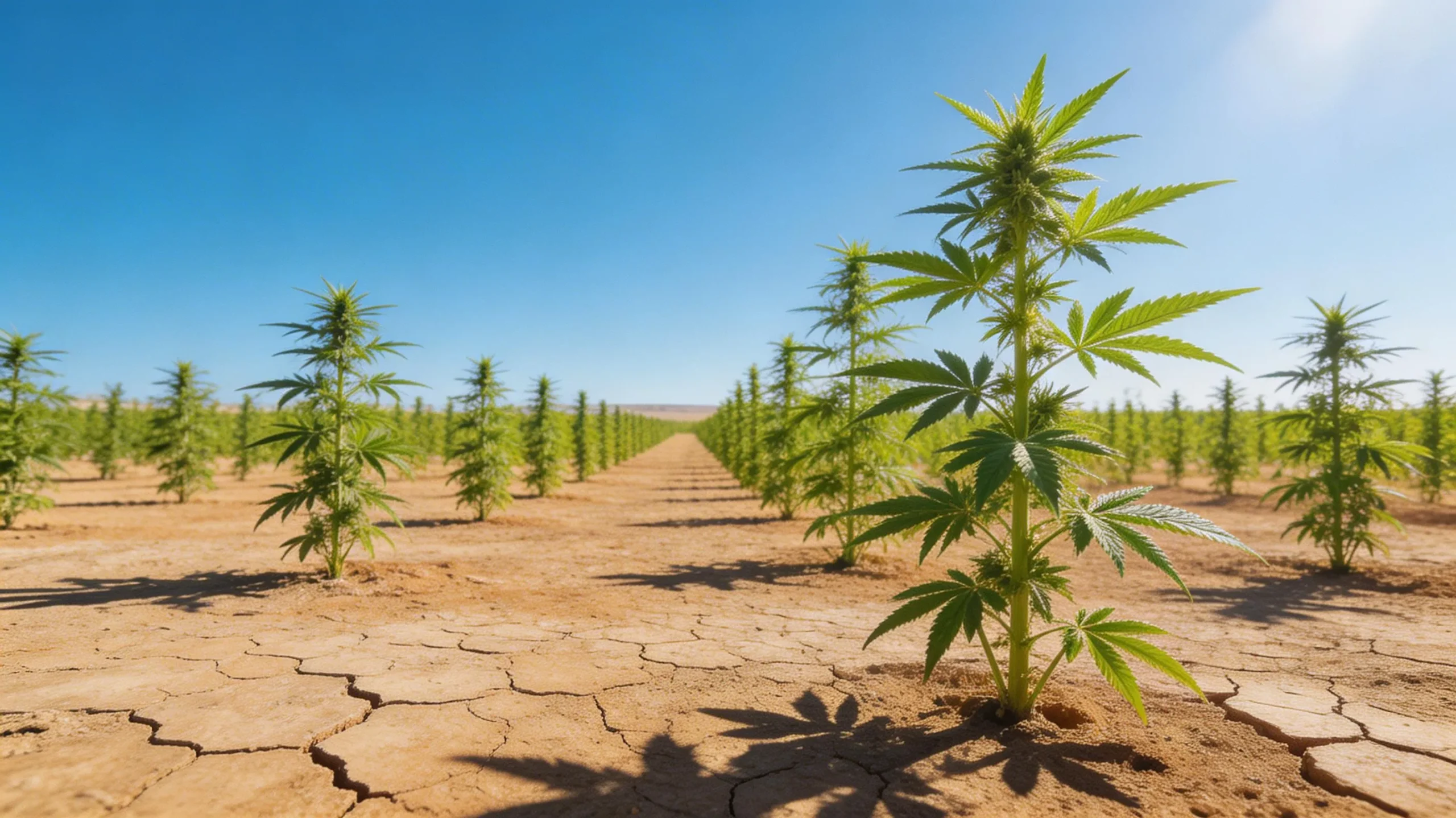
Understanding Hemp Trade
Hemp has become a globally traded industrial material. Countries that allow hemp cultivation or processing often export hemp fibers, seeds, and plant-based materials to international markets where they are used in manufacturing, textiles, and research.
As interest in industrial hemp continues to grow worldwide, some businesses are also exploring hemp export opportunities from the UAE. However, hemp trade in the UAE operates under strict regulations and government supervision.
Before discussing export possibilities, it is important to understand how hemp is treated within the country’s legal system.
The UAE’s Controlled Hemp Framework
The United Arab Emirates regulates hemp under Federal Decree-Law No. 24 of 2025, which focuses on industrial and medical uses of hemp.
The purpose of this framework is not to create consumer cannabis markets but to allow limited industrial activities and research involving hemp plants and hemp-derived materials.
Under this system, any business working with hemp must operate under official licenses and regulatory approvals. This includes activities such as cultivation, manufacturing, research, and potentially international trade.
Strict compliance is required at every stage of the supply chain.
THC Limits and Industrial Hemp
One of the most important requirements in hemp regulations is the control of THC levels.
THC is the compound responsible for the psychoactive effects of cannabis. For hemp to be classified as industrial hemp in many international standards, the THC content must remain below 0.3 percent.
Hemp materials used in regulated activities must comply with these limits and meet regulatory standards before being processed or traded.
This ensures that hemp used in industrial contexts remains distinct from recreational cannabis.
Exporting Industrial Hemp Materials
If hemp materials are processed within licensed facilities in the UAE, exporting them to other countries may be possible under regulatory oversight.
Such exports would likely involve industrial hemp materials rather than consumer cannabis products. Examples could include hemp fibers used in manufacturing, raw hemp plant materials for industrial use, or hemp-derived ingredients used in research and pharmaceutical development.
Export activities would typically require documentation, regulatory approvals, and compliance with both UAE laws and the import laws of the destination country.
This is common in international trade involving controlled agricultural materials.
Recreational Cannabis Products Cannot Be Exported
Although the UAE regulates industrial hemp under certain conditions, recreational cannabis products remain illegal.
Products such as THC gummies, cannabis flower, THC oils, THC edibles, cannabis vape cartridges, and similar items cannot be legally produced or exported from the UAE.
The country does not allow consumer cannabis markets, and any cannabis-related activities must remain within the legal boundaries defined by the regulatory framework.
Pharmaceutical and Research Exports
In some situations, hemp-derived compounds may be used in pharmaceutical research or the production of approved medicines.
If pharmaceutical cannabinoid products are manufactured under regulated systems, international trade may involve strict regulatory processes, licensing approvals, and medical compliance standards.
These activities are usually handled by pharmaceutical companies operating under government supervision.
Why Global Businesses Monitor the UAE
Even with strict regulations, the UAE is one of the most important global trade hubs. The country connects markets across the Middle East, Europe, Asia, and Africa.
Because of its advanced logistics infrastructure and international trade networks, regulatory changes related to industrial hemp often attract attention from global businesses.
Companies involved in sustainable materials, manufacturing, and pharmaceutical research closely monitor how hemp-related industries evolve in the region.
Final Thoughts
The topic of hemp export from the UAE is closely tied to the country’s regulated approach to hemp. While recreational cannabis products remain illegal, industrial hemp activities may operate within licensed and controlled systems.
If hemp materials are processed within approved facilities, international trade may involve industrial inputs or pharmaceutical ingredients under strict regulatory oversight.
For businesses exploring hemp exports, understanding both UAE regulations and international trade requirements is essential before entering this emerging sector.
Leave a Reply