
A New Industry Slowly Entering the UAE
Around the world, hemp has become one of the most talked-about plants in modern industry. From eco-friendly clothing to sustainable construction materials, hemp is being used in thousands of products.
Because of these possibilities, many businesses are now exploring the hemp industry in the UAE. The country is known for adopting new industries quickly, especially those connected to sustainability, advanced manufacturing, and pharmaceutical innovation.
But the UAE approaches hemp very differently from many Western markets.
The UAE’s Unique Approach to Hemp
Unlike countries that allow consumer cannabis products, the UAE has created a highly controlled system around hemp.
The government introduced regulations through Federal Decree-Law No. 24 of 2025, which focuses mainly on industrial and medical uses of hemp under strict supervision.
Instead of opening a retail cannabis market, the UAE framework is designed to support:
• industrial hemp materials
• pharmaceutical research
• licensed manufacturing
This means hemp in the UAE is treated more like an industrial raw material than a consumer lifestyle product.
Where Hemp Could Be Used
Globally, hemp is valued because almost every part of the plant can be used in manufacturing.
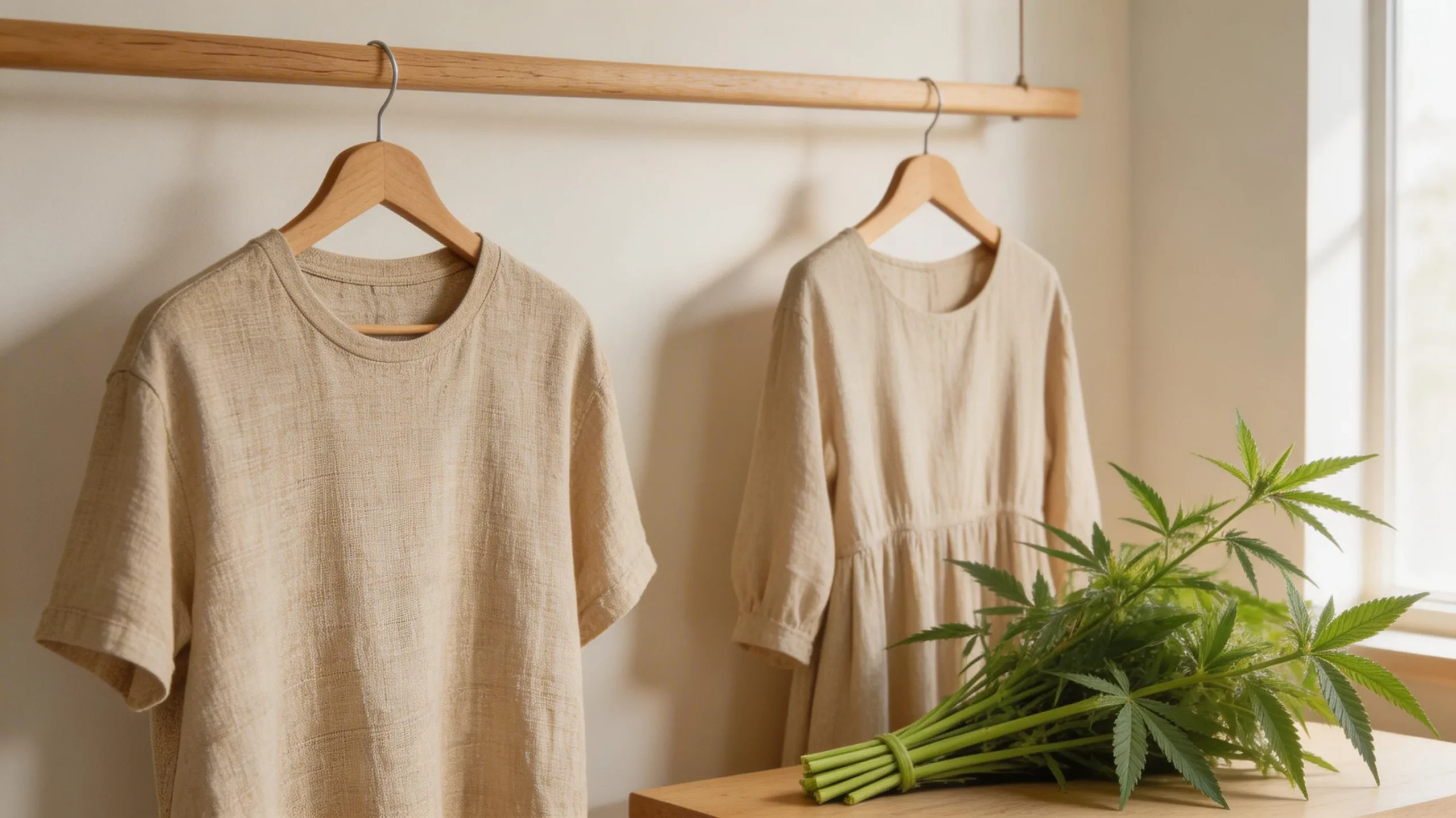
For example, hemp fibers are used to produce strong and breathable fabrics. Many sustainable fashion brands are now using hemp as an alternative to cotton.
Hemp can also be used in construction. Materials like hemp-based insulation and hempcrete are gaining attention in green building projects.
Another area attracting interest is pharmaceutical research. Certain compounds derived from cannabis plants are being studied internationally for medical treatments.
These industries explain why governments and researchers continue exploring the potential of hemp.
What the UAE Does NOT Allow
Even though the hemp industry is being explored, the UAE still maintains strict cannabis laws.
Recreational cannabis products are illegal. Products such as THC gummies, cannabis flower, THC oils, and cannabis vape cartridges cannot be sold or possessed.
There are also no retail cannabis wellness markets like those seen in some countries.
This is why the UAE hemp industry focuses mainly on regulated industrial and pharmaceutical activities rather than consumer cannabis products.
Medical Cannabinoid Medicines
Some cannabinoid-based medicines may exist within the UAE under controlled pharmaceutical systems.
These medicines are not retail products. They must be approved drugs prescribed by licensed doctors and dispensed through licensed pharmacies.
In certain situations, such medicines may also require government approval for importation.
This system ensures that any medical cannabinoid use remains within the country’s regulated healthcare framework.
Why Global Businesses Are Paying Attention
The UAE is known as a global trade hub connecting Asia, Europe, and Africa. Because of its strong logistics infrastructure and advanced manufacturing sectors, many international companies monitor regulatory changes closely.
If industrial hemp continues to develop under the UAE’s regulatory system, it could eventually support sectors such as sustainable materials, pharmaceutical development, and industrial manufacturing.
However, the industry is still developing, and strict compliance with regulations remains essential.
Final Thoughts
The hemp industry in the UAE is still in an early stage, but it represents an interesting shift in how the country approaches hemp.
Rather than opening recreational cannabis markets, the UAE has chosen a controlled model focused on industrial applications and pharmaceutical research.
For businesses, investors, and researchers, understanding this regulatory approach is key to exploring opportunities in the UAE hemp sector.
Leave a Reply